
Othello: Characters
Othello character analysis for all 8 main characters — Othello, Iago, Desdemona, Emilia, Cassio, Roderigo, Brabantio and Bianca. Each profile explores the character's psychology, motivation, and tragic flaw, supported throughout by a modern verse translation and key quotes.
A complete character study guide and revision resource for GCSE, A-Level, AP English, IB, and undergraduate Shakespeare — equally useful to teachers and actors. Select a character below to begin.
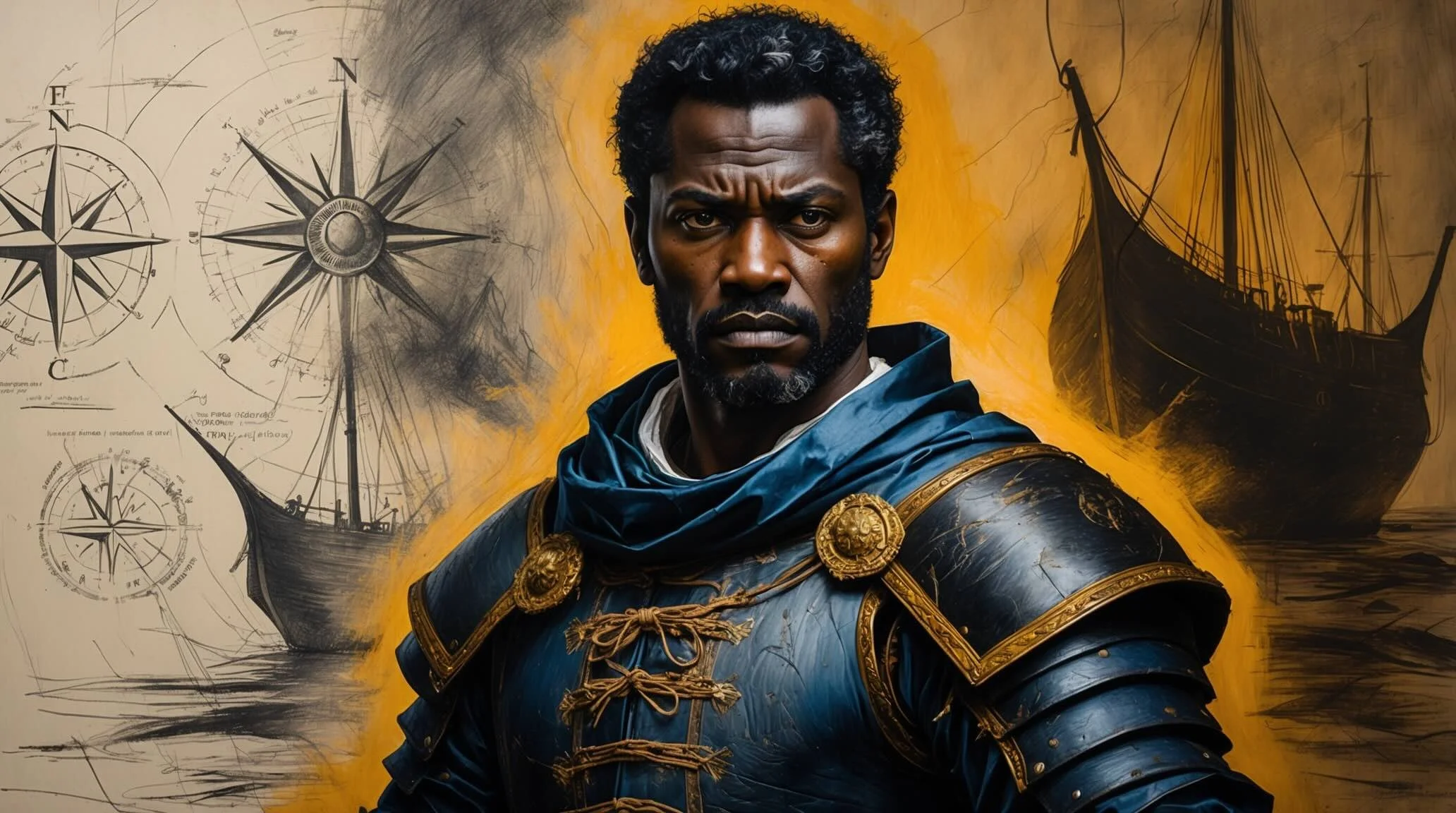
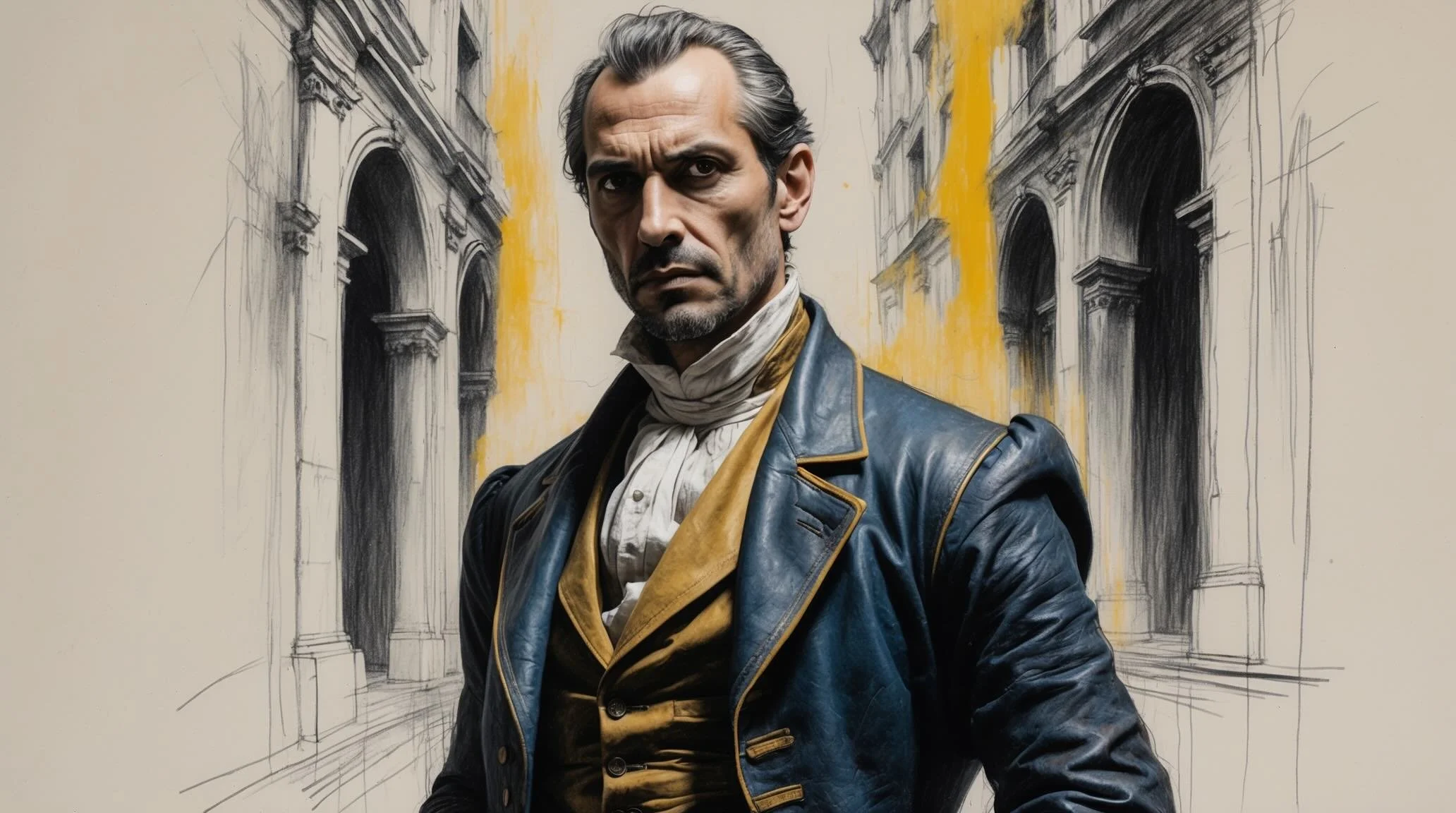
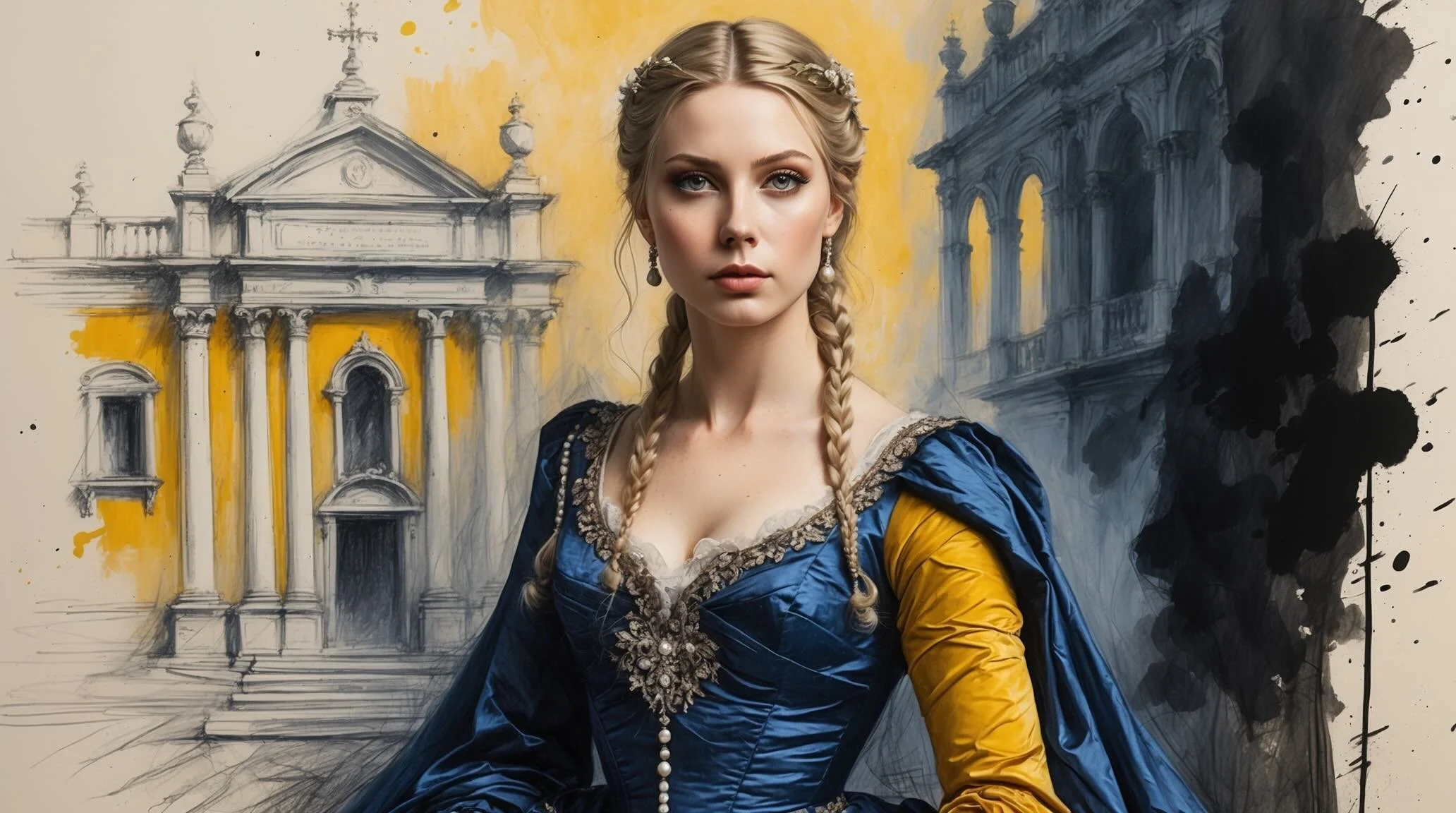
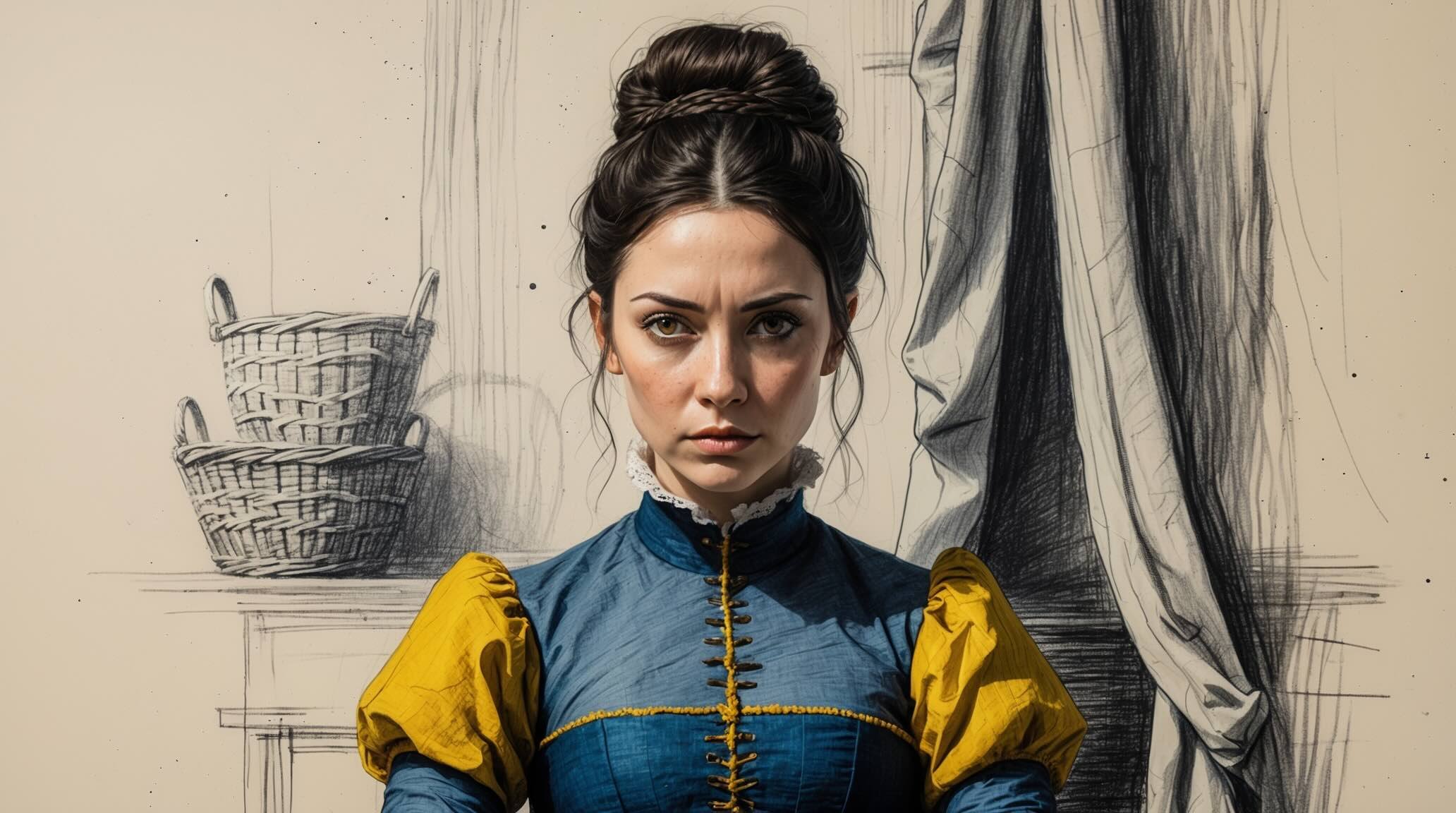
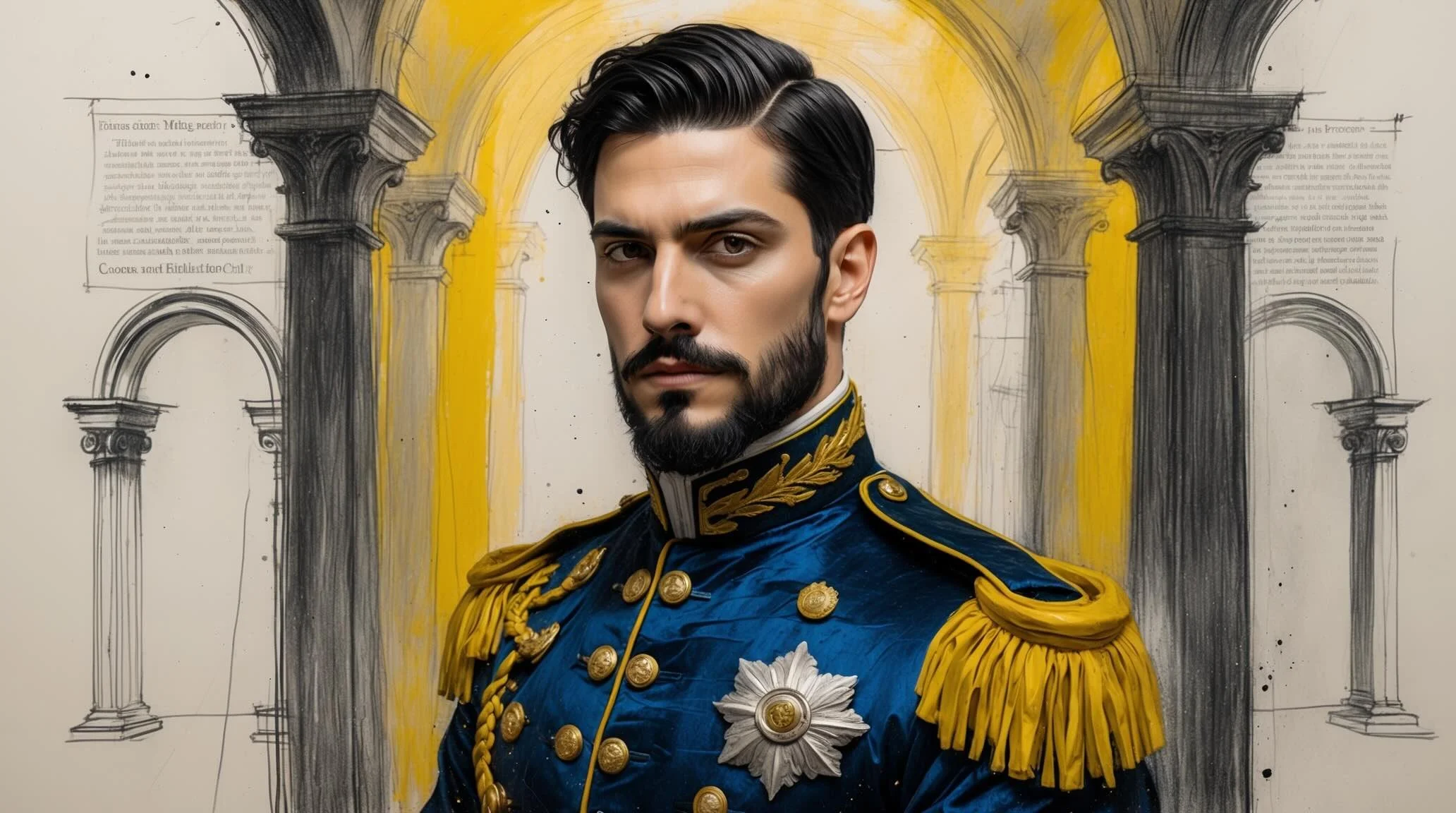
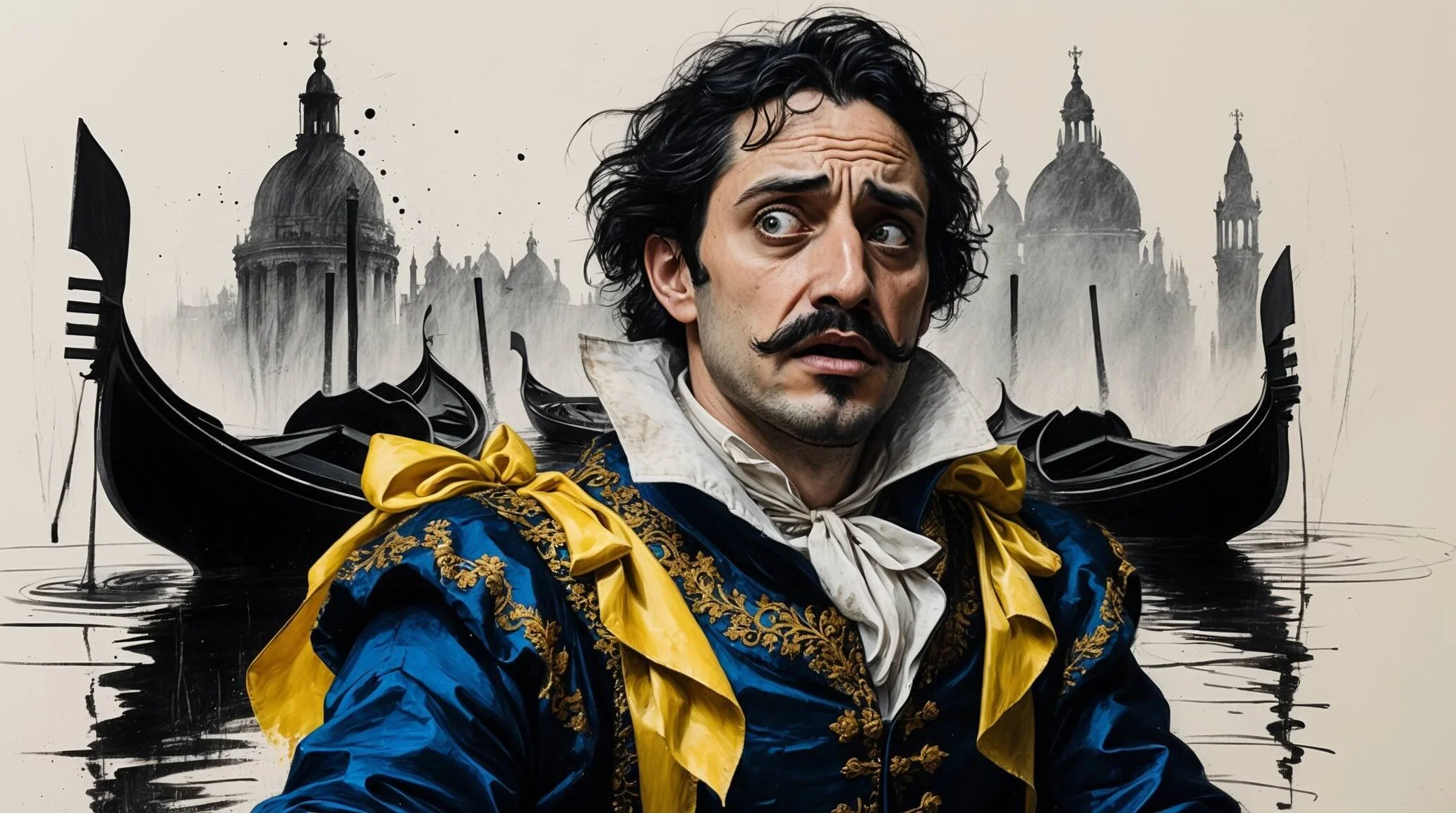
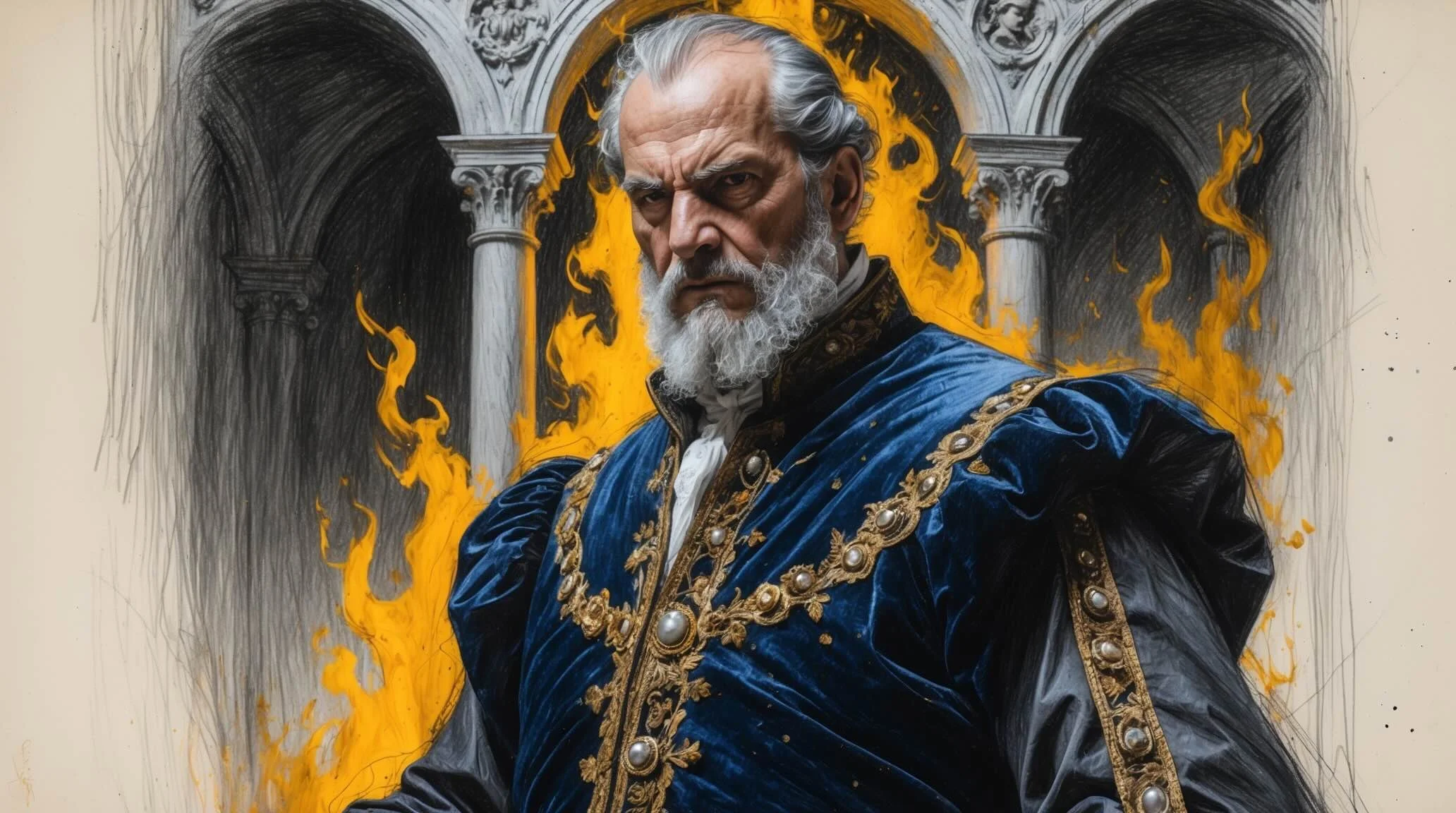
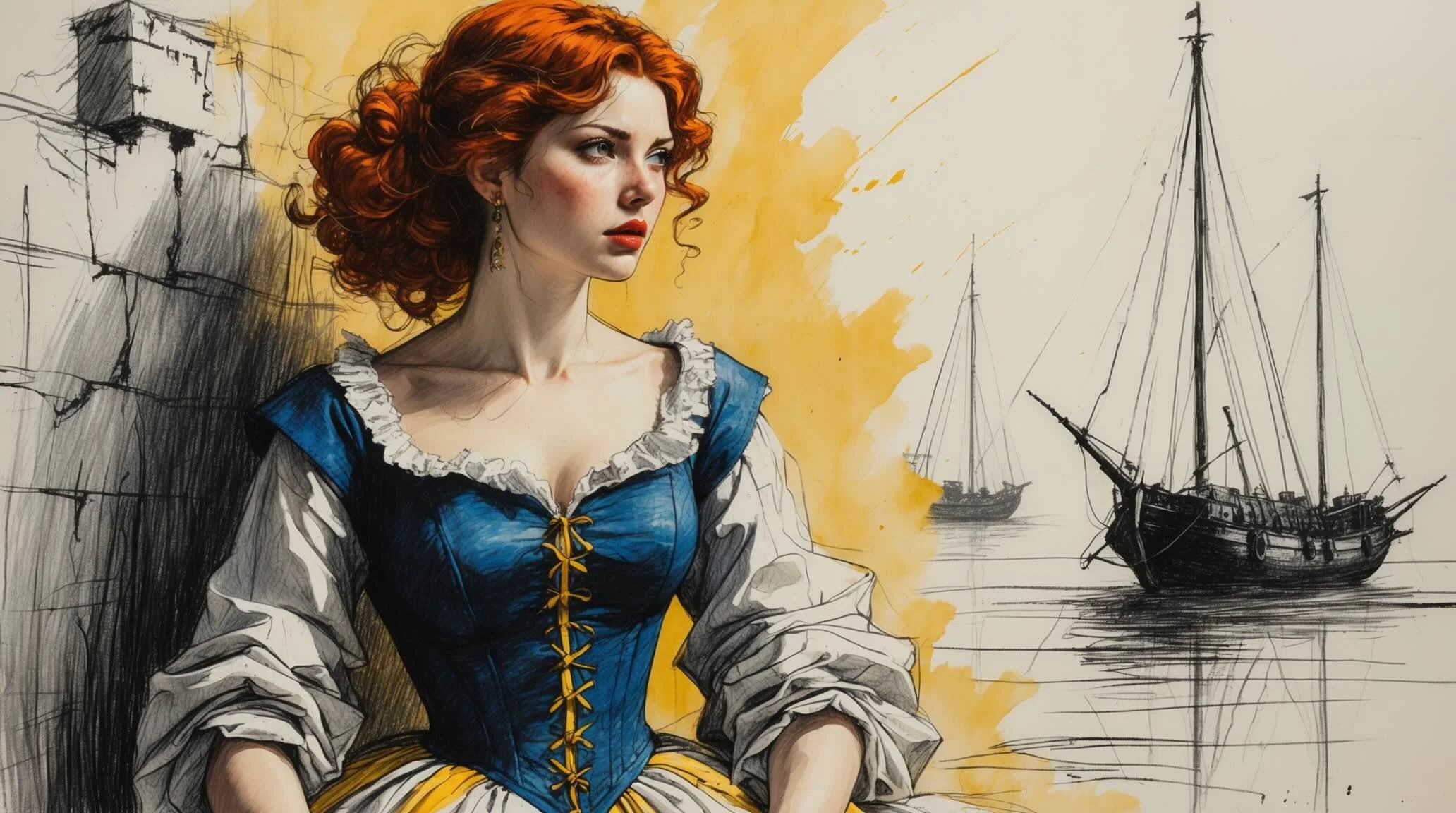
Supporting Cast
Beyond the eight figures who carry the main action, Othello is populated by the Venetian Senate that sanctions Othello's command, the Cyprus garrison he assumes from Montano, and the household figures whose ordinary daily life is steadily eroded by the tragedy. The wider cast is grouped below by location and function within the play's two-city geography — Venice in Act 1, Cyprus in Acts 2–5.
Venice
The Duke of Venice
The Doge who presides over the emergency Senate session in 1.3. His ruling on Othello and Desdemona's marriage — initially advising Brabantio to "find a more safer voice on your part," then granting legitimacy in light of Othello's military service — is one of the play's most precise pieces of writing on how the Venetian state subordinates personal ethics to strategic necessity.
The First Senator
The named senator who in 1.3 reads the Ottoman fleet's Rhodes report as a feint — "'Tis a pageant / To keep us in false gaze" — and is proved right by the Messenger's correction moments later. His patient interpretive scepticism is the play's clearest portrait of how the Venetian state ideally reads evidence under pressure.
The Second Senator
The First Senator's counterpart in the 1.3 emergency session, briefer and largely corroborative. His reports on fleet numbers and his questions to the news-bringers help establish the strategic urgency that justifies despatching Othello to Cyprus over Brabantio's objections.
Lodovico
Desdemona's kinsman and the Senate's official envoy to Cyprus, who arrives in 4.1 bearing the letter that recalls Othello and appoints Cassio in his place. He witnesses Othello strike Desdemona ("Is this the noble Moor whom our full Senate / Call all in all sufficient?"), survives the catastrophe at 5.2, and inherits Othello's worldly goods — the legal mechanism by which the Venetian state takes its possession back.
Gratiano
Brabantio's brother and Desdemona's uncle, who arrives in Cyprus in 5.1 alongside Lodovico's official mission. His report that Brabantio died of grief at the news of Desdemona's marriage gives the play its only direct evidence that the father's repudiation of his daughter did not, finally, hold.
The Cyprus Garrison
Montano
Governor of Cyprus before Othello's arrival, present in 2.1 to discuss the tempest, severely wounded by Cassio during the drunken brawl in 2.3, and present at the play's closing tableau in 5.2. His evolution across the play — from welcoming the Venetian commander to standing as one of the witnesses at the catastrophe — is the play's clearest portrait of how a colonial command structure builds and unravels.
The Gentlemen of Cyprus
The First, Second, and Third Gentlemen of 2.1 who watch the storm with Montano and report the arrival of the various Venetian ships. Their nervous discussion — "Methinks the wind hath spoke aloud at land" — establishes Cyprus as the play's geographic front line; the audience watches from the cliffs alongside them.
The Herald
The figure in 2.2 who proclaims Othello's celebration order — the public feasting that frames the drunken brawl scene to follow. His brief proclamation establishes that the play's catastrophe will unfold during a state-sanctioned moment of release.
Othello's Household
The Clown
The household servant in 3.1 and 3.4, whose punning exchanges with Cassio about the musicians and with Desdemona about Cassio's whereabouts give the play its only sustained comic register. His role is short but structurally pointed: each appearance precedes a scene of accelerating tragedy.
The Musicians
The wind-instrument players Cassio hires in 3.1 to perform outside Othello's chamber as a gesture of contrition. The Clown dismisses them at Othello's request — "the General so likes your music, that he desires you, for love's sake, to make no more noise with it" — one of the play's small pieces of writing on how Othello's earlier openness to civilian pleasure is being eroded.
Others
The Sailor
The seaman who brings the first news to the Venetian Senate in 1.3, reporting that the Ottoman fleet appears headed to Rhodes. The First Senator immediately reads the report as a feint, and his interpretation is vindicated within minutes. The play's first dramatised scene of reading evidence correctly under pressure — the structural foil to everything Iago will later achieve.
The Messenger
The figure who arrives in 1.3 immediately after the Sailor, confirming that the Ottoman fleet has reversed course toward Cyprus. The Senate's accurate scepticism about the Rhodes feint is the play's structural preparation for the audience's encounter with Iago's far more sustained campaign of false intelligence.
Brabantio's Servant
The unnamed household servant who answers the gate when Iago and Roderigo wake Brabantio in 1.1. His brief presence establishes that the play's catastrophe begins with a literal middle-of-the-night intrusion into a Venetian gentleman's house — the first of many domestic boundaries Iago will violate.
Officers and Attendants
The various unnamed figures who carry torches, summon characters, witness scenes, and provide the procedural framework throughout: Brabantio's officers in 1.1 and 1.2, the Duke's officers in 1.3, Othello's attendants on Cyprus, and the guards present at the play's final tableau. Each fulfils function rather than character.
Frequently asked questions about the characters in Othello
Who are the main characters in Othello?
The play has eight significant figures. Othello is the Moorish general in the service of Venice and the play's tragic hero. Desdemona is his wife, the daughter of the Venetian senator Brabantio, and the play's tragic centre. Iago is Othello's ensign and the play's villain. He speaks more lines than any other character. Emilia is Iago's wife and Desdemona's waiting-woman.
Cassio is Othello's lieutenant — the man Iago believes should have had his job. Roderigo is a wealthy Venetian gentleman, a rejected suitor for Desdemona, and the first and longest of Iago's dupes. Brabantio is Desdemona's father and a Venetian senator. Bianca is a Cyprus woman in love with Cassio.
The four major figures — Othello, Iago, Desdemona, and Emilia — carry most of the play's verse. The four minor figures provide the parts through which Iago's plot works.
Who is the protagonist of Othello?
Othello is the play's protagonist by every traditional measure. He is the title character. He is the tragic hero. His suffering and death structure the play. And of all Shakespeare's tragic heroes, he is the one Aristotle's definition of tragedy fits best.
The complication is that Iago has more lines than Othello. By some counts, he is the largest single role in any Shakespearean tragedy after Hamlet. And the play's plot is, mechanically, Iago's plot rather than Othello's.
Harold Bloom's contrarian formulation captures this doubleness: "It is Othello's tragedy, but Iago's play." The protagonist suffers. The antagonist drives. Both readings are correct, and the tension between them is one of the things that makes the play harder to categorise than it first appears.
Why does Iago have so much more stage time than Othello?
Iago's larger line count is one of the play's most-discussed features.
Several explanations work together. First, Iago is the plot-maker — he engineers every major event in the play, and the play needs to spend time with him to show how the engineering works.
Second, his soliloquies are how the audience is kept ahead of the other characters. We see his plans before they are executed, which generates the dramatic irony the rest of the play depends on.
Third, the choice is itself thematic. Othello is the man being acted upon. Iago is the man acting. The imbalance of stage time mirrors the imbalance of who has the power.
Some critics, most notably Harold Bloom, have read this as evidence that the play is "Iago's" — that the centre of dramatic gravity has shifted from the tragic hero to the villain. Others read it as Shakespeare giving the audience the access it needs to understand how a man like Othello could be undone so quickly.
Both readings hold.
What roles do the minor characters play in Othello?
The minor characters in Othello carry an unusually heavy load for a Shakespearean tragedy.
Roderigo is the financial engine of Iago's plot. He is the dupe whose money pays for everything from the opening scene to the brawl in Cyprus.
Brabantio supplies the racial vocabulary the play will use. He also plants, in his parting warning, the seed of doubt Iago will later harvest in the temptation scene.
Bianca is the unwitting prop in the eavesdropping scene of Act 4, Scene 1 — the woman whose laughter Othello mistakes for laughter about Desdemona.
Each of these figures contributes a single irreplaceable piece to the catastrophe. Each is treated by the play with the dignity of a full minor character rather than as a disposable function. Their analyses, taken together, show how the play's tragedy is built from small parts.
How are the characters in Othello connected to each other?
The play's relationships are organised around two marriages and a hierarchy.
The two marriages are Othello's to Desdemona (new, public, contested) and Iago's to Emilia (long-standing, private, mutually suspicious).
The hierarchy is military. Othello commands. Cassio is his lieutenant. Iago is his ensign. The professional rivalry between Cassio and Iago over the lieutenancy is the play's stated trigger.
Cutting across both are the other relationships. Brabantio is Desdemona's father. Roderigo is her rejected suitor. Bianca is Cassio's mistress. Emilia is Desdemona's waiting-woman.
Iago's plot succeeds partly because he understands every one of these connections better than the people inside them do. He reads the marriages, the rivalries, and the loyalties more accurately than any other character. And he uses the gaps between them as the levers of his manipulation.
Who survives the play's catastrophe?
Three of the play's eight named characters are dead by the final curtain.
Desdemona is smothered by Othello. Emilia is stabbed by Iago for exposing him. And Othello stabs himself once he understands what he has done.
Roderigo is killed earlier in Act 5 by Iago, in the dark of a Cyprus street. Brabantio has died offstage between acts, of grief over his daughter's marriage.
Iago survives, wounded, and is led off to be tortured. Cassio survives, wounded, and is named the new governor of Cyprus — one of the play's quietest ironies. The lieutenancy was Iago's stated original grievance, and Cassio ends the play in a position even higher than the one Iago coveted.
Bianca, last seen being arrested in 5.1 on Iago's false accusation, is presumed to survive.
The truth-tellers are dead. The man who built the lies is led off to be tortured. That is the play's final reckoning.
How does the Othello character set compare to Shakespeare's other tragedies?
Othello has fewer named characters than any of Shakespeare's other major tragedies. Far fewer than Hamlet, King Lear, or Antony and Cleopatra. The smallness of its cast is part of its claustrophobic intensity.
Where Hamlet shows us a court, Lear a kingdom, and Macbeth a country, Othello shows us a marriage and a garrison. There is no subplot in the formal sense. Every scene contributes directly to the central catastrophe.
The result is a tragedy that runs at unusually high dramatic pressure. Each character carries a heavier load. Each relationship is more closely tied to the central one.
The consequences of any single misjudgement — Emilia's silence about the handkerchief, Othello's haste to dismiss Cassio, Brabantio's parting warning — are felt by everyone on stage.
Bradley called the play "the most painfully exciting and the most terrible" of the tragedies. The smallness of its cast is one of the reasons.