HomePlaysHenry V → Themes

Henry V: Themes

Henry V themes analysis for all 7 major themes — kingship and leadership, war and violence, patriotism and nationalism, class and brotherhood, language and power, religion and morality, and appearance vs reality. Each guide examines how Shakespeare develops the theme across the play, supported by close reading, key quotes, and modern verse translation. A complete themes study guide and revision resource for GCSE, A-Level, AP English, IB, and undergraduate Shakespeare. Ideal for essay planning, exam preparation, and class discussion. Select a theme below to begin.
James Anthony James Anthony

Kingship and Leadership

The making of a king, the weight of ceremony, and a promise of brotherhood that lasts exactly one day.
Read More
James Anthony James Anthony

War and Violence

A threat at Harfleur, a victory at Agincourt, and a ruined garden nobody in the play can put back.
Read More
James Anthony James Anthony

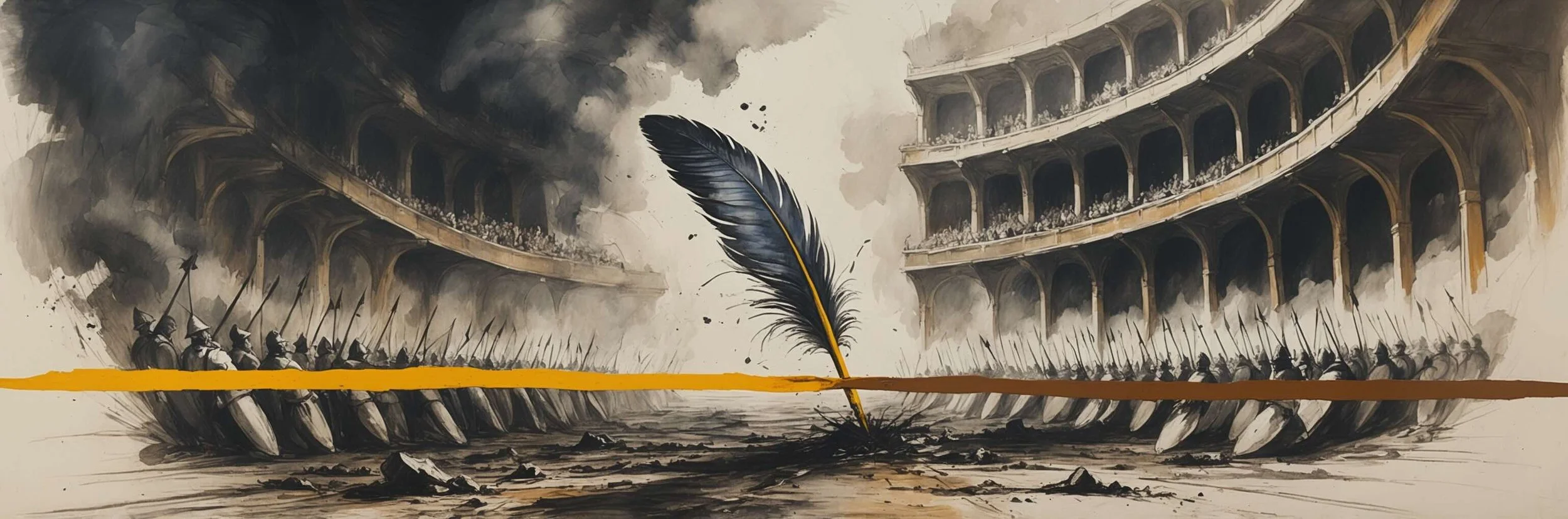
Class and Brotherhood

A band of brothers promised on the field, and a glove full of crowns handed over in the morning.
Read More
James Anthony James Anthony

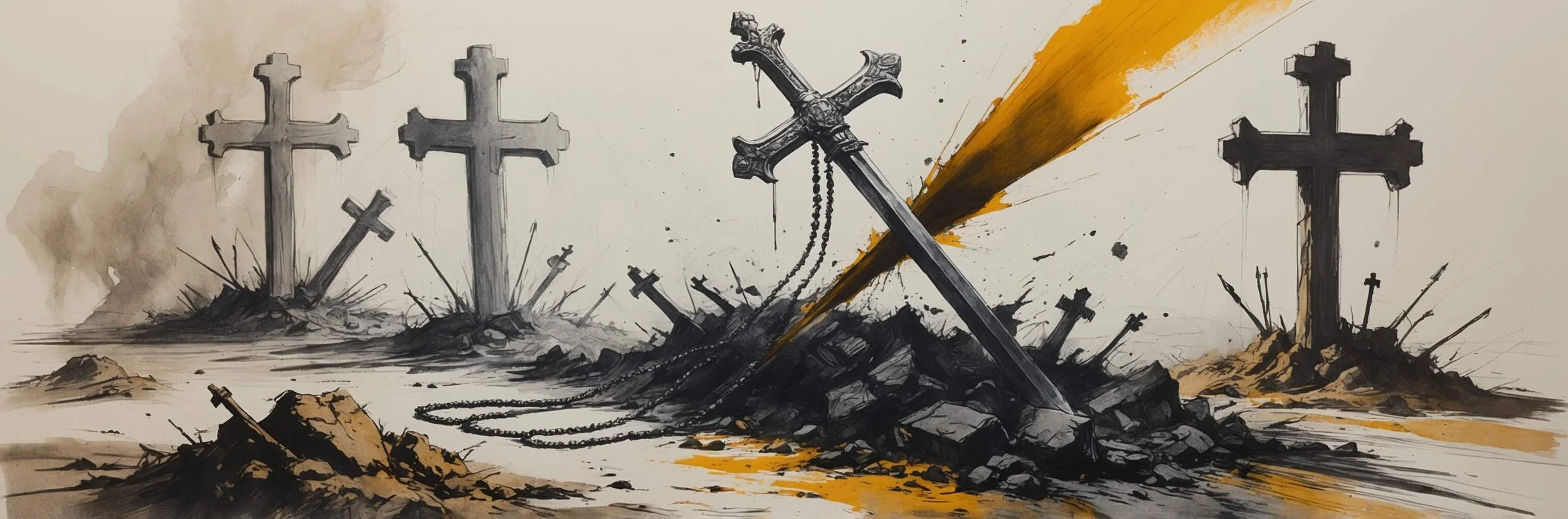
Language and Power

A war started by an argument, an army raised by a speech, and a country taken in a language lesson.
Read More
James Anthony James Anthony

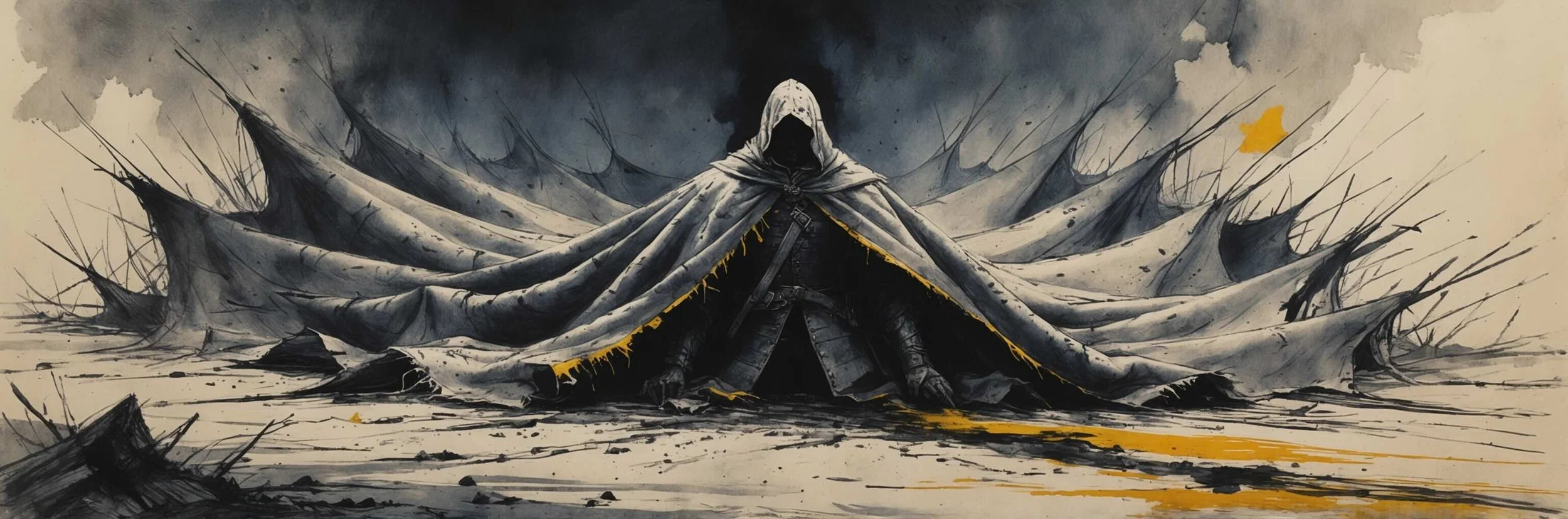
Religion and Morality

A bishop who takes the sin, a friend hanged for a church plate, and a victory handed straight to God.
Read More
James Anthony James Anthony

Appearance vs Reality

A Chorus that describes a war the scenes never show, and a king who sees through ceremony and uses it anyway.

Read More

Henry V Themes — Frequently Asked Questions

What are the main themes in Henry V?
Henry V has seven major themes, and they interlock around one question: what a victory costs. Kingship and leadership studies the making of a king — the speeches, the ceremony, and the man underneath them. War and violence follows what the campaign actually does, from the threat at Harfleur to the killing of the prisoners. Patriotism and nationalism watches a nation being talked into existence — and four nations struggling to share one army. Class and brotherhood tests the promise of "we band of brothers" against who actually bleeds and who gets named. Language and power tracks how words start the war, raise the army and take the bride. Religion and morality follows the guilt for the war as it is passed from hand to hand and never kept. And appearance vs reality measures the distance between the play the Chorus describes and the scenes the stage actually shows. Each guide analyses the theme scene by scene, with key quotes, modern verse translation and study questions.
How does Shakespeare present kingship and leadership in Henry V?
As a job that consumes the man who holds it. Henry is Shakespeare's most effective king — the breach speech, Saint Crispin's Day and the wooing scene are all leadership performed at the highest level — and the play keeps showing the performance being assembled. The night before Agincourt, alone in a borrowed cloak, he turns on the office itself: "And what art thou, thou idle ceremony?" (A4S1). He audits the crown piece by piece — balm, sceptre, orb, title, throne — finds that none of it buys an hour of a labourer's sleep, and at dawn puts it all back on and delivers the most famous battle speech in English. That is the theme in one night: a king who has seen through kingship and uses it anyway, because it works. The guide traces the arc from the churchmen's account of his reformation to the Epilogue's admission that everything he built was lost within a generation. See Kingship and Leadership in Henry V for the full analysis.
Is Henry V a pro-war or an anti-war play?
Both readings are fully supported, and that is the design rather than a failure of it. The heroic case is real: Agincourt is won against fearful odds, the speeches are thrilling, and the play never mocks the courage of the men who fight. The counter-case is stated inside the same scenes: Henry's own threat at Harfleur describes what "impious war" will do to civilians, Williams itemises the legs and arms and heads cut off in a battle, the prisoners have their throats cut by order, and Burgundy closes the play counting what the war did to France's gardens and children. Norman Rabkin's landmark essay (1977) argued that the play "points in two opposite directions, virtually daring us to choose one of the two opposed interpretations it requires of us" — and productions have proved it, staging triumphant Henrys and war-criminal Henrys from the same script. The strongest essays refuse to pick a side and analyse the mechanism instead. See War and Violence in Henry V for the full analysis.
How does Henry V present patriotism and national identity?
As something made out of words — and tested against the people who actually turn up. The great patriotic cries are unforgettable: "Cry 'God for Harry, England, and Saint George!'" (A3S1) closes the breach speech, and the Chorus describes a whole nation on fire with honour. But the play keeps cutting from the anthem to the awkward facts. The army contains English, Welsh, Irish and Scots captains who can barely finish a conversation, and Macmorris's furious "What ish my nation?" (A3S2) goes unanswered. The men who embark at Southampton include thieves packing for a looting trip. And the King himself is a Welshman who agrees to wear a leek on Saint Davy's day. The theme is not a celebration or a debunking but a study in how national feeling is manufactured, who it includes, and who it leaves out. See Patriotism and Nationalism in Henry V for the full analysis.
How does Henry V explore class and brotherhood?
Through one specific promise and its accounting. On Saint Crispin's Day, Henry pledges that "he to-day that sheds his blood with me" shall be his brother — "This day shall gentle his condition" (A4S3): commoners who fight will be raised in rank. The army takes him at his word and wins. Then the play does the arithmetic. The casualty list names four gentlemen and dismisses "all other men" as twenty-five; nobody is gentled; the one commoner singled out afterwards, Williams, receives a glove full of coins rather than an answer to his argument. Jonathan Dollimore and Alan Sinfield (1985) made this theme central to modern readings of the play: even here, closest to state propaganda, the construction of ideology is left visible on stage. The theme guide follows the promise, the night-time debate with Bates and Williams, and the Eastcheap men for whom the war is simply a heavier version of the streets they came from. See Class and Brotherhood in Henry V for the full analysis.
How is language used as power in Henry V?
The play opens by showing you the trick. The Chorus asks the audience to "Piece out our imperfections with your thoughts" (Act 1, Prologue) — to build the armies the stage cannot supply — and then the play watches its characters do the same thing to each other. Canterbury conjures a war out of sixty lines of genealogy; Henry turns the Dauphin's tennis-ball joke into a justification for invasion, works a frightened army into a band of brothers, and threatens Harfleur into surrender without a blow; the French princess is courted in a language she barely speaks. Every major victory in the play is verbal before it is military, and the speeches that work best are the ones the audience has most reason to doubt. It is one of the richest themes for essays on rhetoric, and the guide dismantles the key speeches technique by technique. See Language and Power in Henry V for the full analysis.
What role do religion and morality play in Henry V?
The war is wrapped in religion from its first scene to its last, and the play keeps asking who actually carries the sin. Canterbury takes it — "The sin upon my head, dread sovereign!" (A1S2) — for reasons the previous scene has shown to be financial. Henry moves the guilt in turn to the Dauphin, to the Governor of Harfleur, and to his soldiers' own souls; Bates argues that obedience wipes the crime out of the soldier; Williams sends it back up to the King. Nobody keeps it. Yet the piety is not fake: Henry prays alone before Agincourt, hangs an old friend for robbing a church, forbids his army to boast, and gives the whole victory to God. John Dover Wilson (1947) read the campaign as "a righteous war"; the modern tradition reads the same scenes as a study in moral bookkeeping. The guide holds both readings open, as the play does. See Religion and Morality in Henry V for the full analysis.
How does Henry V explore appearance vs reality?
Through a king who is never quite off duty and a narrator who cannot be trusted. Henry spends the night before Agincourt in a borrowed cloak telling his soldiers "I think the king is but a man" (A4S1) — the most honest thing he says in the play, spoken in disguise, so that nobody can check it. Around him, nothing is what it looks like: Scroop, the perfectly loyal friend, is a paid traitor; Pistol talks like a hero and runs; Fluellen sounds like a joke and is the best officer in the army; the French command is supremely confident and utterly wrong. Above it all sits the Chorus, describing a heroic war the scenes keep declining to show. The theme's hardest point is that the appearances mostly work — the play does not expose the performance so much as show us a man who has already seen through it and continues it anyway. See Appearance vs Reality in Henry V for the full analysis.