HomePlaysJulius Caesar → Themes

Julius Caesar: Themes

Julius Caesar themes analysis for all 7 major themes – power and tyranny, loyalty and betrayal, fate vs free will, rhetoric and manipulation, honour and patriotism, public vs private, and ambition and jealousy.

Each guide examines how Shakespeare develops the theme across the play, supported by close reading, key quotes, and modern verse translation. A complete themes study guide and revision resource for GCSE, A-Level, AP English, IB, and undergraduate Shakespeare. Ideal for essay planning, exam preparation, and class discussion. Select a theme below to begin.
James Anthony James Anthony

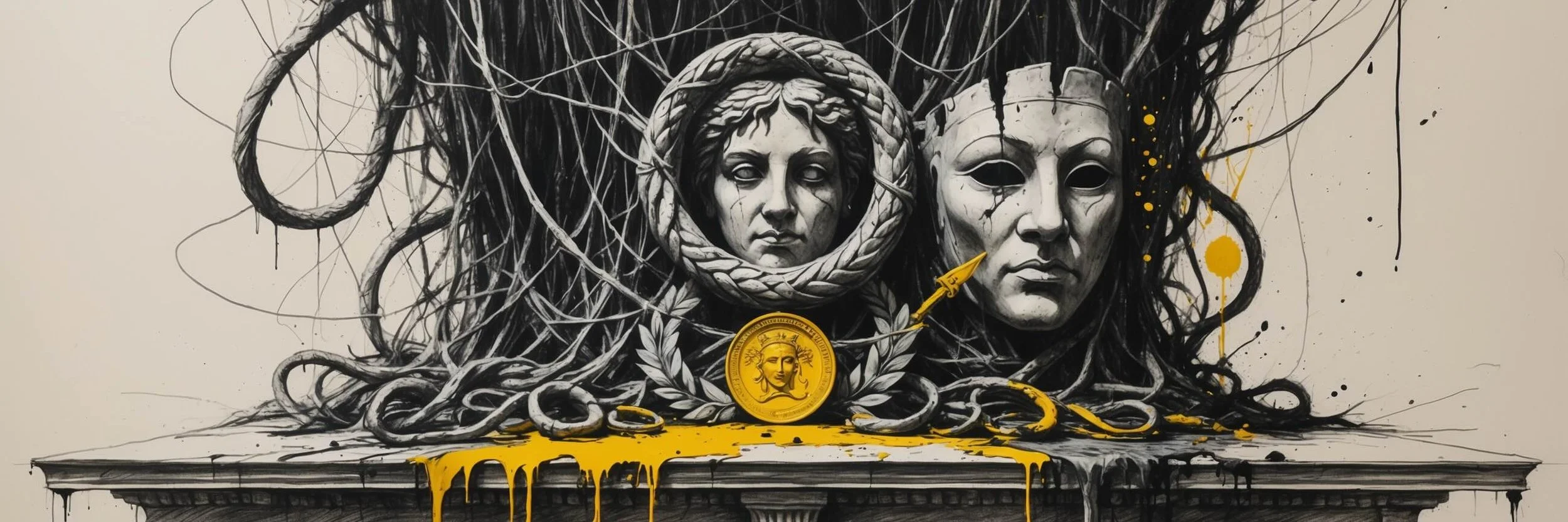
Honour and Patriotism

Honour is the subject of the play's story: Brutus's creed, Rome's code, and their price.
Read More
James Anthony James Anthony

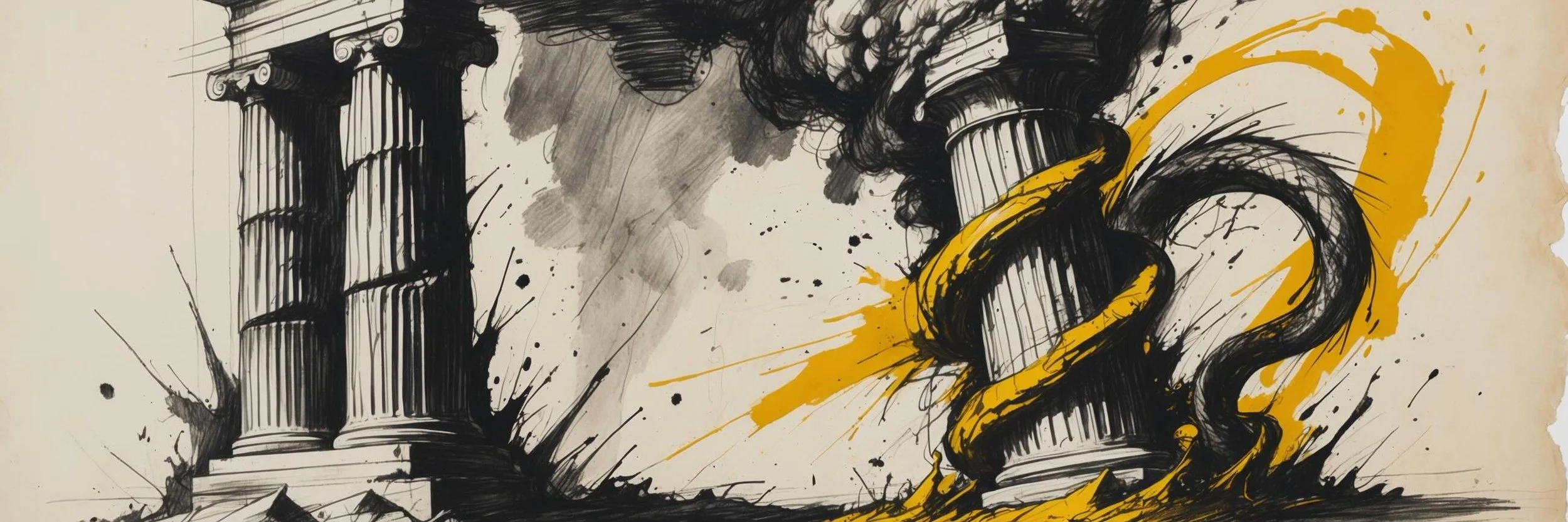
Public vs Private

Public Rome against the private self: Brutus's orchard, Caesar's two bodies, two marriages.
Read More
James Anthony James Anthony

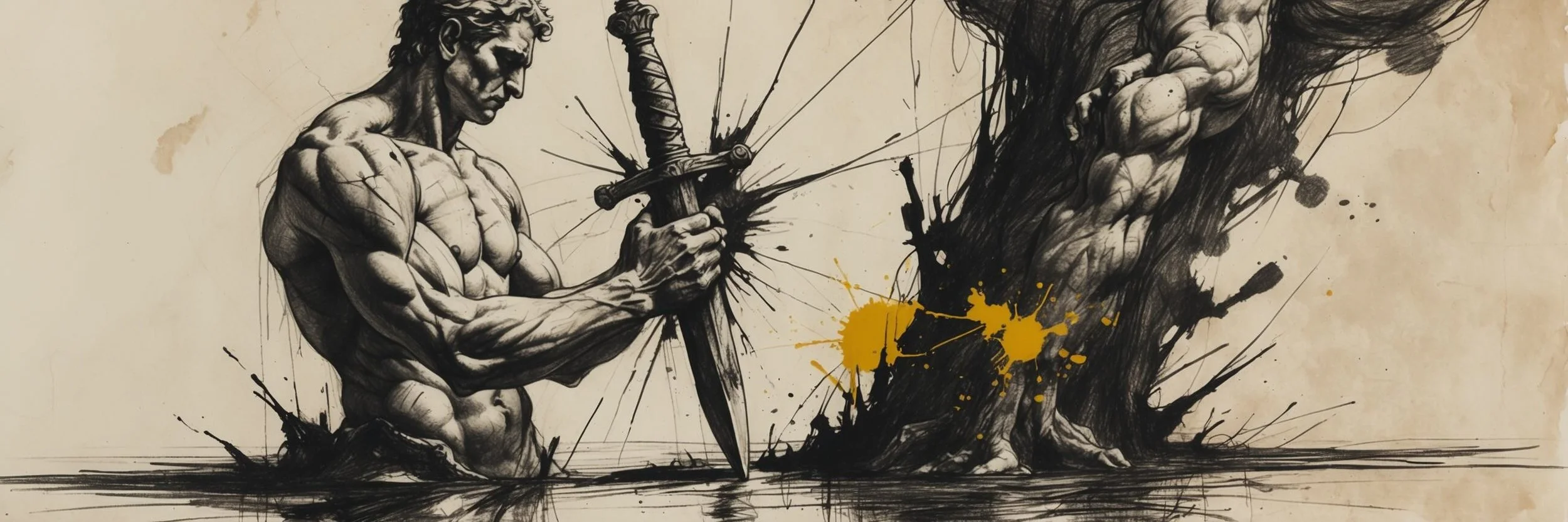
Fate vs Free Will

Omens, dreams and a ghost – and the choices that need no stars to explain them.
Read More
James Anthony James Anthony

Power and Tyranny

Was Caesar a tyrant in fact or only in fear? The question the daggers never settle.

Read More

Julius Caesar Themes — Frequently Asked Questions

What are the main themes in Julius Caesar?
Julius Caesar has seven major themes. Power and tyranny asks whether Caesar is really a tyrant – and what killing him actually changes. Loyalty and betrayal follows the bonds the assassination breaks: friendship, marriage and political alliance. Fate vs free will weighs the play's omens and prophecies against the human choices that fulfil them. Rhetoric and manipulation shows how words, not swords, win every turning point in the play. Honour and patriotism examines Rome's highest word and the crimes committed in its name. Public vs private counts what the public role costs the person underneath it. Ambition and jealousy asks whose ambition really kills Caesar – his own, or his enemies'. Each guide analyses the theme scene by scene, with key quotes, modern verse translation and study questions.
Is Caesar presented as a tyrant in Julius Caesar?
The play never shows Caesar doing a single tyrannical act. The conspirators kill him for what he might become, not for anything he has done. It does show him talking like an absolute ruler – "But I am constant as the northern star" (A3S1) – moments before the daggers fall. Then it shows what the killing produces. At A4S1 the new rulers sit at a table marking who will die: the very tyranny the assassination was meant to prevent. Killing the man does not kill the power. The name "Caesar" outlives Caesar and becomes the title of emperors. See Power and Tyranny in Julius Caesar for the full analysis.
How does Shakespeare present loyalty and betrayal in Julius Caesar?
Every bond in the play is tested by the assassination, and almost none survives. Cassius uses his friendship with Brutus to destroy Brutus's friendship with Caesar (A1S2). Brutus betrays his friend out of loyalty to Rome, and the play never settles whether that trade was noble or monstrous. Caesar stops fighting only when he sees one face among the killers – "Et tu, Brute! Then fall, Caesar." (A3S1). Antony's loyalty to the dead Caesar then powers the revenge that destroys the conspirators. The last loyalties are paid by Portia, by Brutus's servants, and by the suicides at Philippi (A5S5). See Loyalty and Betrayal in Julius Caesar for the full analysis.
Does fate or free will control events in Julius Caesar?
The play is built to support both answers. Every warning comes true: the Soothsayer's "Beware the ides of March" (A1S2), Calpurnia's dream of Caesar's statue running blood (A2S2), the ghost's promise to meet Brutus at Philippi (A4S3). Yet no warning causes anything. Each disaster still needs a human choice. Caesar chooses Decius's flattery over his wife's fear; Cassius kills himself over a misread cloud of dust (A5S3). Every prophecy lands, and every catastrophe is chosen. The play refuses to say which fact explains the other. See Fate vs Free Will in Julius Caesar for the full analysis.
Why is Antony's funeral speech so important?
Because it shows a city changing hands through words alone. Brutus speaks first at A3S2 and wins the crowd with reasons. Antony – "Friends, Romans, countrymen, lend me your ears" – then turns the same crowd in minutes, using Caesar's wounds, his torn cloak and his will as evidence. His refrain "Brutus is an honourable man" repeats until the word means its opposite. The crowd riots, and at A3S3 it kills Cinna the poet for having the wrong name. The speech wins Rome and unleashes the chaos that consumes the republic. See Rhetoric and Manipulation in Julius Caesar for the full analysis.
What does honour mean in Julius Caesar?
Honour is Brutus's whole code, and the play tests it to destruction. He tells Cassius he loves "the name of honour more than I fear death" (A1S2) – and that creed shows Cassius exactly how to recruit him. Every decision honour dictates is a tactical disaster: refusing the oath (A2S1), sparing Antony, letting him speak at the funeral, marching to Philippi. At the funeral, Antony turns the word "honourable" into a weapon against its owner. Yet the play's truest patriots are the powerless loyalists of Act 5, who die for the cause with nothing to gain. See Honour and Patriotism in Julius Caesar for the full analysis.
How does Julius Caesar contrast public and private life?
In this Rome the public role always wins, and the play counts what the victory costs. Brutus describes his own mind as "a little kingdom" in civil war as the conspiracy takes him over (A2S1). Caesar speaks of himself in the third person and overrules the private man who knew the warnings were real (A2S2). Portia and Calpurnia both reach for the husband inside the public figure; both are loved, refused and lost. The men who survive are the ones with the least inner life to lose – above all Octavius, who is never seen having a private thought. See Public vs Private in Julius Caesar for the full analysis.
Was Caesar really ambitious?
The charge that kills Caesar is never proven. He refuses the crown three times – offstage, reported second-hand by Casca (A1S2) – and even Brutus admits Caesar's reason has always ruled his feelings. Cassius's case is built from jealousy instead: the swimming race he won, the fever he nursed, the gap between the shaking man and the god Rome worships. Caesar reads it in him exactly – "Yond Cassius has a lean and hungry look" (A1S2). Brutus needs a theory, ambition's ladder (A2S1), because the evidence will not supply a crime. The genuinely ambitious men, Antony and Octavius, inherit Rome. See Ambition and Jealousy in Julius Caesar for the full analysis.