HomePlaysTwelfth Night → Themes

Twelfth Night: Themes

Twelfth Night themes analysis for all 7 major themes – love and desire, disguise and deception, gender and identity, madness and folly, class and ambition, revelry vs melancholy, and grief and time. Each guide examines how Shakespeare develops the theme across the play, supported by close reading, key quotes, and modern verse translation. A complete themes study guide and revision resource for GCSE, A-Level, AP English, IB, and undergraduate Shakespeare. Ideal for essay planning, exam preparation, and class discussion. Select a theme below to begin.
James Anthony James Anthony

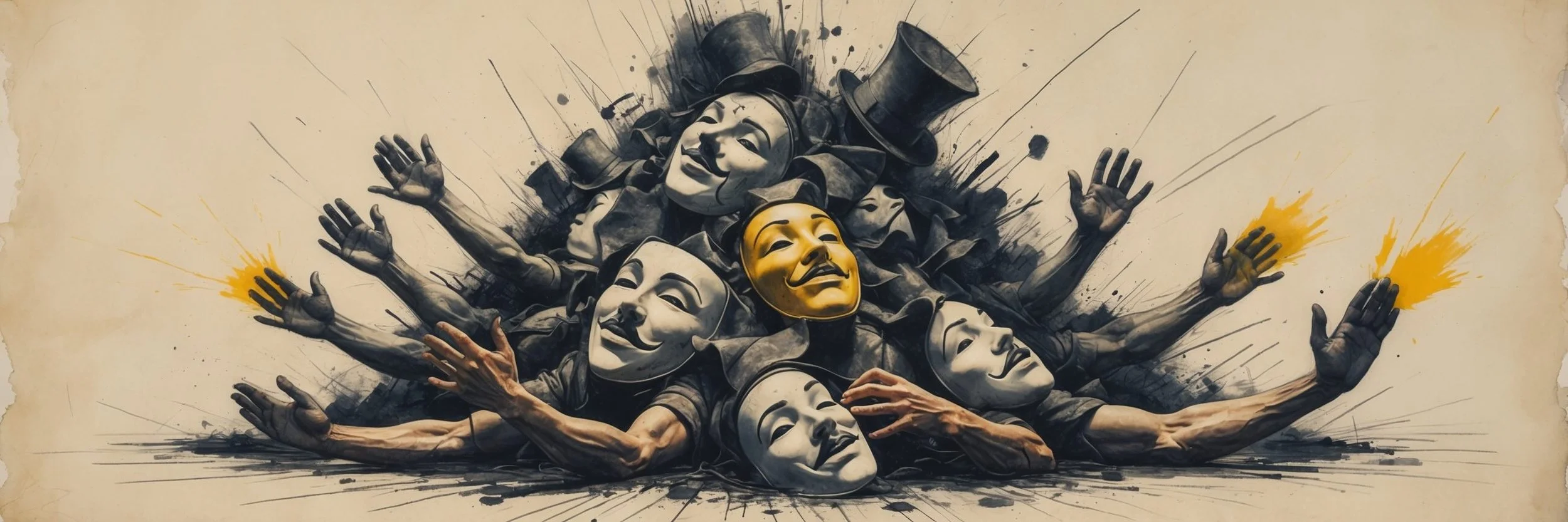
Disguise and Deception

Viola's costume, Maria's forged letter, and a fool in a curate's gown: Illyria runs on deceit.
Read More
James Anthony James Anthony

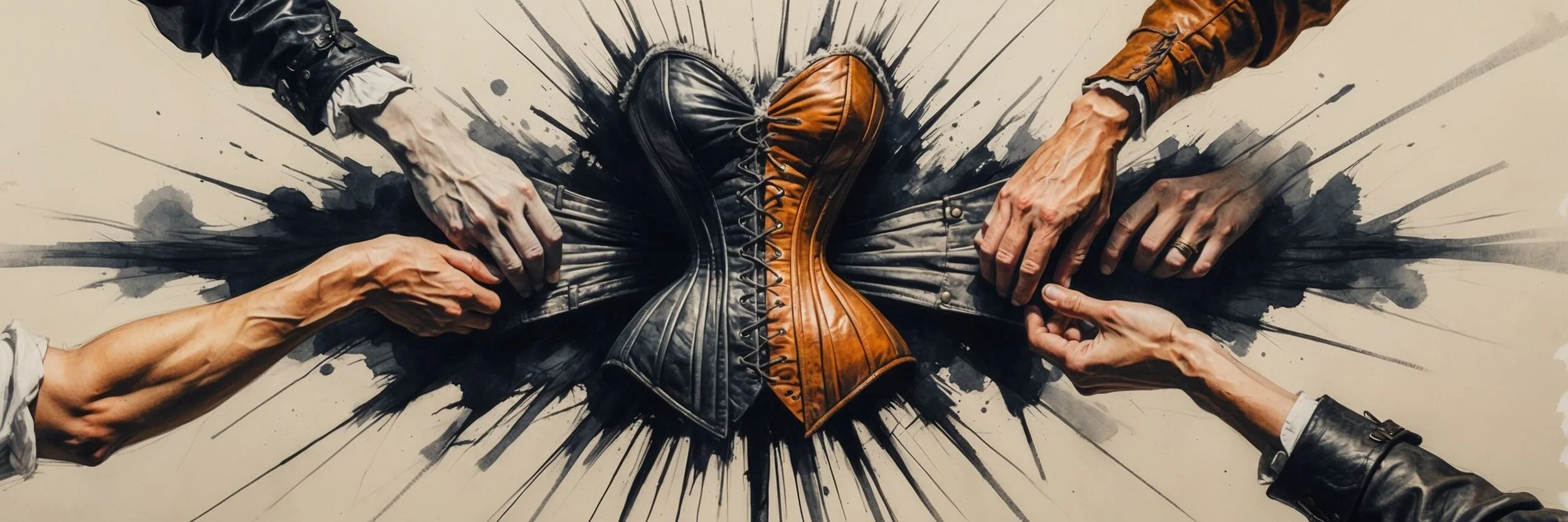
Gender and Identity

One face, one voice, two persons: Cesario, the twins, and the selves Illyria can't sort.
Read More
James Anthony James Anthony

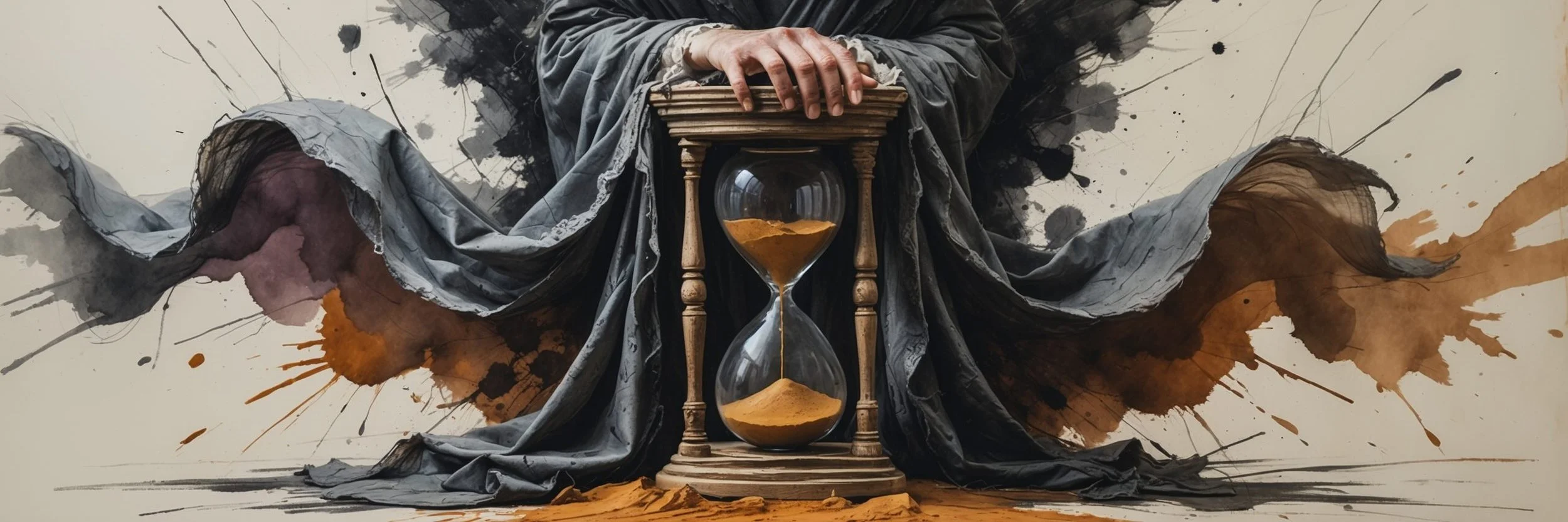
Grief and Time

Two drowned brothers, a seven-year veil, and the whirligig: how Illyria learns to wait.
Read More
James Anthony James Anthony

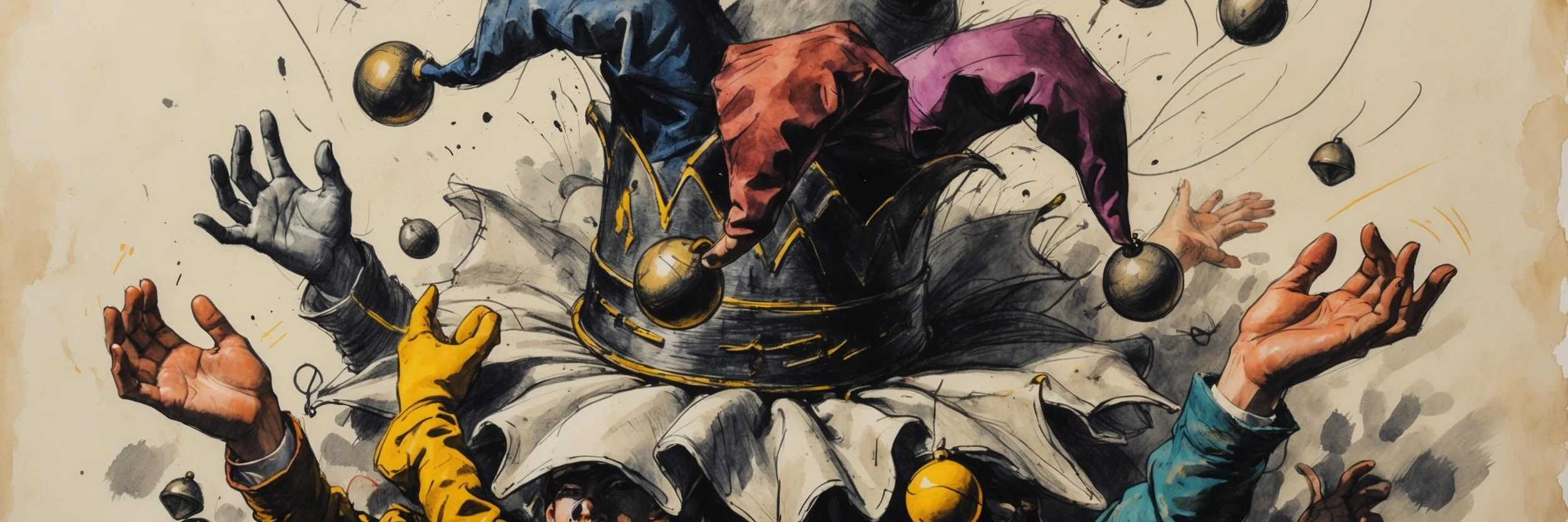
Love and Desire

Orsino loves loving, Olivia catches the plague, and Viola never tells: love in every key.
Read More
James Anthony James Anthony

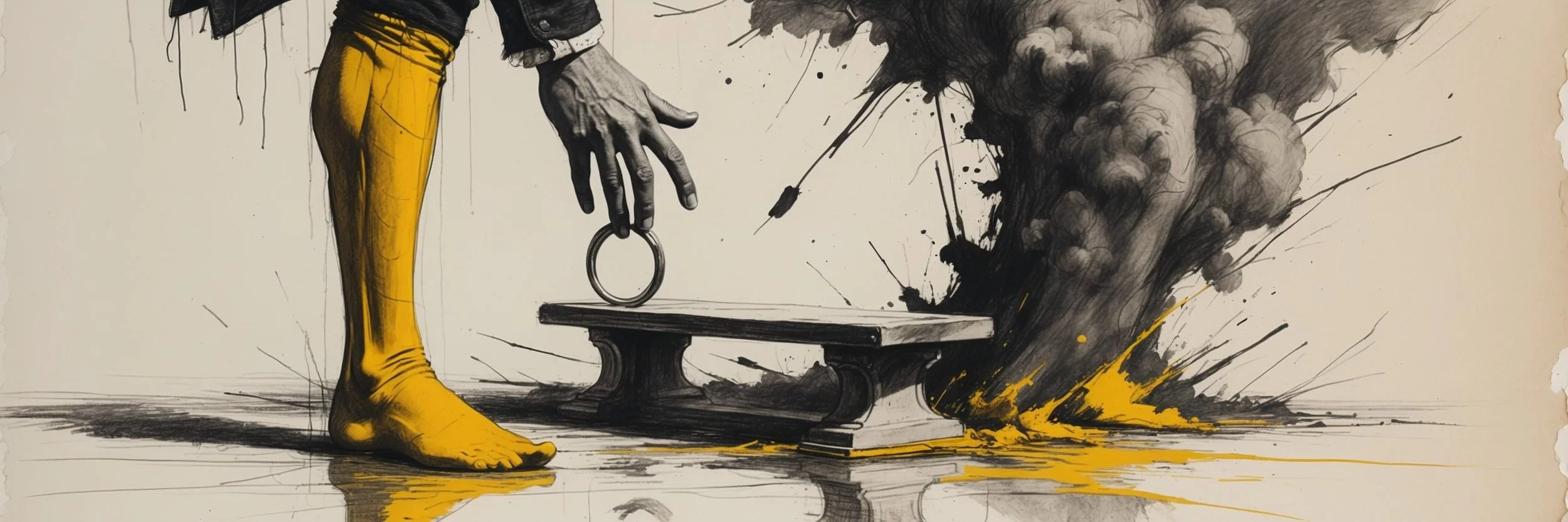
Madness and Folly

The fool talks wisdom, the steward is locked up sane: who is actually mad in Illyria?
Read More
James Anthony James Anthony

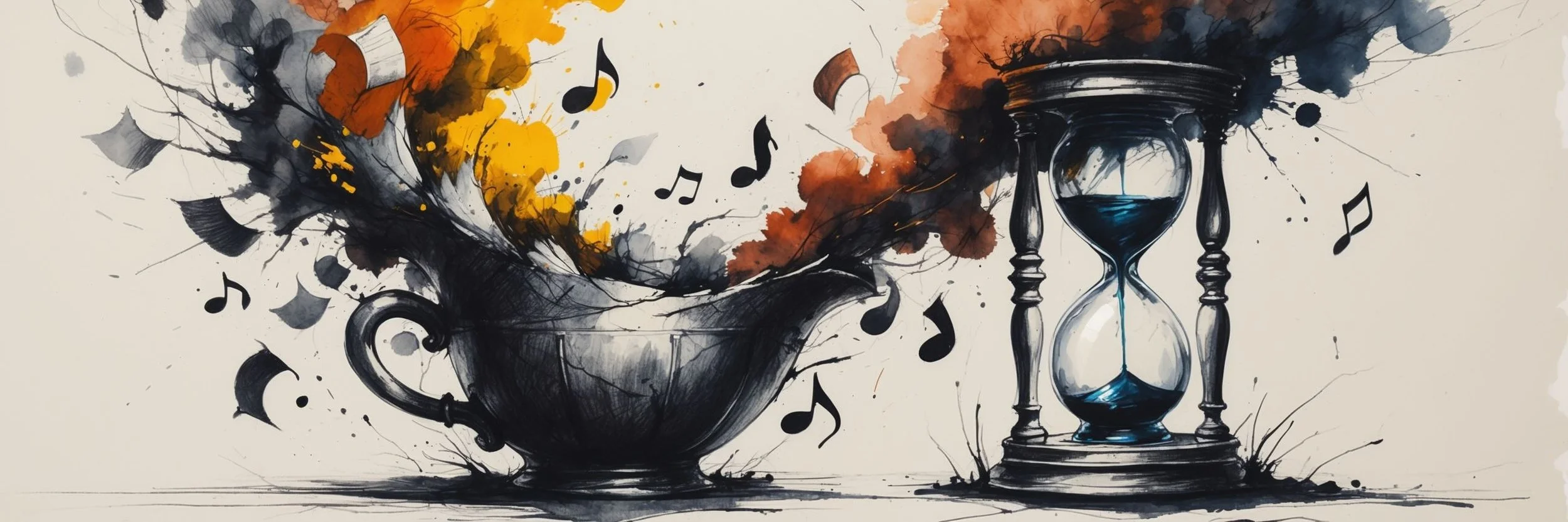
Class and Ambition

Count Malvolio, Maria's climb, and the ladder Illyria lets some people use.
Read More
James Anthony James Anthony

Revelry vs Melancholy

Cakes and ale against the seven-year veil: the battle for Olivia's house, and the rain after.

Read More

Twelfth Night Themes — Frequently Asked Questions

What are the main themes in Twelfth Night?
Twelfth Night has seven major themes. Love and desire tests every kind of love Illyria can stage – self-indulgent, sudden, silent and steadfast. Disguise and deception follows Viola's costume, Maria's forged letter, and the line between trick and cruelty. Gender and identity asks what makes a self when one identity is split between twins and a third is invented between genders. Madness and folly watches a wise fool prove everyone else foolish – and a sane man locked up as a lunatic. Class and ambition studies Illyria's social ladder: climbed quietly, policed savagely. Revelry vs melancholy stages the war between cakes and ale and the seven-year veil. Grief and time begins with two drowned brothers and ends with a song about the rain. Each guide analyses the theme scene by scene, with key quotes, modern verse translation and study questions.
How does Shakespeare present love in Twelfth Night?
In every register, and the play tests which kind is real. Orsino opens the play demanding "If music be the food of love, play on" (A1S1) – love as an appetite he feeds for his own pleasure, with Olivia barely featuring. Olivia catches love like an infection, in one afternoon, from a person who does not exist. Viola simply loves – silently, while wooing her rival on her beloved's behalf – and her image of concealment, sitting "like patience on a monument" (A2S4), is the play's truest picture of the feeling. Three weddings close the play, each built partly on mistake, and Antonio, the most selfless lover, is left outside every pairing. See Love and Desire in Twelfth Night for the full analysis.
Why does Viola disguise herself as Cesario?
For survival. Shipwrecked and alone in a strange country, believing her brother drowned, she needs safety, work and time – and a page in a duke's household gets all three (A1S2). The disguise then traps her first: she loves a master she cannot court and is loved by a countess she cannot accept. Her riddle to Olivia – "I am not what I am" (A3S1) – is a full confession that works as a perfect lie. The play sets her gentle deception against the cruel kind: Maria's forged letter and the dark house where Malvolio is gaslit as a madman (A4S2). No one untangles the lies – Sebastian's arrival simply makes them all true. See Disguise and Deception in Twelfth Night for the full analysis.
What does Twelfth Night say about gender and identity?
That Illyria reads gender off surfaces – and that the surfaces can be worn by anyone. Orsino itemises Cesario's feminine lip and voice and still concludes "boy" (A1S4). Viola can only describe herself truthfully in two genders at once: "I am all the daughters of my father's house, / And all the brothers too" (A2S4). The duel exposes manhood as a performance everyone does badly – Sir Andrew's is as fraudulent as Cesario's. And the ending sorts the twins by names and shared memories, not faces. The play never shows Viola back in a dress, and Orsino still calls his bride "Cesario" in the final scene. See Gender and Identity in Twelfth Night for the full analysis.
Who is really mad in Twelfth Night?
Nobody – and that is the point. Every "madness" has a sane cause: Malvolio is obeying a forged letter when Olivia diagnoses "midsummer madness" (A3S4); Sebastian's Illyria seems lunatic only because no one knows there are two twins. The fool is the play's real expert: Feste proves Olivia foolish for mourning a soul in heaven (A1S5), and playing the fool well takes the sharpest wit in the play. The joke darkens in the dark house, where the sane Malvolio protests "this house is dark" and a false priest overrules his own eyes (A4S2). Madness, in this play, is not a state of mind – it is a verdict a community issues, and it can be issued upside down. See Madness and Folly in Twelfth Night for the full analysis.
Why is Malvolio punished so harshly?
Because he said the dream out loud. "To be Count Malvolio" (A2S5) is running before Maria writes a word – the letter only supplies evidence for an ambition already furnished. The play then shows the ladder being selectively enforced: Maria climbs by wit and marriage and is rewarded; Sebastian marries the countess within a day of arriving and no one blinks; the steward who aspires aloud is locked in a dark room. His exit – "I'll be revenged on the whole pack of you" (A5S1) – refuses the comic amnesty, and the play lets the refusal stand: Olivia herself rules that he has been "notoriously abused". See Class and Ambition in Twelfth Night for the full analysis.
What does "cakes and ale" mean in Twelfth Night?
It is Sir Toby's battle-cry in the midnight kitchen quarrel: "Dost thou think, because thou art virtuous, there shall be no more cakes and ale?" (A2S3). Malvolio has arrived to silence the revel in a house of mourning; Toby's question accuses virtue of trying to abolish pleasure itself. The play gives neither side a clean win – Malvolio is right about the hour, and Toby's festivity is funded by his niece's cellar and Sir Andrew's purse. The same war runs through the whole play: Olivia's seven-year veil against the party below stairs, Orsino's curated sadness against Feste's songs. The fool gets the last word, alone on stage, singing that "the rain it raineth every day" (A5S1). See Revelry vs Melancholy in Twelfth Night for the full analysis.
How does Twelfth Night deal with grief?
The comedy begins with two drowned brothers, and stages two ways of mourning them. Olivia builds her grief a building – seven years of veils and daily tears – and it collapses in five scenes. Viola carries hers to work, holding the loss open with one word, "perchance", and the play rewards her method with its only miracle. Her couplet is the theme's wisdom: "O time! Thou must untangle this, not I" (A2S2) – some knots are seasons, not puzzles. Time keeps her promise: it returns the drowned brother, dissolves the vows, and settles the fool's old score with Malvolio through "the whirligig of time" (A5S1). Then it keeps raining. See Grief and Time in Twelfth Night for the full analysis.