
Home → Plays → Twelfth Night → Characters
Twelfth Night: Characters
Twelfth Night character analysis for all 10 main characters — Viola, Olivia, Orsino, Malvolio, Feste, Sir Toby Belch, Sir Andrew Aguecheek, Sebastian, Antonio and Maria. Each profile explores the character's psychology, motivation, and dramatic function, supported throughout by a modern verse translation and key quotes.
A complete character study guide and revision resource for GCSE, A-Level, AP English, IB, and undergraduate Shakespeare — equally useful to teachers and actors. Select a character below to begin.
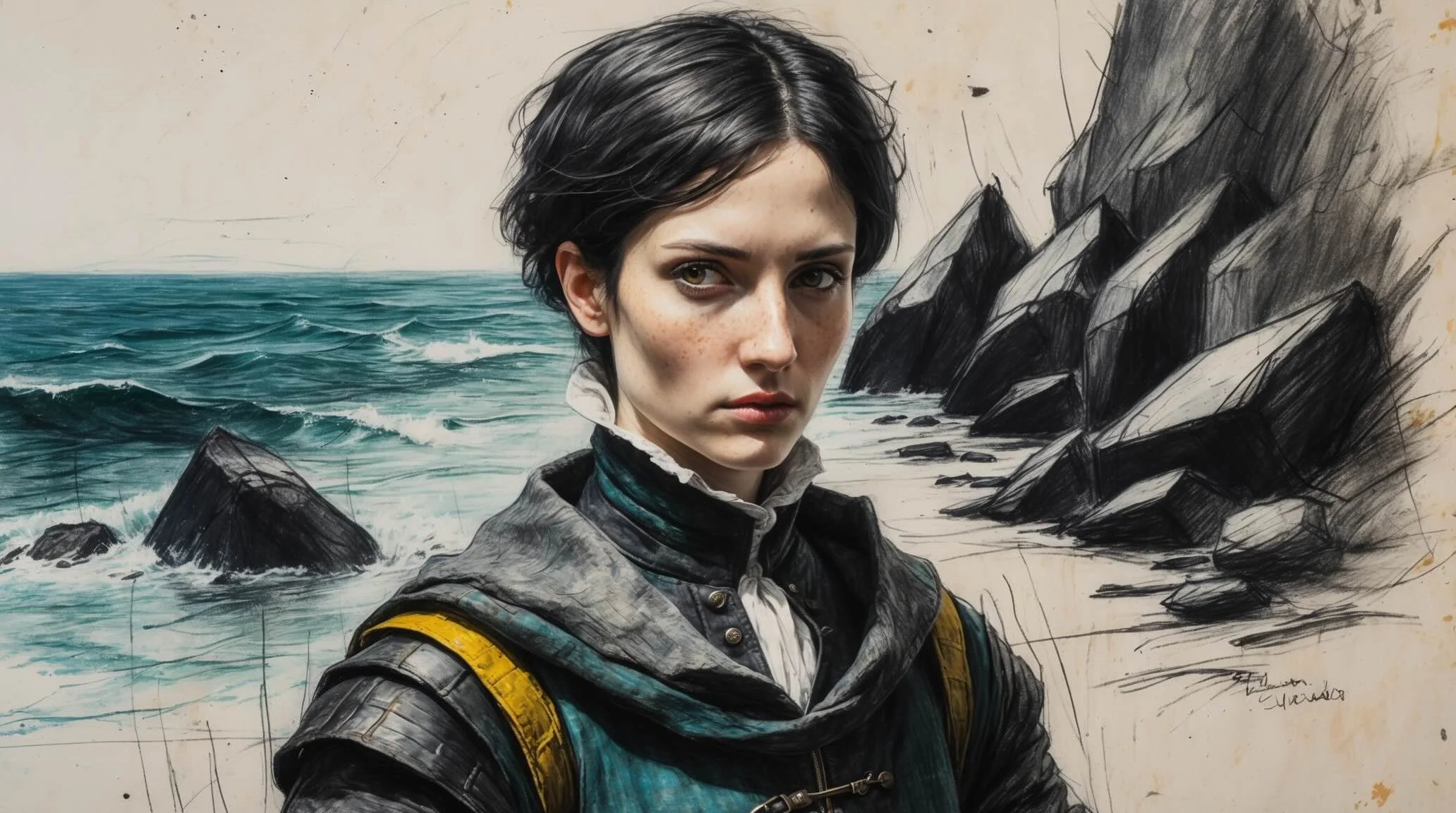
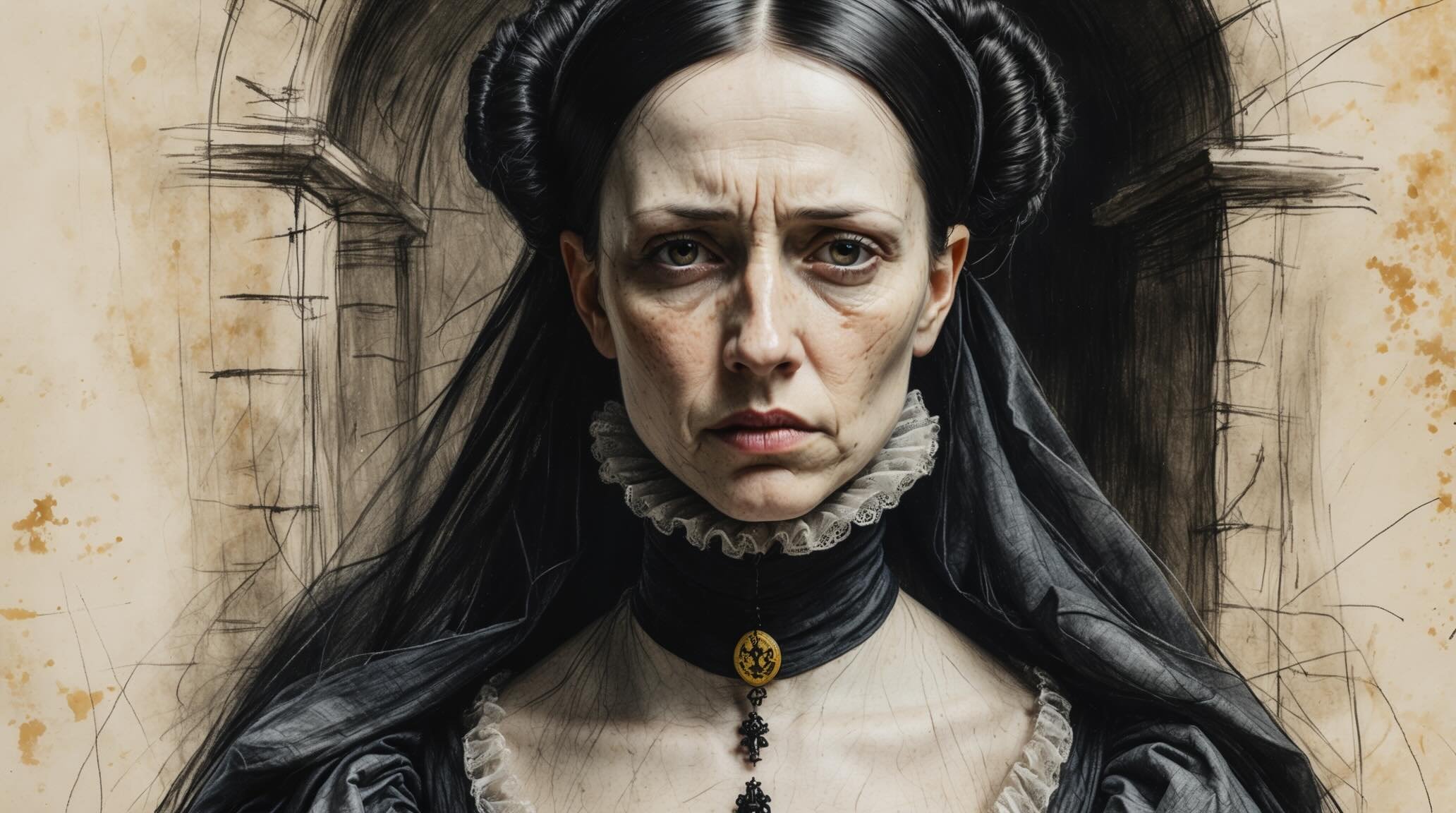
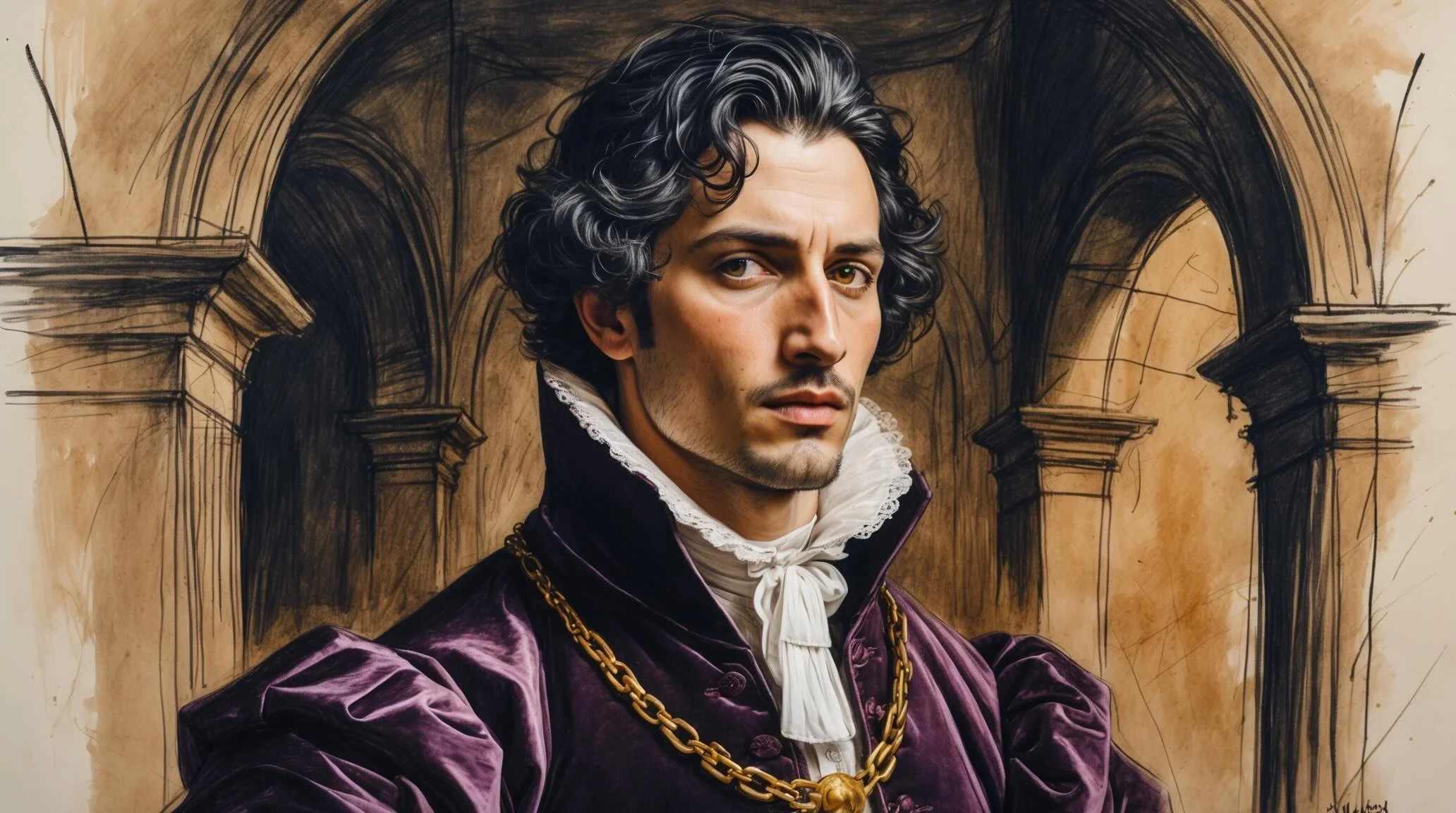
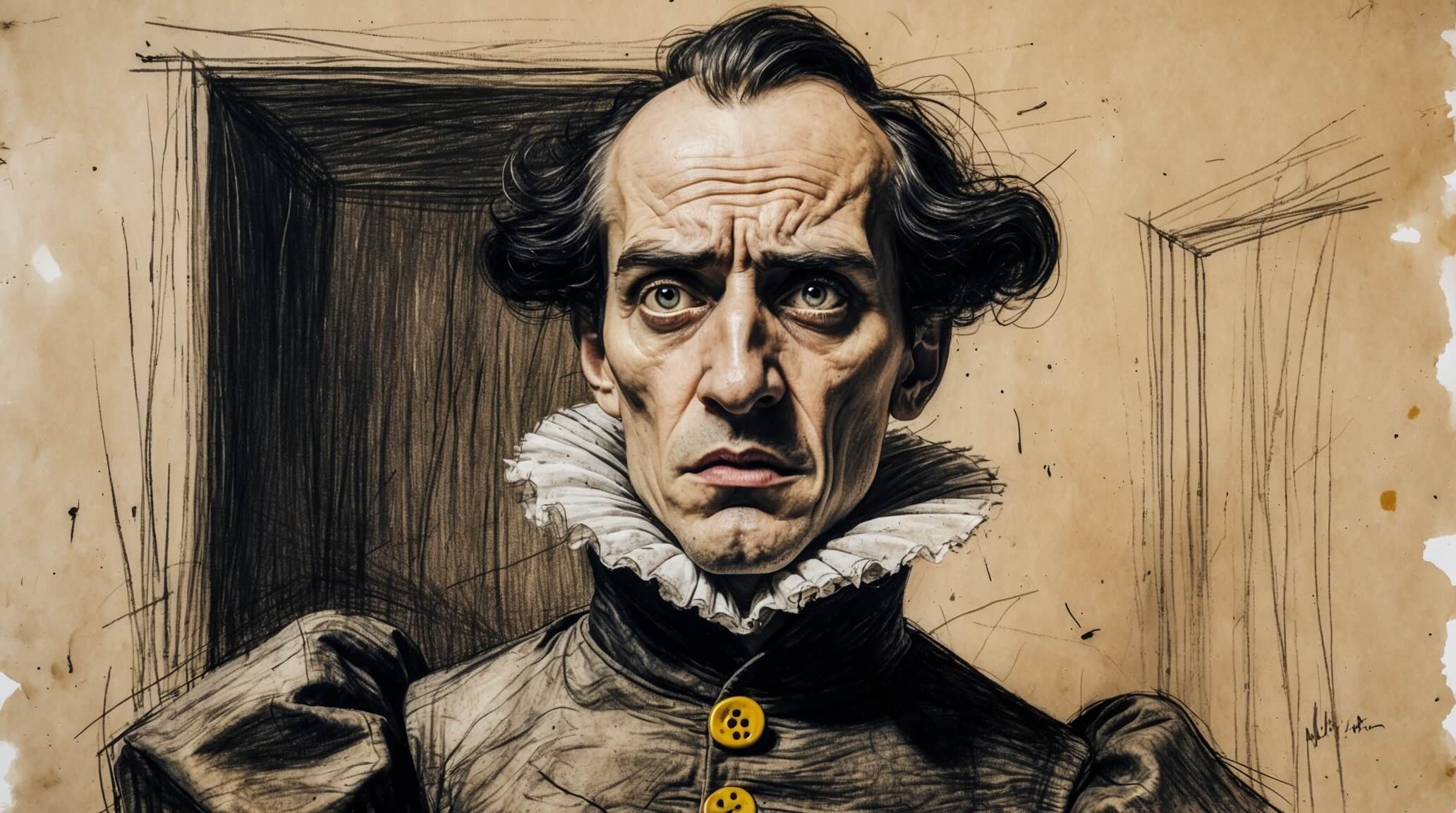

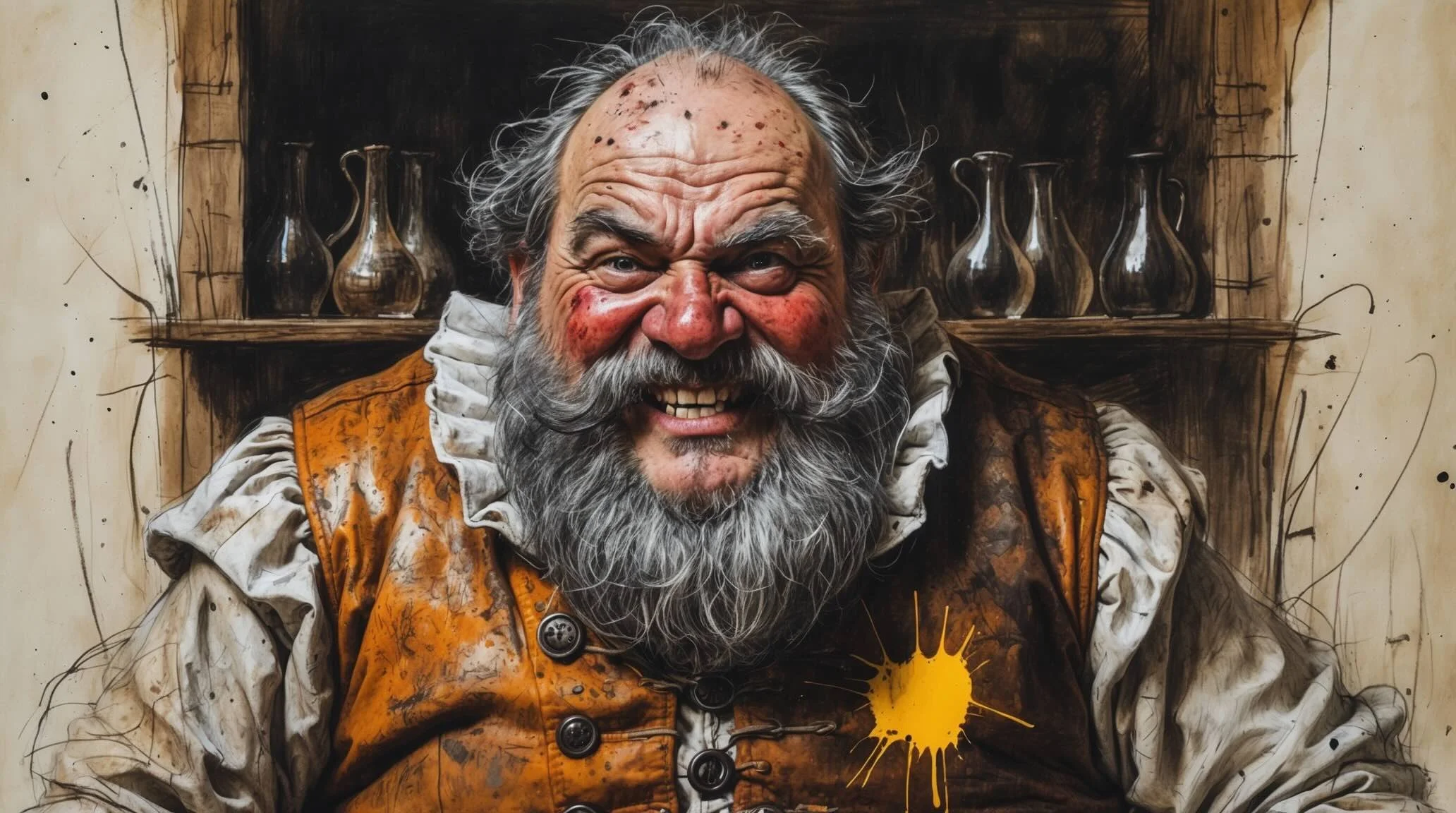
Sir Toby Belch
Olivia's drinking-uncle and the play's Falstaffian reveller, who defends festivity and exploits everyone around him.
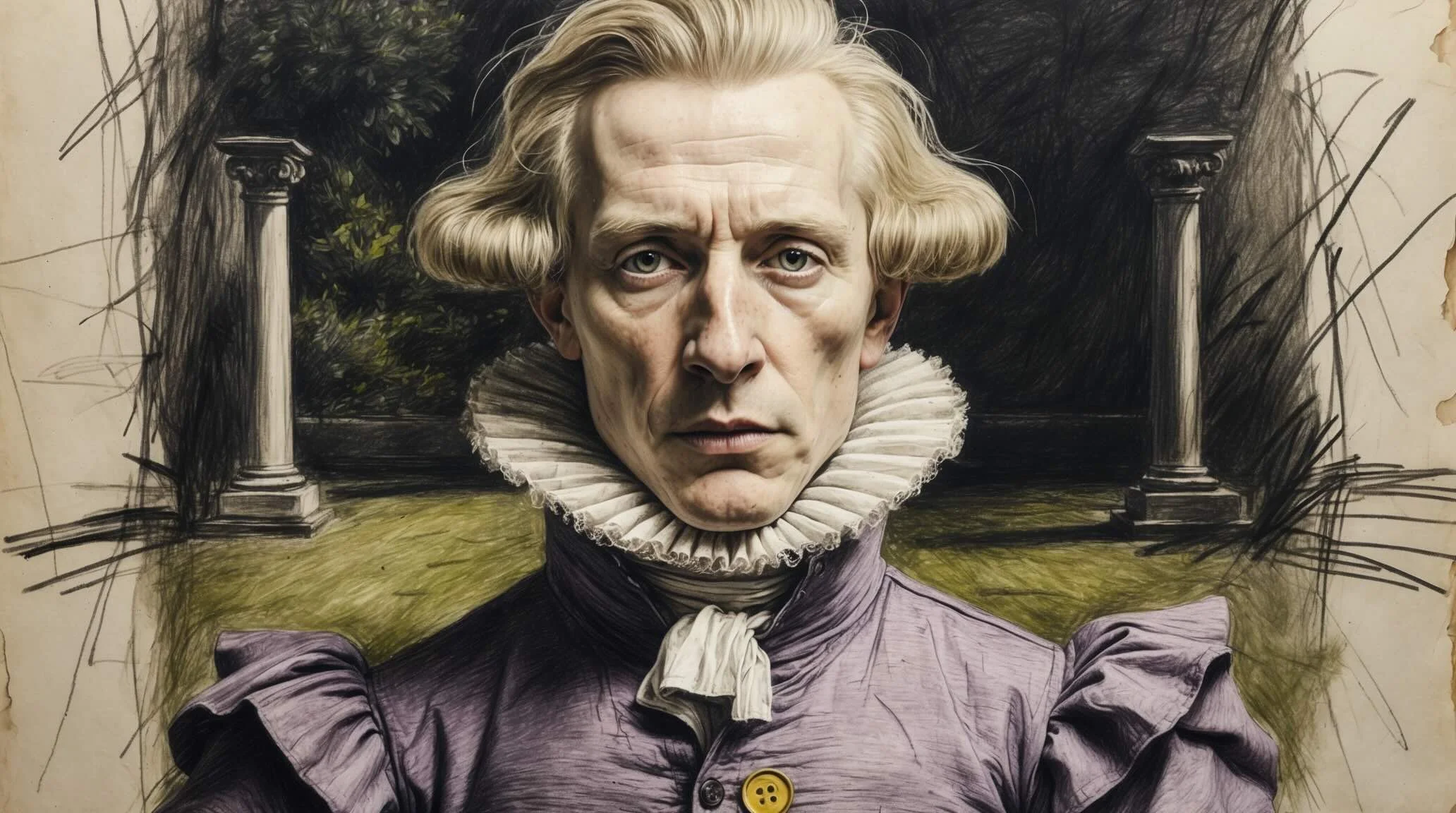
Sir Andrew Aguecheek
The foolish knight and hapless suitor whom Sir Toby fleeces, gulls, and discards by the play's end.

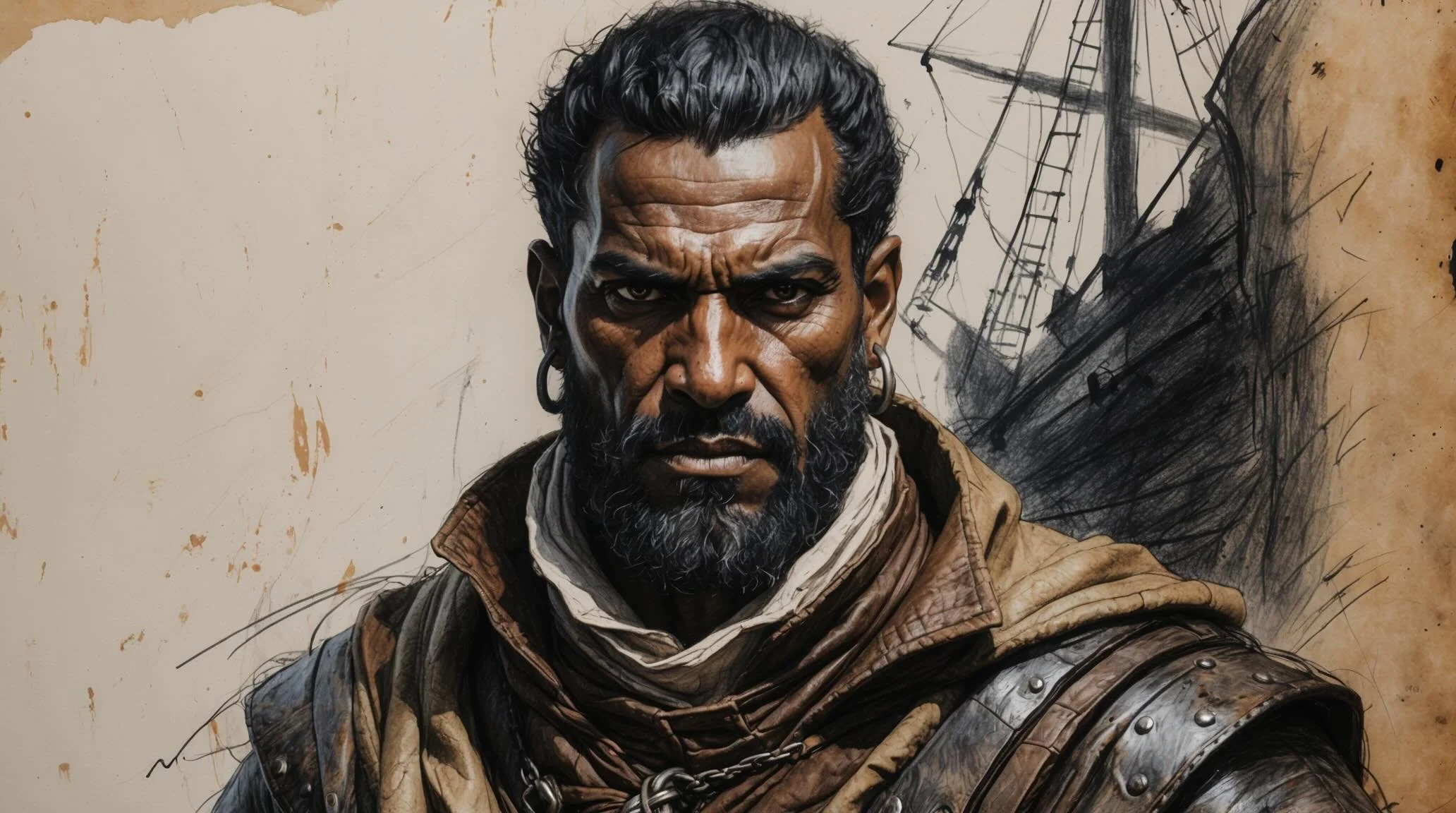
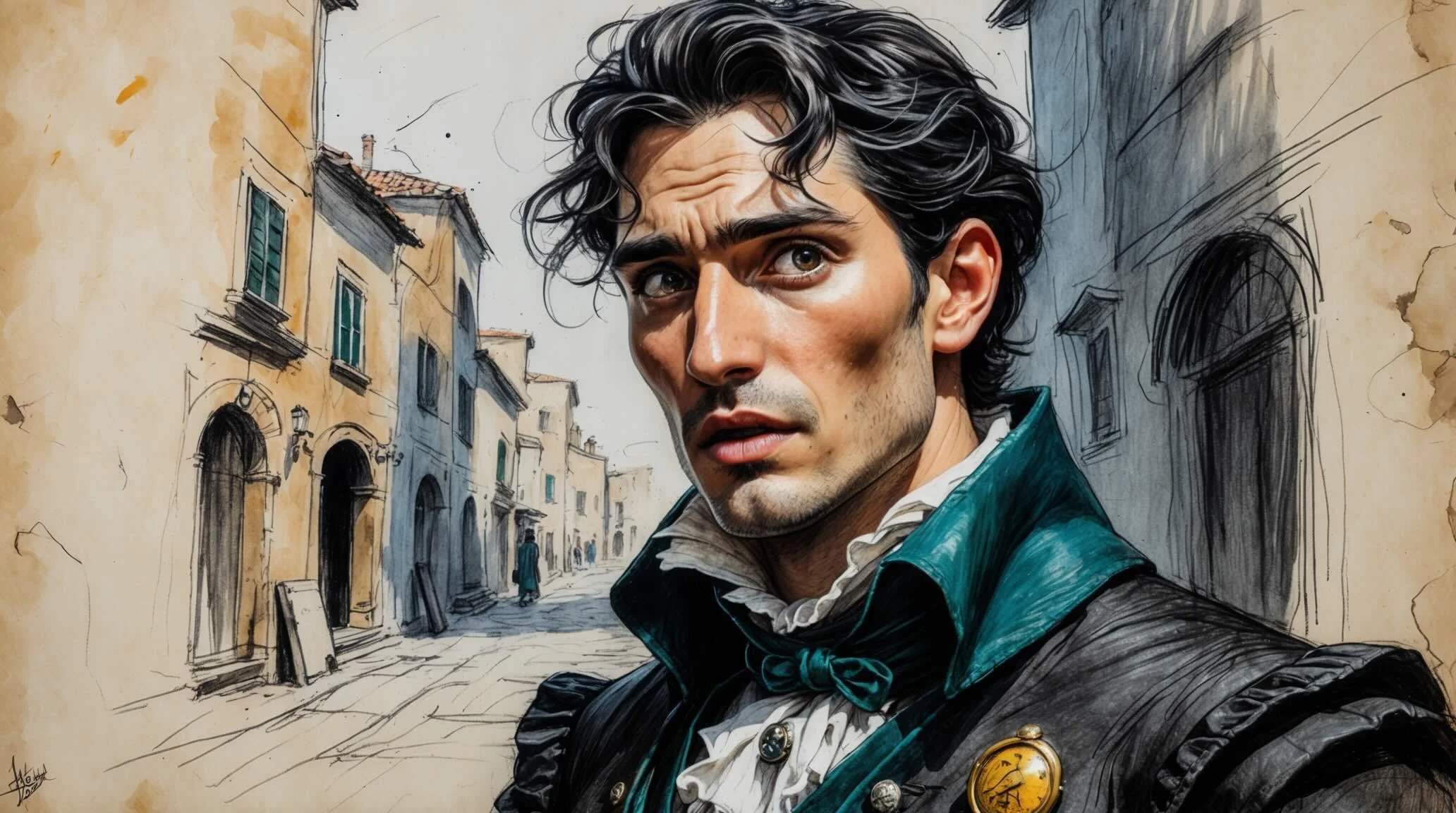
Supporting Cast
Beyond the ten figures who carry the main action, Twelfth Night is populated by a small set of courtiers around Orsino, a handful of household figures around Olivia, and a few peripheral figures whose presence shapes the play's edges. The wider cast is grouped below by household.
Orsino's Court
Valentine
Gentleman attending Orsino. He opens the play with the report that Olivia will not receive Orsino's messengers ("she will admit no kind of suit") and reappears in 1.4 to comment, with mild courtier's envy, on Cesario's rapid rise in Orsino's favour ("you are like to be much advanced"). The play's quiet portrait of court hierarchy in flux.
Curio
A second gentleman attending Orsino, briefer than Valentine. Appears in 1.1, where he suggests hunting "the hart" as distraction from love-melancholy, and in 2.4, where he is sent to fetch Feste. His function is largely to absorb Orsino's restlessness and provide cover for the play's deeper conversations.
The Musicians
The court players whose performance of "Come away, come away, death" frames Orsino's most extended meditation on love and gender in 2.4. Their unspoken presence — playing while Viola and Orsino exchange the play's most haunting dialogue about who can love how — makes them structurally essential to one of the most carefully written scenes in the comedy.
Olivia's Household
Fabian
Servant in Olivia's household who joins the gulling plot at 2.5 and remains involved through the cross-gartered humiliation, the duel arrangement, and the dark-room confinement. His final speech in 5.1 attempts to recast the whole prank as harmless mirth — but the speech's strained mitigation is itself the play's most ambivalent piece of writing on what the gulling has been.
The Priest
The clergyman who in 4.3 marries Olivia to Sebastian — whom she mistakes for Cesario — and in 5.1 testifies to having performed the ceremony "two hours" before. His testimony is the dramaturgical mechanism that closes the comedy's central confusion: the marriage is real, even if its premise was mistaken.
Others
The Sea Captain
Viola's rescuer in 1.2, who reports that Sebastian "to a strong mast that lived upon the sea" was last seen alive, and who helps Viola adopt the Cesario disguise. Mentioned in 5.1 as being held in prison "at Malvolio's suit" — the only named character whose fate the play leaves unresolved at the curtain, and one of the most famous loose ends in the Shakespearean comedies.
The Officers
The Illyrian officers who in 3.4 recognise and arrest Antonio for his earlier piratical exploits against Orsino's fleet. Their arrival converts the play's comic confusion — Antonio thinks he is being abandoned by Sebastian but is actually addressing Viola-as-Cesario — into one of its most emotionally serious moments.
Servants and Attendants
The various unnamed figures who carry messages, summon characters, and fill out the court and household scenes throughout: Olivia's gentlewomen, Orsino's lords, the messenger who tells Olivia in 1.5 that Cesario will not go away. Each fulfils function rather than character.
Frequently Asked Questions
Who are the main characters in Twelfth Night?
The play has ten main characters. Viola is the play's protagonist — a shipwrecked noblewoman who disguises herself as the male page Cesario. Olivia is the wealthy Illyrian countess in seven-year mourning who falls in love with Cesario. Duke Orsino is the lovesick Duke of Illyria whose pursuit of Olivia drives the plot.
Malvolio is Olivia's puritanical steward and the comedy's tragic-comic borderline figure. Feste is Olivia's licensed fool and the play's musician-philosopher.
Sir Toby Belch is Olivia's drinking-uncle and the patron of Sir Andrew. Sir Andrew Aguecheek is the foolish knight and Olivia's failed suitor. Sebastian is Viola's twin brother, whose late arrival resolves the comedy.
Antonio is the sea captain whose devotion to Sebastian gives the play its most articulate love. Maria is Olivia's sharp-tongued waiting-gentlewoman, who designs the gulling of Malvolio.
Each figure has a distinct role within the play's interlocking love-triangles and comic subplots, and each is covered in detail on their own page in this guide.
Who is the protagonist of Twelfth Night?
Viola is the play's protagonist by every traditional measure. Her disguise drives the comedy's central plot. Her interior carries its emotional centre. Her recognition in Act 5, Scene 1 resolves the marriages of both households.
Hazlitt's 1817 reading remains foundational: "The great and secret charm of Twelfth Night is the character of Viola."
The reading captures something essential about the role. Viola is the play's most loved figure. The love is carried in disguise, expressed indirectly (most famously in the "patience on a monument" speech of 2.4), and never directly declared until the final scene.
Modern criticism has largely accepted this placement. Among Shakespeare's cross-dressing heroines — Rosalind in As You Like It, Portia in The Merchant of Venice, Julia in The Two Gentlemen of Verona — Viola is the most inward.
She does not actively educate her beloved in the nature of love. She does not direct the plot's resolution. She does not test or refine her partner. The patience she practises is the character. And the play arranges around her the conditions under which her love can be fulfilled.
What is Twelfth Night about?
Twelfth Night is a romantic comedy built around mistaken identity, cross-dressing, and the complications of love.
The play opens with Duke Orsino of Illyria pining for Countess Olivia, who has sworn off love for seven years to mourn her brother.
Viola, shipwrecked on Illyria's coast and believing her twin brother Sebastian drowned, disguises herself as the male page Cesario and enters Orsino's service. The duke sends her to woo Olivia on his behalf. Olivia falls in love with Cesario. Viola falls in love with Orsino.
The play's comic subplot follows Sir Toby Belch, Maria, and Feste as they trick the puritanical steward Malvolio into believing Olivia loves him. They eventually confine him in a dark room as a madman.
The arrival of Sebastian in Act 4 — alive after all — allows everything to untangle. Olivia marries Sebastian (believing him to be Cesario). Orsino, recognising Viola's true identity, proposes to her. The marriages are completed. Malvolio exits promising revenge. Feste closes the play with the song "When that I was and a little tiny boy."
On the surface, the play is a romantic comedy. On a deeper level, it is a meditation on grief, disguise, and the misunderstandings love produces.
What are the main themes of Twelfth Night?
The play's principal themes are love and desire, disguise and deception, and gender and identity.
Love and desire takes many forms — the performed lovesickness of Orsino, the suddenly-arrived passion of Olivia, the patiently-held devotion of Viola, the unguarded love of Antonio for Sebastian, the unrequited longing of Malvolio for status.
Disguise and deception runs throughout. Viola's male disguise as Cesario. Feste's costume as Sir Topas. Maria's forged letter. The household's coordinated deception of Malvolio.
Gender and identity gives the play its philosophical edge. Viola's "I, poor monster" recognition of her hybrid status. The same-sex attractions in the Orsino-Cesario relationship and the Olivia-Cesario relationship. Antonio's love for Sebastian.
Equally important are madness and folly, class and ambition, revelry vs melancholy, and grief and time.
Madness and folly distinguishes between the licensed fool Feste and the gulled "madman" Malvolio, and asks the broader question of who in Illyria is actually sane.
Class and ambition runs through Malvolio's pursuit of greatness, Maria's marriage to Sir Toby, Sir Andrew's failed suit to Olivia, and Sir Toby's exploitation of Sir Andrew's three thousand ducats a year.
Revelry vs melancholy gives the play its twin voices — Sir Toby's "care's an enemy to life" against Orsino's lovesick rhetoric and Olivia's seven-year mourning.
Grief and time is the play's deep underlayer — the lost brothers, the seven-year vow, the closing song's "for the rain it raineth every day."
Each theme is explored in detail on its own page, with cross-references back to the relevant characters.
What does the title "Twelfth Night" mean?
The title refers to the twelfth night of the Christmas season — January 5th, the Eve of Epiphany. In early modern England this was the climax of the twelve-day Christmas celebration. It was the occasion for a final night of misrule, festivity, and the kind of comic disorder the play depicts.
Twelfth Night was traditionally the date on which household servants briefly took the roles of their masters. The "Lord of Misrule" presided over the festivities. The social hierarchy was, for a single night, turned upside down before the return of ordinary life on the following morning.
Shakespeare's play does not directly reference any of these customs. Harold Bloom notes that the play "makes no reference whatsoever to Twelfth Night." But it operates within their spirit.
The household of Olivia, dominated by Sir Toby's revelry and Maria's mischief, is conducting its own piece of misrule. Malvolio is the figure who refuses to accept that "cakes and ale" are permitted. Feste is the licensed fool whose costume lets him speak truths the household cannot otherwise hear.
The play's alternative title — "or, What You Will" — emphasises the carnival permission Twelfth Night represented: a single evening on which the conventional rules of social order could be set aside in favour of comic invention.
C. L. Barber's Shakespeare's Festive Comedy (1959) reads the play within this tradition explicitly. He distinguishes the "festive" movements (recognisably comic) from the "post-festive" movements — the gulling of Malvolio crossing the threshold into something darker.
Is Twelfth Night a comedy or a tragedy?
Twelfth Night is structurally a comedy. It ends with three marriages, no deaths, and a closing celebration. But it has been read for two centuries as Shakespeare's darkest comedy, and the reading is exact.
The marriages of 5.1 are real. Orsino marries Viola. Olivia marries Sebastian. Sir Toby marries Maria.
What the play does not absorb into its resolution is, however, considerable.
Malvolio exits promising revenge ("I'll be revenged on the whole pack of you") and is given no reconciliation. Antonio is reunited with Sebastian but receives no comparable pairing of his own — Sebastian is married to Olivia, and Antonio's love for him is left unresolved. Sir Andrew is given no marriage and is dismissed by his friend Sir Toby in some of the play's harshest lines.
Feste's closing song — "for the rain it raineth every day" — refuses to celebrate the marriages directly. It reads instead as the play's quietest acknowledgement that comic resolution does not erase the longer weather of human disappointment.
Charles Lamb's 1822 essay on Malvolio captured the difficulty in a single phrase: "I confess that I never saw the catastrophe of this character, while Bensley played it, without a kind of tragic interest." Every subsequent generation of critics has built on the reading.
Twelfth Night is a comedy that knows what comedy cannot do. The knowledge is part of what makes it Shakespeare's most mature work in the genre.
How can I use this Twelfth Night character guide for study or revision?
The character pages in this guide are designed to support students at GCSE, A-Level, AP English, IB, and undergraduate level. Each page is structured to be used in several ways.
The "Character Profile — At a Glance" box at the top gives a quick-reference summary of role, traits, conflict, key actions, and outcome. Useful for exam revision and last-minute review.
The themed analysis sections that follow give a deeper exploration of the character's major scenes. Each piece of analysis is supported by the original Shakespeare quotation paired with a modern verse translation from the Shakespeare Retold series.
The "Key Quotes" section identifies the four most-quoted lines for each character, with detailed analysis of each — useful for essay preparation. The pull-quote from a major Shakespeare critic (Hazlitt, Lamb, Bloom, Smith) places each character within the foundational critical tradition.
The "Study Questions and Analysis" FAQ at the bottom of each page addresses the questions students and teachers ask most often. These include comparison with other Shakespearean figures, the play's structural choices, and the modern critical debates.
Cross-references between pages allow you to follow the play's relationships — for example, from Viola to Orsino, or from Malvolio to Feste.
For broader thematic study, see the companion pages on love and desire, disguise and deception, gender and identity, madness and folly, class and ambition, revelry vs melancholy, and grief and time.