HomePlaysMacbeth → Themes

Macbeth: Themes

Macbeth themes analysis for all 7 major themes – power and ambition, fate vs free will, guilt and paranoia, the supernatural, tyranny vs kingship, masculinity and cruelty, and appearance vs reality.

Each guide examines how Shakespeare develops the theme across the play, supported by close reading, key quotes, and modern verse translation.

A complete themes study guide and revision resource for GCSE, A-Level, AP English, IB, and undergraduate Shakespeare. Ideal for essay planning, exam preparation, and class discussion. Select a theme below to begin.
James Anthony James Anthony

Power and Ambition

Macbeth's desire for the crown, and the emptiness of the power he kills to win.
Read More
James Anthony James Anthony

Fate vs Free Will

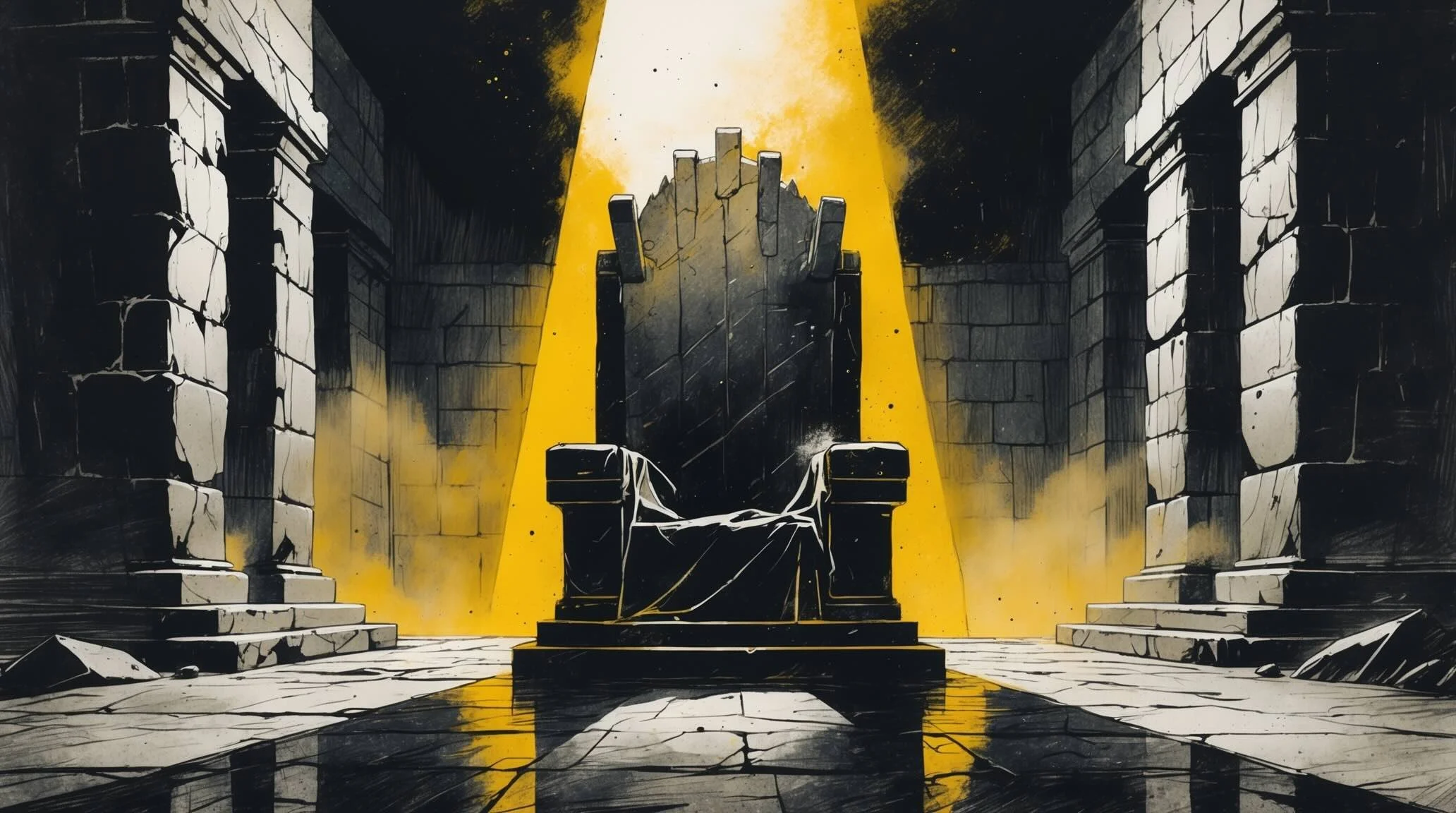
The Witches foretell; Macbeth chooses. Prophecy, equivocation, and a crown.
Read More
James Anthony James Anthony

Guilt and Paranoia

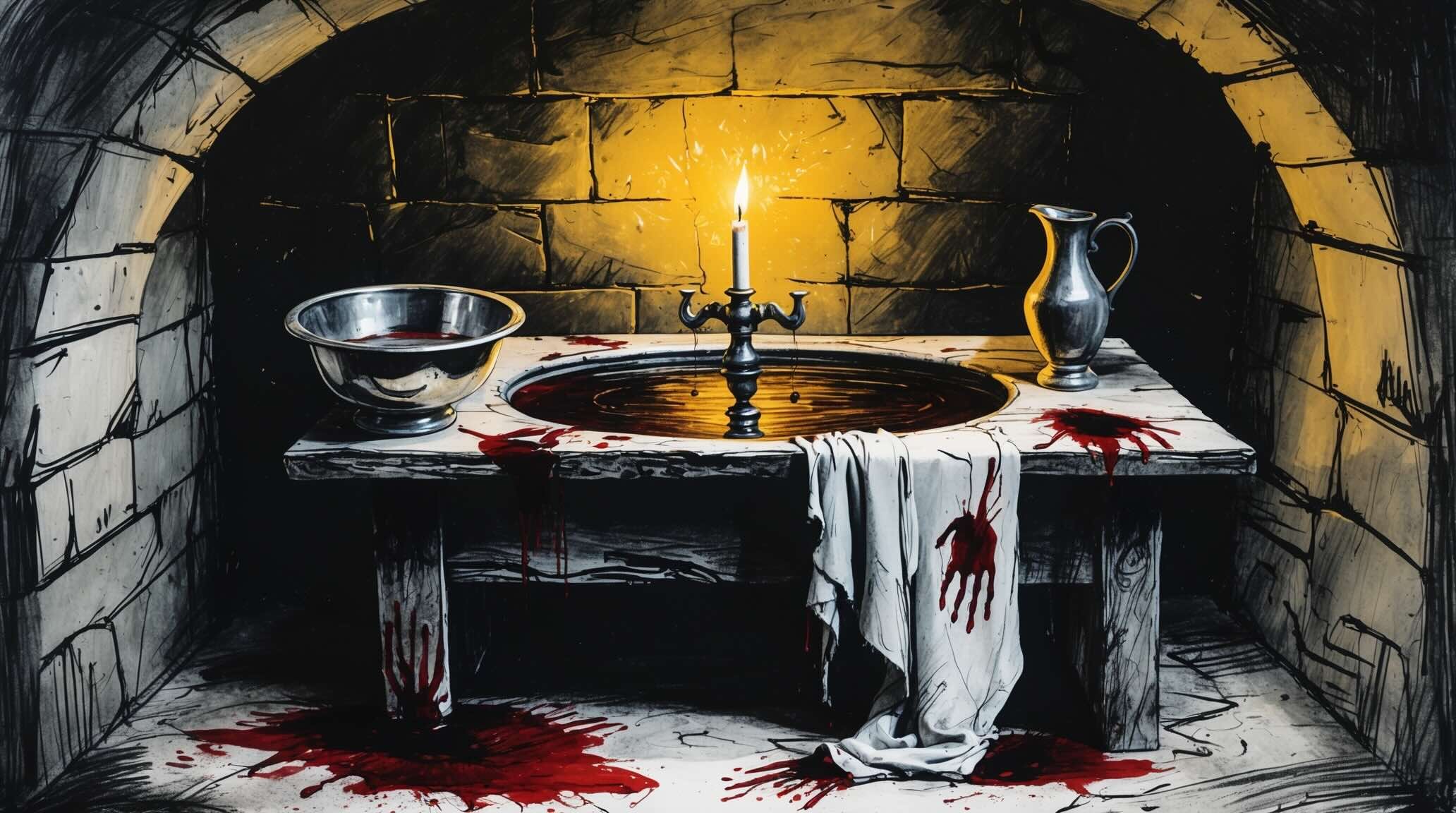
Sleeplessness, blood that will not wash, and Banquo's ghost: the Macbeths' undoing.
Read More
James Anthony James Anthony

The Supernatural

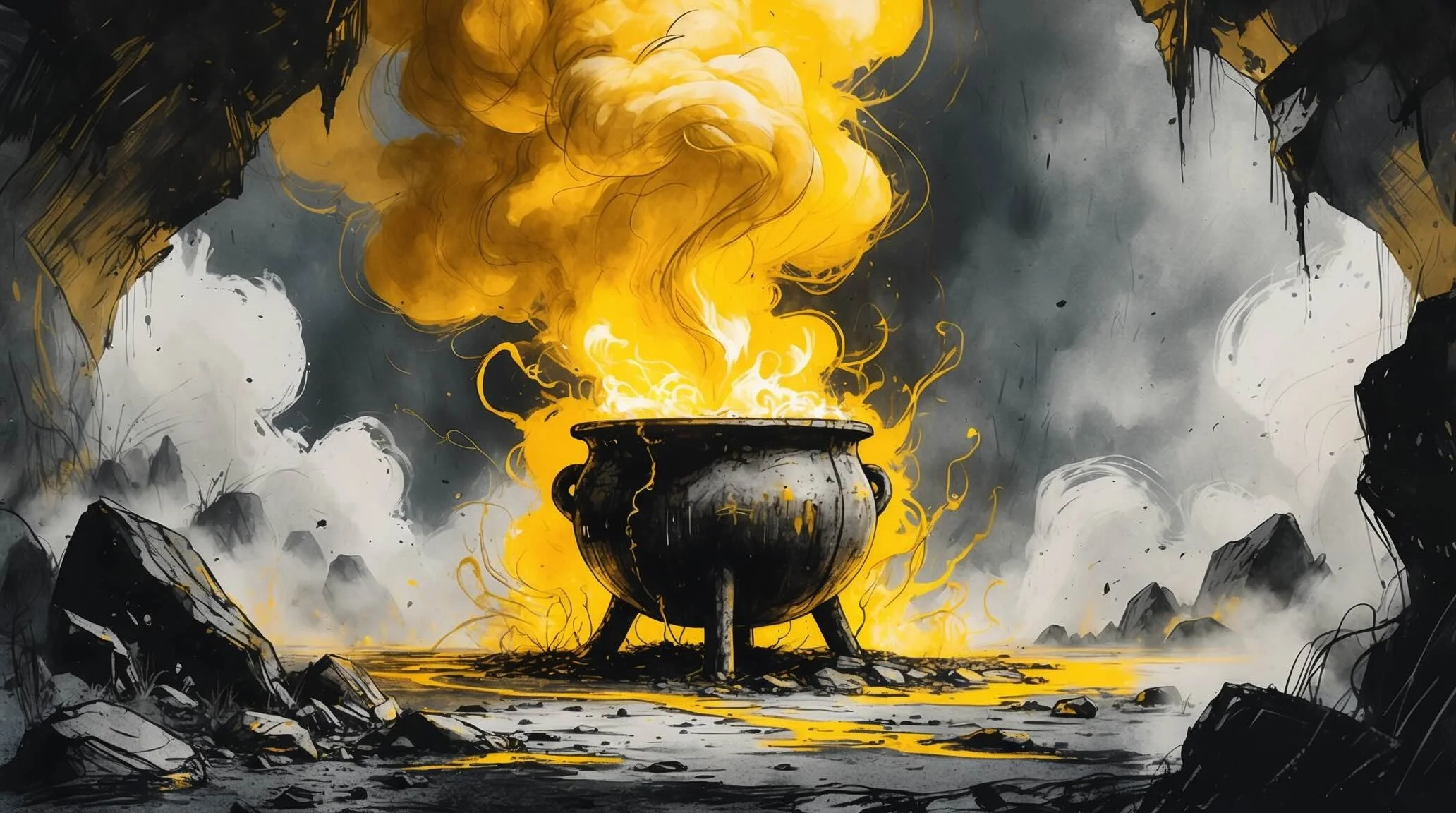
The Witches, the dagger, Banquo's ghost, and the prophecies that destroy Macbeth.
Read More

Macbeth Themes — Frequently Asked Questions

What are the main themes in Macbeth?
Macbeth has seven major themes, and each has its own in-depth guide. Power and Ambition is the engine of the play – the desire for the crown that drives Macbeth to murder. Fate vs Free Will asks whether the Witches' prophecies cause events or whether Macbeth chooses his own path. Guilt and Paranoia follows the conscience the Macbeths cannot silence and the fear that spreads after the first murder. The Supernatural covers the Witches, the floating dagger, Banquo's ghost and the apparitions. Tyranny vs Kingship contrasts good, lawful kings with Macbeth the tyrant. Masculinity and Cruelty looks at how the play ties being "a man" to being willing to kill. Appearance vs Reality is about a world where loyal faces hide murderous hearts. Each guide explains what the theme means, where it appears in the play, and what it tells us about the tragedy.
How does Shakespeare present ambition in Macbeth?
Ambition is the force that drives the whole tragedy, and the play treats it as Macbeth's fatal flaw. He is a brave, respected soldier, but once the Witches promise him the crown he cannot let the idea go. In his A1S7 soliloquy he admits he has no real reason to kill Duncan except "vaulting ambition", and his wife pushes him over the edge. The cruel irony is that getting the crown brings him no peace: he is more frightened and more alone as king than he ever was as a subject. See Power and Ambition in Macbeth for the full analysis.
Is Macbeth controlled by fate or free will?
This is the play's biggest question, and Shakespeare leaves it open. The Witches truly predict that Macbeth will be king, but they never tell him to murder Duncan – that choice is his. Banquo hears the same prophecies and does nothing wrong. The prophecies in A4S1 ("none of woman born", Birnam Wood) come true, but only because Macbeth misreads them and acts on his own. So the play can be read as fate, as free will, or as the unsettling place where the two meet. See Fate vs Free Will in Macbeth for the full analysis.
How are guilt and paranoia shown in Macbeth?
Neither Macbeth nor Lady Macbeth can escape their conscience. Right after killing Duncan, Macbeth imagines a voice crying "Macbeth does murder sleep" and feels that all the ocean could not wash the blood from his hands (A2S2). His guilt turns into paranoia: he has Banquo killed, sees his ghost at the feast (A3S4), and murders more to feel safe. In a striking reversal, the once-fearless Lady Macbeth is destroyed by guilt, sleepwalking and trying to wash an invisible stain in A5S1. See Guilt and Paranoia in Macbeth for the full analysis.
What is the role of the supernatural in Macbeth?
The supernatural runs all the way through the play. The three Witches open it with "Fair is foul, and foul is fair" and set the plot moving with their prophecies. A floating dagger leads Macbeth to Duncan's room, Banquo's ghost appears at the feast, and the Witches show him apparitions in A4S1. A key question is whether these things are real spirits or whether they come from Macbeth's own mind and desires. See The Supernatural in Macbeth for the full analysis.
How does Macbeth contrast tyranny and kingship?
The play sets good kingship against tyranny. Duncan is a gentle, lawful king, and in A4S3 Malcolm lists the "king-becoming graces" – justice, mercy, truth – that a real ruler should have. Macbeth is the opposite: he seizes the throne by murder and rules through fear, so that Scotland becomes a suffering, bleeding country. Order is only restored when Macbeth is overthrown and the rightful king is crowned. See Tyranny vs Kingship in Macbeth for the full analysis.
What does Macbeth say about masculinity?
The play repeatedly links being "a man" with being willing to kill. Lady Macbeth attacks Macbeth's manhood to push him into murder, telling him that "when you durst do it, then you were a man" (A1S7), and she asks the spirits to "unsex" her so she can be cruel enough to help. Against this, Macduff offers a different idea of manhood: told to take his family's murder "like a man", he insists he must also "feel it as a man" (A4S3). See Masculinity and Cruelty in Macbeth for the full analysis.
How does appearance vs reality work in Macbeth?
From the very first scene, Macbeth is a world where things are not what they seem. The Macbeths smile at Duncan while planning his murder, coaching each other to "look like the innocent flower, but be the serpent under't" (A1S5). The Witches deal in equivocation – telling the truth in a way designed to mislead – and the drunken Porter jokes about exactly this. Macbeth only sees how he has been tricked when it is far too late. See Appearance vs Reality in Macbeth for the full analysis.