
Home → Plays → Richard III → Characters
Richard III: Characters
Richard III character analysis for all 8 main characters – Richard III, Lady Anne, Queen Elizabeth, the Duke of Buckingham, Richmond, Queen Margaret, King Edward IV, and George, Duke of Clarence. Each profile explores the character's psychology, motivation, and structural role within the play, supported throughout by a modern verse translation and key quotes. A complete character study guide and revision resource for GCSE, A-Level, AP English, IB, and undergraduate Shakespeare – equally useful to teachers and actors. Select a character below to begin.
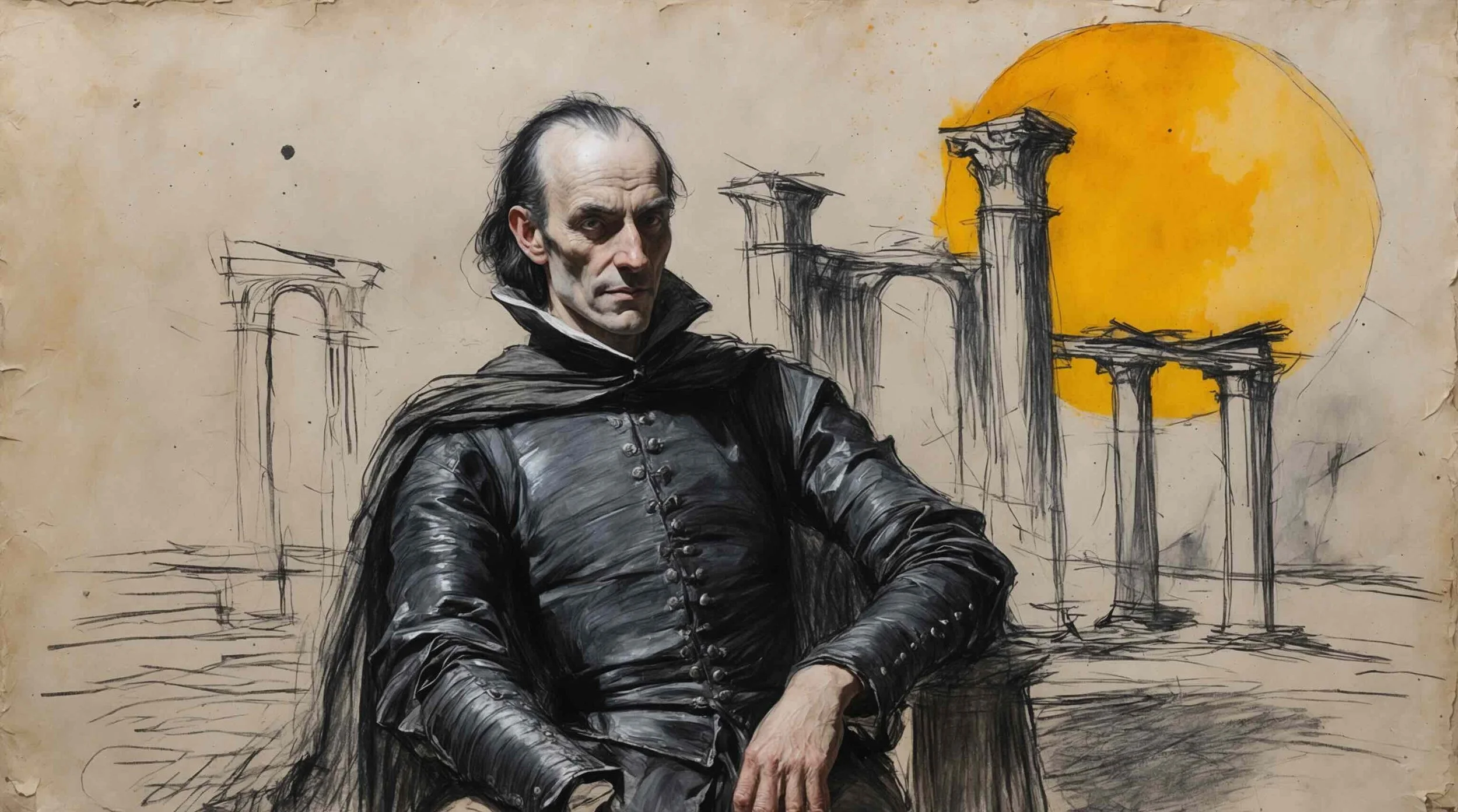
Richard III
The Duke of Gloucester who murders his way to the throne and tells the audience every step.
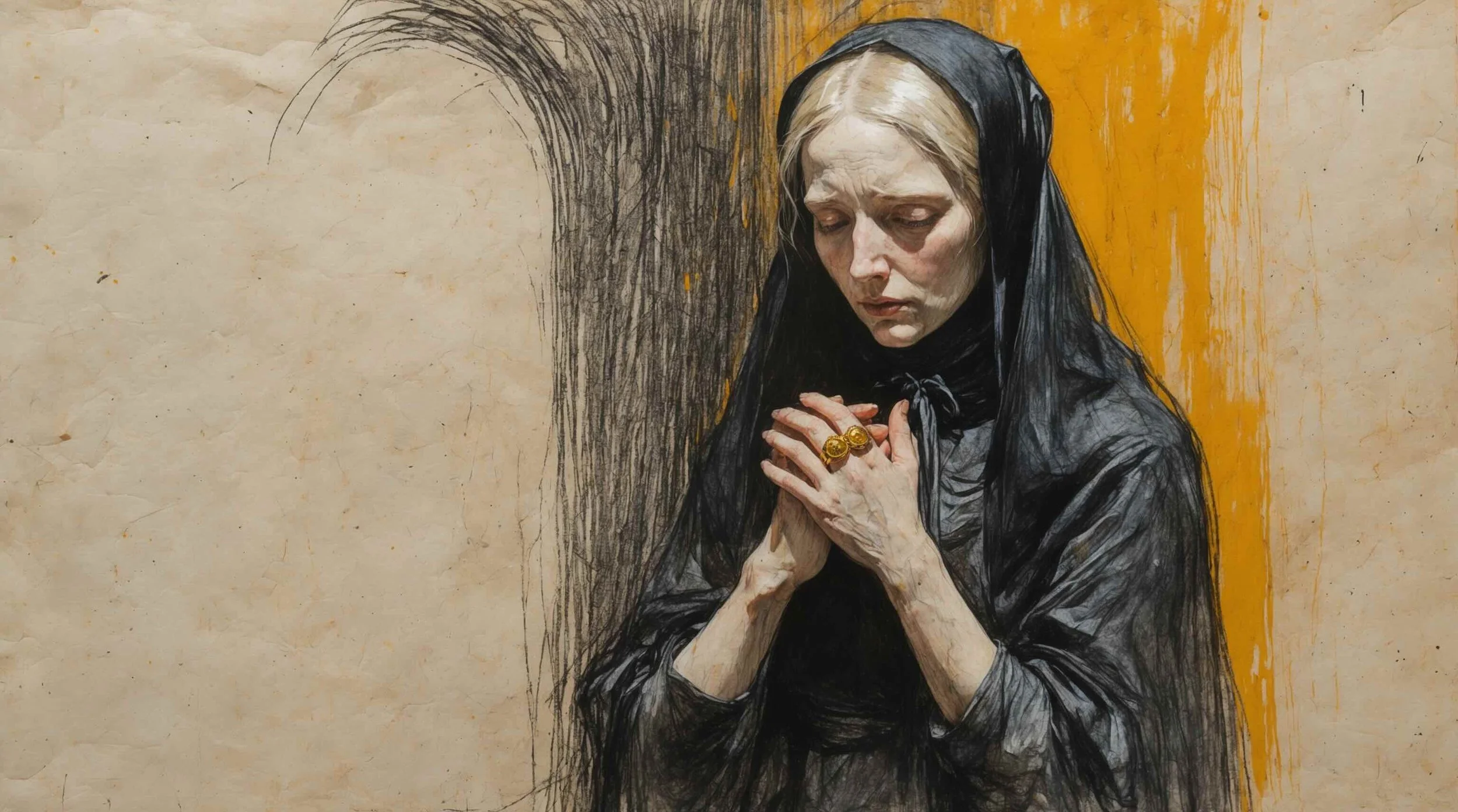
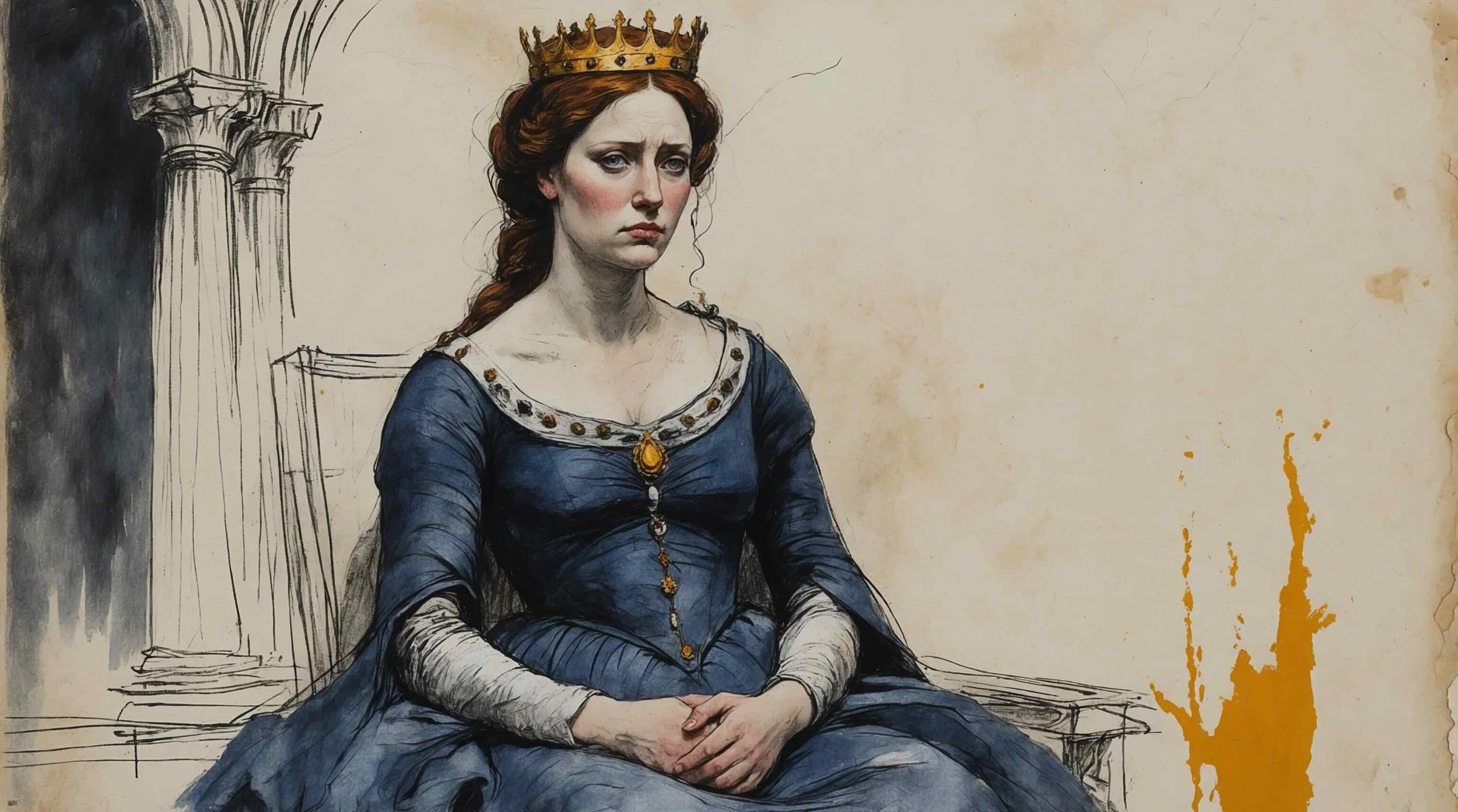
Queen Elizabeth
Edward IV's queen, who loses her husband, brothers and sons to Richard and out-argues him at last.
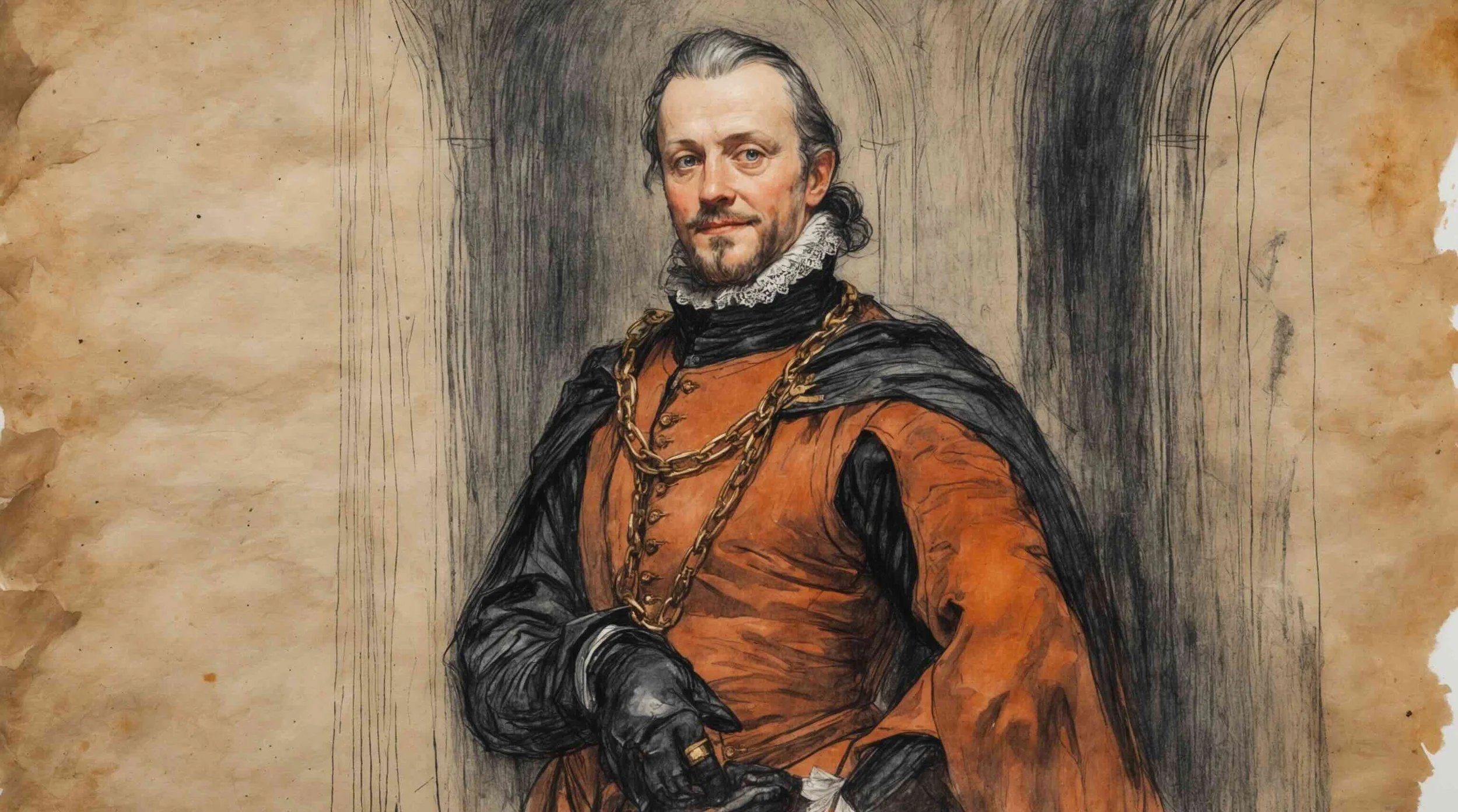
The Duke of Buckingham
The kingmaker who carries Richard to the crown and is destroyed the moment he hesitates.
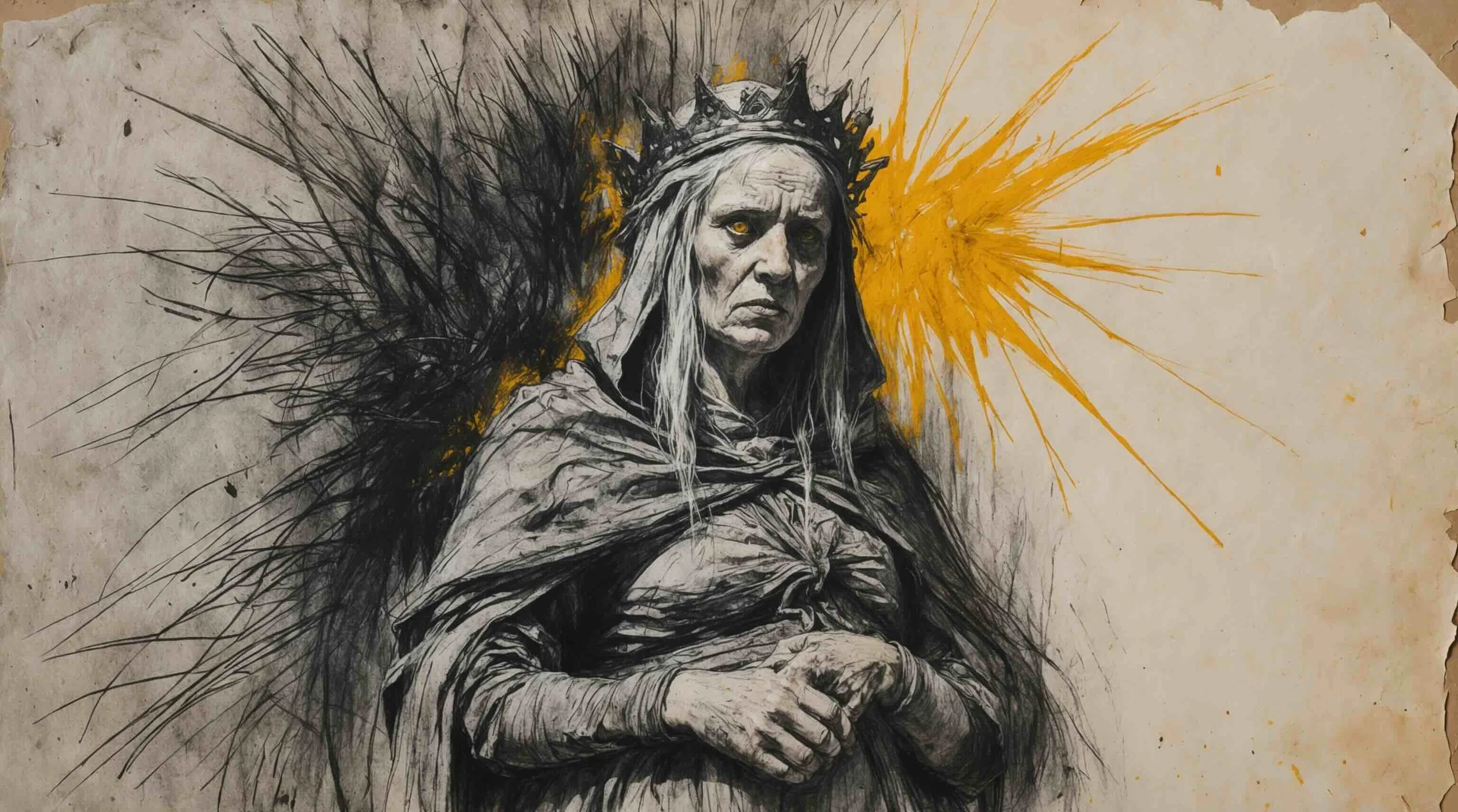
Queen Margaret
Henry VI's widow, banished and present anyway, whose curses on the Yorkist court all come true.
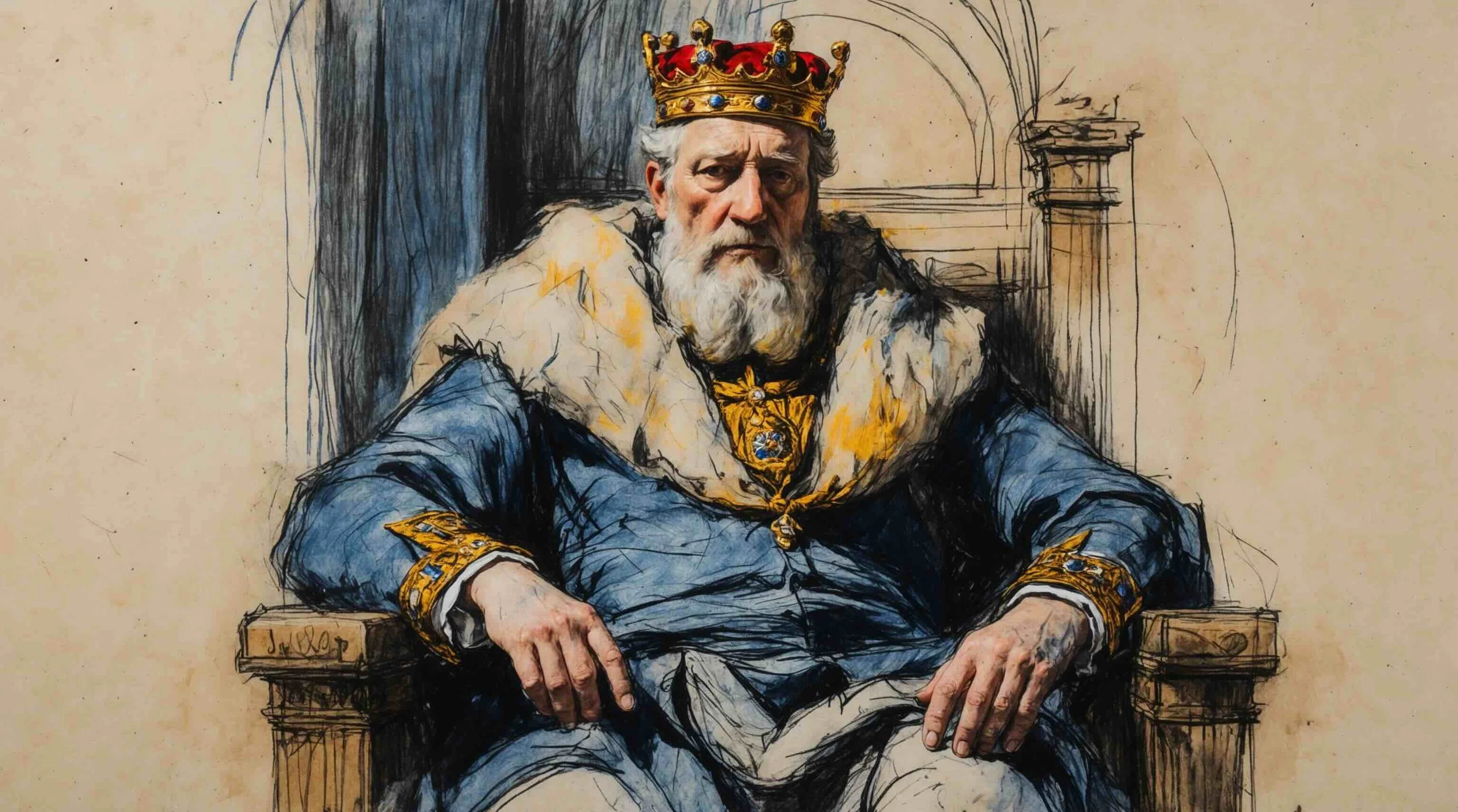
King Edward IV
The dying York king whose false peace and guilt over Clarence leave the field to Richard.
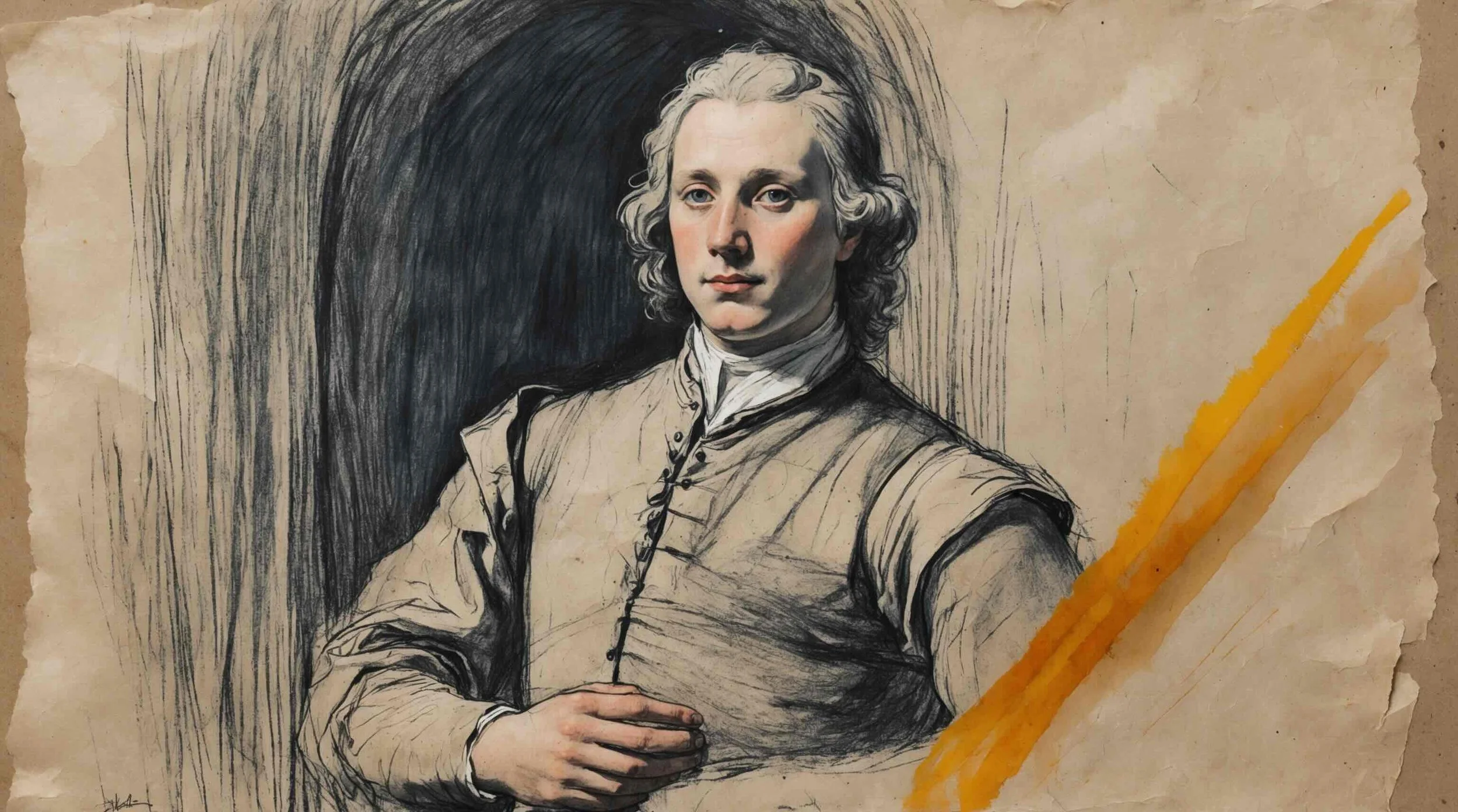
George, Duke of Clarence
The trusting middle brother, imprisoned on a planted prophecy and murdered in the Tower.
Supporting Cast
Beyond the eight figures who carry the main action, Richard III fills the stage with a whole court and a whole city – the Queen's upstart relatives, the old nobility, Richard's household men, the churchmen who are talked into things, the Londoners who watch, and the exiles who return. The wider cast is grouped below by allegiance and function.
The House of York
The Duchess of York
Mother of Edward, Clarence and Richard, and grandmother to the royal children. She is blunt, formidable and entirely without illusions about her youngest son: in A2S2 she calls him a deep vice hidden behind a virtuous visor, and in A4S4 she stops him on the road to battle and curses him to a bloody end. Her grief is the oldest in the play after Margaret's, and she says so.
Edward, Prince of Wales
The elder of the two princes, twelve years old when his father dies and king in name for a few weeks. He arrives in London in A3S1 serious, precocious and suspicious of the uncle who has arrested his mother's relatives, and asks pointed questions about who built the Tower. He is lodged there, and never seen again. Tyrrel reports his murder in A4S3.
Richard, Duke of York
The younger prince, sharp-tongued, funny and far less guarded than his brother. In A3S1 he teases his uncle about his dagger and his hump, and Richard, for once, is the one being mocked. His mother tries to keep him in sanctuary; Buckingham argues him out of it. He dies with his brother in the Tower, the two boys smothered as they slept.
Edward and Margaret Plantagenet
Clarence's two young children, brought up at court and old enough to ask awkward questions. In A2S2 the boy explains that his uncle Gloucester wept and kissed him and promised to be a father to him, and their grandmother cannot tell them the truth. Richard later locks the boy up and marries the girl to a poor man so that neither can be a threat.
The Queen's Kindred
Earl Rivers
Queen Elizabeth's brother and the most cultivated of the Woodvilles. Richard hates him as the type of the new men raised by the King's marriage, quarrels with him openly in A1S3, and has him seized on the road from Ludlow. He is executed at Pomfret in A3S3, remembering Margaret's curse as he goes, and returns as a ghost to tell Richard to despair and die.
The Marquess of Dorset
Queen Elizabeth's elder son by her first marriage, raised to a marquessate by his stepfather the King. Margaret sneers at his "fire-new stamp of honour" in A1S3. When the princes are taken he flees, at his mother's urging, to Richmond in Brittany, and is one of the names Richard counts among the rebels in Act 4.
Lord Grey and Sir Thomas Vaughan
Dorset's younger brother and the knight who attends the Prince at Ludlow. They are arrested with Rivers in A2S4 and die with him at Pomfret, three men executed without trial to clear the road to the Tower. Their ghosts join the procession in A5S3, Vaughan telling Richard to let fall his lance.
Lords and Councillors
Lord Hastings
Lord Chamberlain and Edward IV's loyal friend, freed from the Tower as the play opens. He is genial, secure and no friend of the Queen's family, and he gloats when Rivers and Grey are taken. But he will not agree to setting aside Edward's sons, and in A3S4 Richard accuses him of treason over a dish of strawberries and has him beheaded before dinner. His last words remember Margaret.
Lord Stanley, Earl of Derby
A cautious, experienced nobleman married to Richmond's mother, which leaves him permanently suspect. He dreams in A3S2 that the boar has struck off his helmet, and Hastings laughs at him. Richard holds his son George hostage to guarantee his loyalty; Stanley sends secret word to Richmond, withholds his troops at Bosworth, and crowns the victor with the fallen crown.
The Duke of Norfolk and the Earl of Surrey
Father and son, and the steadiest soldiers in Richard's army. Norfolk commands the vanguard at Bosworth and finds a rhyme pinned to his tent warning that his master is bought and sold; he fights anyway and dies. Surrey serves at his father's side. They are the loyalty Richard has left when every other kind has gone.
Richard's Men
Sir William Catesby
A lawyer in Richard's service, discreet and useful and rarely far from the room where things are decided. He sounds out Hastings on Richard's behalf in A3S2, keeps the door at Baynard's Castle in A3S7, and is the man Richard tells to spread the rumour that Queen Anne is sick. At Bosworth he offers the King a horse and is called a slave for his trouble.
Sir Richard Ratcliffe and Lord Lovel
Two of Richard's household intimates, at his side throughout and asking him nothing. Ratcliffe presides over the executions at Pomfret and is the first man Richard speaks to after the dream of ghosts. Lovel carries Hastings' head to the Lord Mayor. Between them they are the machinery of the reign: present, silent, and obedient.
Sir James Tyrrel
A gentleman of ruined fortune and flexible conscience, recommended to the King by a page in A4S2 as a man who would do anything for money. He arranges the murder of the princes, hires Dighton and Forrest to smother them, and returns in A4S3 with a report so tender that even the hired killers wept. He is the only character in the play who does Richard's worst deed and describes it.
The Two Murderers
Two hired men brought to the Tower in A1S4 to kill Clarence. The First is all appetite and bravado; the Second keeps finding that his conscience is still with him, and spends thirty lines of prose arguing with it before the job. Clarence nearly talks him round. After the stabbing he refuses his fee and wishes he had saved the Duke.
The Church
Cardinal Bourchier
Archbishop of Canterbury and the senior churchman in England: an elderly man of principle who can be argued out of it. In A3S1 he says he would not break sanctuary for all the land, and Buckingham talks him into fetching the young Duke of York from it within four lines. The play uses him to show how easily good men are recruited.
Thomas Rotherham, Archbishop of York
Lord Chancellor and keeper of the Great Seal, sympathetic to the Queen and out of his depth in a crisis. When news comes in A2S4 that Rivers and Grey have been arrested, he hands the Seal to Elizabeth and follows her into sanctuary – a loyal, unwise act that the play records and then forgets.
John Morton, Bishop of Ely
A shrewd, watchful churchman on Richard's council, better at reading a room than anyone else in it. In A3S4 Richard sends him out for strawberries so that Hastings can be destroyed in his absence; he later slips away to join Richmond, and Richard counts him among the rebels. Historically he was Thomas More's patron, and More's account of Richard – the source of the play – came through him.
Sir Christopher Urswick
A priest in Richmond's service and the go-between who carries word between Richmond and the English lords. In A4S5 Stanley gives him the two messages on which the ending turns: that his son is held hostage, and that the Queen has consented to her daughter's marriage with Richmond.
The Tower and the City
Sir Robert Brakenbury
Lieutenant of the Tower: a careful official, courteous to his prisoners, who would rather not know what his orders mean. He tries to stop Richard talking to Clarence in A1S1, hands over his keys to the murderers in A1S4, and refuses Queen Elizabeth access to her sons in A4S1. He dies fighting for Richard at Bosworth and is named among the dead.
The Lord Mayor of London
The City's chief magistrate: respectable, literal-minded, and flattered to be consulted by great men. In A3S5 Richard and Buckingham perform their terror at Hastings' treason for his benefit, and in A3S7 he leads the citizens who beg Richard to take the crown. He believes what he is shown, and the play needs a man who will.
The Citizens
Three Londoners who meet in the street in A2S3 to trade the news of the King's death. They have no power and no illusions, and between them they predict the whole play: a child king, a divided court, and trouble to come. Later, at the Guildhall, the citizens as a body refuse to cheer for Richard, and Buckingham has to supply the applause himself.
The Scrivener
A professional copyist who appears alone in A3S6 with the indictment of Hastings, which he was given to write out before Hastings was accused. He has worked out the arithmetic and says so to the audience: the paper took eleven hours to write, and Hastings was alive and free five hours ago. He is the play's plainest witness that everyone can see, and no one will speak.
Richmond's Camp
The Earl of Oxford, Sir James Blunt and Sir Walter Herbert
Richmond's captains: a veteran Lancastrian commander and the lords who bring their followers over as the march goes on. They stay with Richmond in his tent in A5S3 while he draws the battle plan, and Blunt carries his letter to Stanley by night. They are given almost no individual lines, which is the point: Richmond's army is a cause, not a set of personalities.
Sir William Brandon
Richmond's standard-bearer at Bosworth. He is given the standard in A5S3 and is listed among the dead in A5S5 – the only man on the winning side the play names as killed.
The Ghosts
Eleven of Richard's victims – Prince Edward of Lancaster, Henry VI, Clarence, Rivers, Grey, Vaughan, Hastings, the two princes, Lady Anne and Buckingham – who pass between the two tents on the night before Bosworth. Each tells Richard to despair and die and wishes Richmond victory. They are the play's judgement, delivered in order of death.
Frequently asked questions about the characters in Richard III
Who are the main characters in Richard III?
The play has eight featured figures. Richard III is Richard, Duke of Gloucester, the play's protagonist and villain, who murders his way to the throne and dies at Bosworth. Lady Anne is the widow he woos over the corpse of Henry VI, marries, and disposes of. Queen Elizabeth is Edward IV's queen, who loses her brothers and sons to Richard and out-argues him at the last. The Duke of Buckingham is the ablest politician at court and the ally who carries Richard to the crown, until he hesitates.
Richmond is Henry Tudor, the exile who arrives in Act 5, kills Richard and becomes Henry VII. Queen Margaret is Henry VI's widow, banished and present anyway, whose curses on the Yorkist court all come true. King Edward IV is the dying king whose false peace and guilt over his brother open the play. George, Duke of Clarence is the trusting middle brother, imprisoned on a planted prophecy and murdered in the Tower.
Around them stands one of Shakespeare's largest casts – the Queen's kindred, the old lords, Richard's household men, the churchmen, the citizens of London and the ghosts – grouped in the Supporting Cast section above.
Who is the protagonist of Richard III, and is he a villain or a hero?
Richard III is both, which is the reason the play works. He opens it alone on stage with "Now is the winter of our discontent", tells the audience within thirty lines that he is "I am determined to prove a villain", and then spends four acts confiding every plan to us before he plays it. No other Shakespearean protagonist speaks so directly to the audience or so often, and no other villain is so much fun.
The play then takes the fun away. Once Richard is crowned in Act 4 the soliloquies shrink, the jokes stop, and the audience is moved, almost without noticing, from his side to the side of his victims. On the night before Bosworth the ghosts of everyone he has killed file through his tent, and he wakes to argue with himself – "Richard loves Richard, that is, I am I." – in the play's one moment of self-division. By morning he has decided that conscience is a word for cowards, and he dies fighting.
William Hazlitt, in 1817, called him "a royal usurper, a princely hypocrite, a tyrant and a murderer of the house of Plantagenet", and said of the play that it belongs to the theatre rather than the closet. Whether he is a Vice, a Machiavel or a tragic hero is one of the best essay questions the play offers, and the answer is usually all three at different moments.
See Richard III for the full analysis.
How do the three York brothers – Edward, Clarence and Richard – relate to each other?
They are the play's first family and its first crime. King Edward IV is the eldest, on the throne as the play opens and already dying; his marriage to a commoner has divided the court, and his one scene is spent making his quarrelling nobles swear a friendship none of them means. George, Duke of Clarence is the middle brother, warm and credulous, who begins the play under arrest because his name begins with G – "Because my name is George." – and never suspects that the prophecy was planted by the brother consoling him.
Richard III is the youngest, and he has arranged everything. He sets Edward against Clarence with rumours, promises Clarence his freedom, sends the murderers to the Tower, and then, at Edward's deathbed, announces Clarence's death with a show of outrage. Edward's grief-stricken speech asking why no one pleaded for his brother is the play's first real expression of guilt; Clarence's dream of drowning, "O Lord, methought what pain it was to drown!", is its first nightmare. Both brothers are dead by Act 2, and Richard is the only York left standing.
See King Edward IV and George, Duke of Clarence for the full analysis.
Who are the women in Richard III, and why do they matter?
Four women carry most of the play's moral weight, and none of them can act. Lady Anne curses Henry VI's killer over his coffin, is wooed by him in the same scene, and marries him; her own summary in Act 4 is that she became the subject of her own curse. Queen Elizabeth loses a husband, a brother, two sons and a crown, learns to curse from Margaret, and then out-talks Richard when he asks for her daughter – a second wooing that goes the other way. Queen Margaret is the widow of Henry VI, historically dead before the play begins, whom Shakespeare brings back to curse the Yorkist court in Act 1 and inspect the results in Act 4. The Duchess of York is Richard's mother, and the only person who curses him to his face.
The women see everything and prevent nothing, and the play is exact about that. Their curses come true; their laments keep the count of the dead; and in the end it is Elizabeth's daughter, married to Richmond, who founds the dynasty that replaces Richard's. Richard's question after winning Anne – "Was ever woman in this humour wooed?" – is the play's question about all of them: how much can eloquence do against a man with an army?
See Lady Anne, Queen Elizabeth and Queen Margaret for the full analysis.
What is Buckingham's role in the play?
The Duke of Buckingham is the kingmaker. He is the one man at court who can do what Richard cannot – be believed – and he manages every stage of the rise: the arrest of the Queen's relatives on the road from Ludlow, the argument that talks the Cardinal into breaking sanctuary, the speech at the Guildhall, and the show at Baynard's Castle where Richard appears between two bishops and has to be begged three times to take the crown.
Then Richard asks him to kill the two princes, and Buckingham asks for a moment to think. Richard hears the pause as refusal, refuses him the earldom he was promised – "I am not in the giving vein today" – and Buckingham is left alone asking "Made I him king for this?" He rebels, fails, and is executed on All Souls' Day, quoting the false oath he swore at Edward's bedside. He is the play's study of the enabler: the clever man who lends a tyrant his competence and discovers that a kingmaker has no protection from the king he made.
See The Duke of Buckingham for the full analysis.
Who is Richmond, and why does he only appear in Act 5?
Richmond is Henry Tudor, Earl of Richmond, the last Lancastrian claimant, in exile in Brittany since boyhood. He is talked about for four acts – in a prophecy of Henry VI's that Richard remembers, in messengers' reports that he is on the seas, in Richard's anxiety to marry Elizabeth's daughter before he does – and he speaks for the first time in A5S2. He prays, sleeps well, is blessed by the ghosts who curse Richard, gives an oration built on God and good cause, kills Richard at Bosworth, and closes the play by announcing his marriage to Elizabeth of York and the union of the white rose and the red.
He is kept offstage because his function is to end the play, not to be in it. Richard has all the play's wit, and a hero who shared the stage with him for three acts would be shown up; arriving late, Richmond is simply the ending. E. M. W. Tillyard, in 1944, argued that this passivity was "inevitable in the sort of drama Shakespeare was writing" – a drama of providence, in which God's instrument must not compete with God's plan. Whether the audience prefers the instrument to the man he kills is a question the play leaves open.
See Richmond for the full analysis.
Who are the princes in the Tower?
Edward, Prince of Wales, and Richard, Duke of York: the two sons of King Edward IV and Queen Elizabeth, aged twelve and nine when their father dies. The elder is briefly Edward V, king in name; the younger is taken from sanctuary by Buckingham's argument that a child cannot claim it. Both are lodged in the Tower by their uncle Richard III, who has their legitimacy publicly denied and then, once crowned, has them murdered. The citizens in A2S3 have already seen it coming: "Woe to that land that’s governed by a child!"
The boys have one scene together, A3S1, and it is one of the play's best: the elder grave and suspicious, the younger sharp enough to tease Richard about his hump. Their deaths are reported, not shown, by Tyrrel in A4S3, in a speech so gentle that the hired killers are said to have wept. Their ghosts, speaking together, tell Richard to despair and die and wish Richmond a happy race of kings. Historically the princes disappeared in the summer of 1483 and their fate has never been proved; the play, following Thomas More, has no doubt.
See Queen Elizabeth and Richard III for the full analysis.
Who are the ghosts in Act 5, and what do they do?
On the night before Bosworth, eleven of Richard's victims pass between the two tents in the order in which they died: Prince Edward of Lancaster, Henry VI, George, Duke of Clarence, Rivers, Grey, Vaughan, Hastings, the two princes, Lady Anne and The Duke of Buckingham. Each tells Richard to despair and die, and each turns to Richmond with a blessing. Richard wakes in a sweat and interrogates himself; Richmond wakes refreshed and reports the sweetest sleep of his life.
The scene is the play's judgement, and it is built on the pattern that has run through every act: what is spoken comes true. Queen Margaret cursed each of these deaths in A1S3, and her victims remembered her as they died – "And say poor Margaret was a prophetess!" Hastings, Rivers and Buckingham all quote her at the end. The ghosts are the last stage of that machinery. They also settle, for one night, the question the play has kept open about Richard's conscience: he has one, it wakes him, and by morning he has talked it down again.
See Richard III for the full analysis.