HomePlaysOthello → Themes

Othello: Scene Analysis

Othello scene-by-scene analysis covering all 15 scenes — from Iago's midnight plotting in Act 1 to the murder of Desdemona and Othello's suicide in Act 5.

Each guide walks you through what happens in the scene, then analyses its key moments, language and techniques, with key quotes in the original and in modern verse.

A complete scene study guide and revision resource for GCSE, A-Level, AP English, IB, and undergraduate Shakespeare. Ideal for essay planning, exam preparation, and class discussion.

Select a scene below to begin.
Othello Scene Analysis — Frequently Asked Questions

What scenes are covered in this Othello scene analysis?
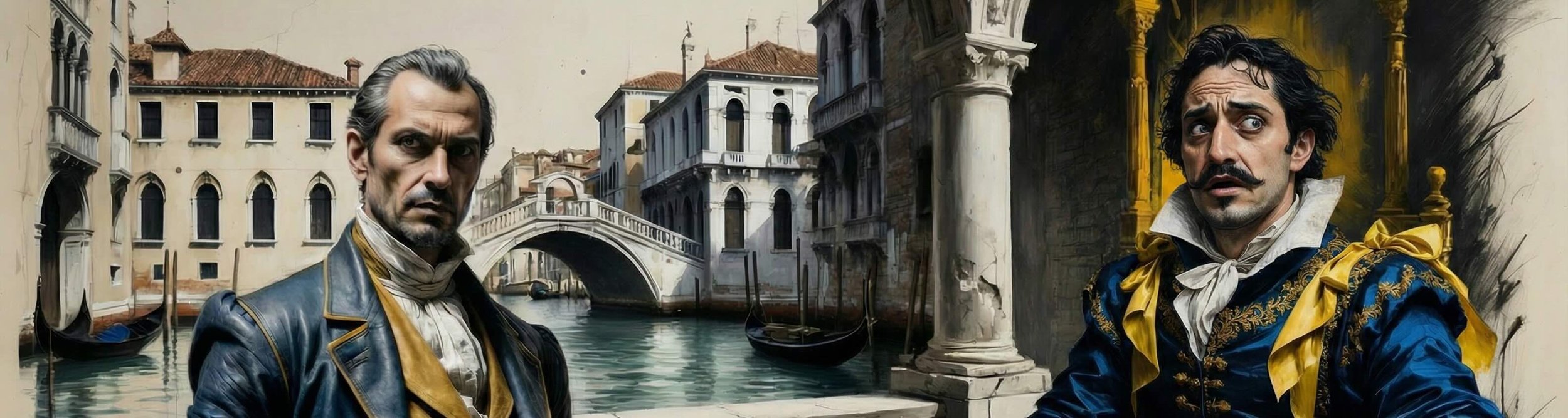
All 15 scenes of the play have their own full guide. Act 1: Act 1, Scene 1 (Iago wakes Brabantio), Act 1, Scene 2 (Othello's calm arrest), and Act 1, Scene 3 (the Senate scene). Act 2: Act 2, Scene 1 (the reunion at Cyprus), Act 2, Scene 2 (the herald's proclamation), and Act 2, Scene 3 (Cassio's drunken disgrace). Act 3: Act 3, Scene 1 (the clown and Cassio's plan), Act 3, Scene 2 (a short bridge), Act 3, Scene 3 (the temptation scene), and Act 3, Scene 4 (the handkerchief). Act 4: Act 4, Scene 1 (Othello's fit and the public blow), Act 4, Scene 2 (the brothel scene), and Act 4, Scene 3 (the willow scene). Act 5: Act 5, Scene 1 (the night ambush) and Act 5, Scene 2 (the murder and the end).
Why does Othello begin with Iago and Roderigo (Act 1, Scene 1)?
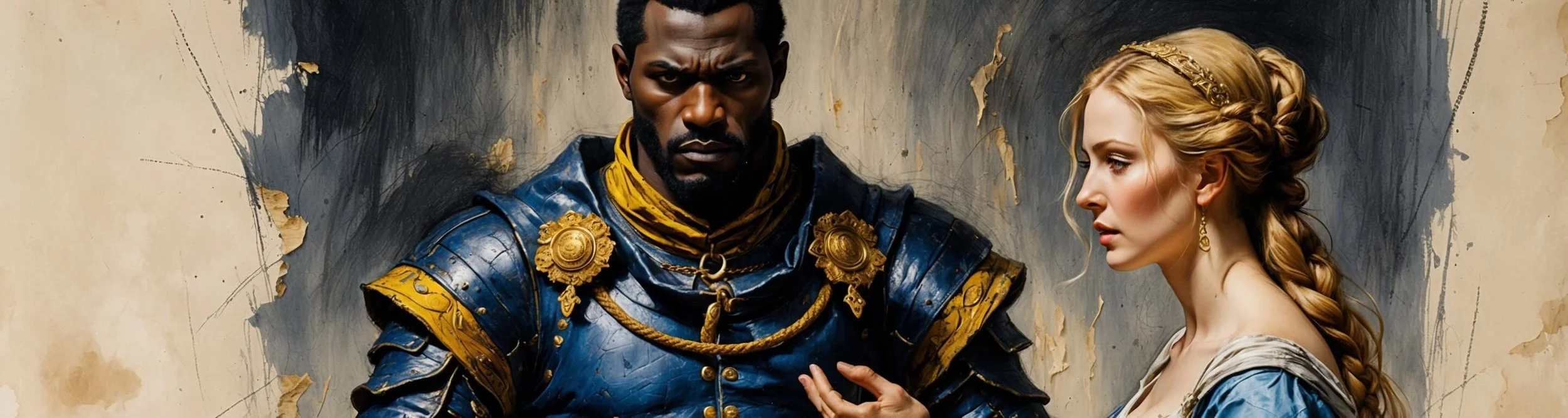
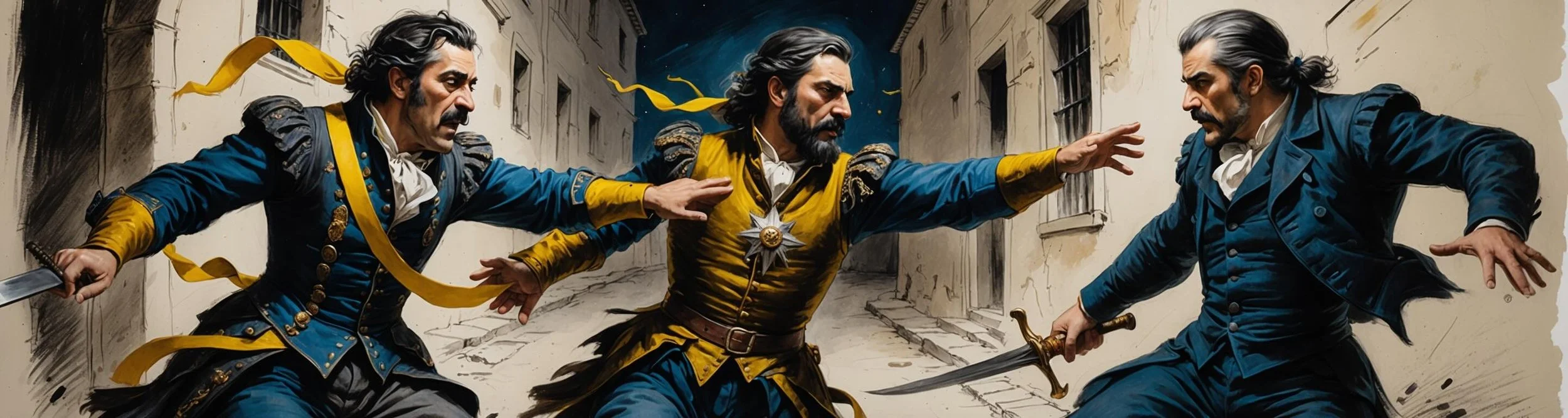
The play opens in the dark with two men who hate Othello, and he is not on stage. We hear him insulted as "the Moor" and "an old black ram" before we ever see him, so the audience meets Venice's prejudice first. Iago explains his grudge — Othello promoted Cassio instead of him — and shows his method by waking Desdemona's father with cries of "Thieves!". His line "I am not what I am" warns us he is lying to everyone but us. See Othello Act 1, Scene 1 for the full analysis.
What happens in the Senate scene (Act 1, Scene 3)?
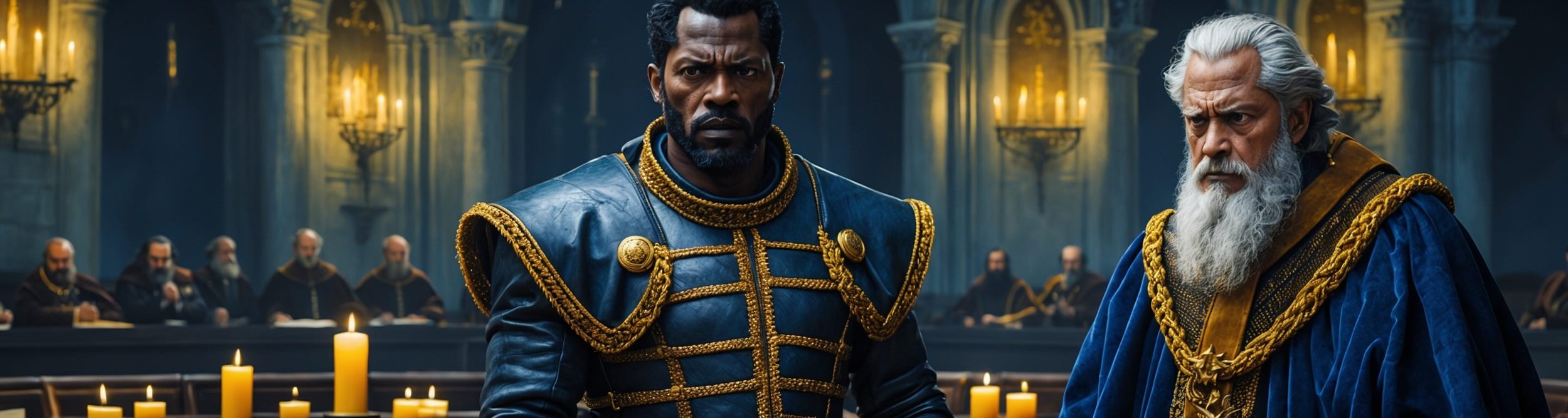
Brabantio accuses Othello of using witchcraft to win Desdemona, and Othello defends himself before the Duke. He explains that he wooed her simply by telling the story of his life, and Desdemona herself arrives and confirms she chose him freely, owing a "divided duty" to both father and husband. The Duke believes them and sends Othello to defend Cyprus. Left alone, Iago strings Roderigo along — "Put money in thy purse" — and reveals his plan in a soliloquy. See Othello Act 1, Scene 3 for the full analysis.
Why does Cassio lose his job (Act 2, Scene 3)?
Iago knows Cassio cannot hold his drink, so during the celebration he gets him drunk and sets Roderigo to provoke him. A brawl breaks out, the respected Montano is wounded, and Othello strips Cassio of his rank. Cassio is destroyed less by the loss of the job than by the shame: "Reputation, reputation, reputation! O, I have lost my reputation!" Iago, sounding like a friend, advises him to ask Desdemona to plead his case — the very move that lets the trap begin. See Othello Act 2, Scene 3 for the full analysis.
Why is Act 3, Scene 3 the most important scene in Othello?
It is the turning point: the scene where Iago destroys Othello's mind. Step by step he plants doubt about Desdemona and Cassio, warning Othello to "beware ... the green-eyed monster" of jealousy. Othello demands "the ocular proof", and Iago supplies it by having the dropped handkerchief planted on Cassio. By the end of the scene Othello has knelt and sworn to kill his wife. He walks in loving and trusting and walks out a murderer-in-waiting — all in one conversation. See Othello Act 3, Scene 3 for the full analysis.
What is the handkerchief scene (Act 3, Scene 4)?
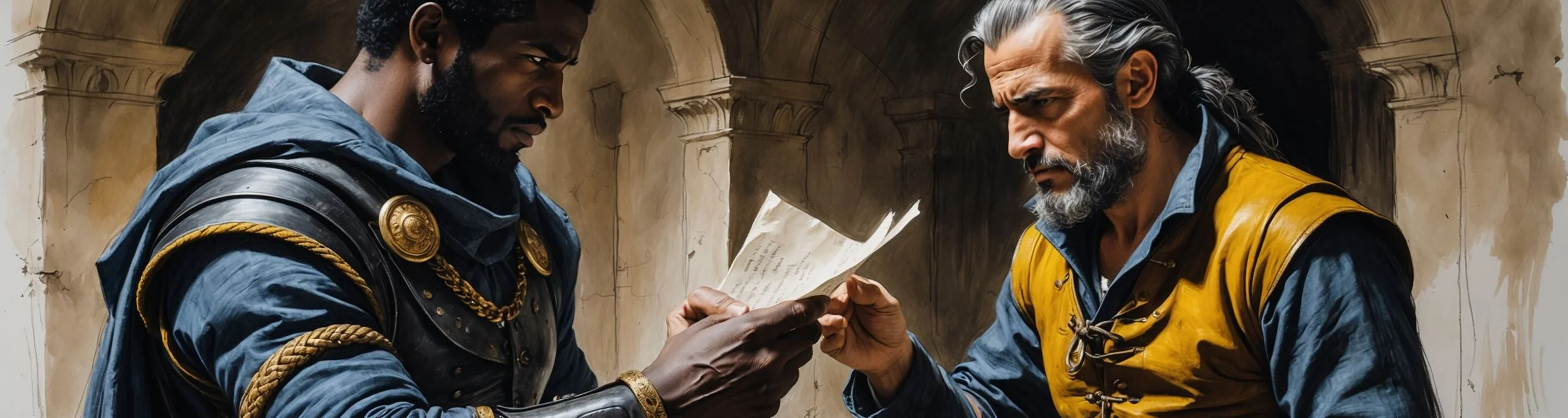
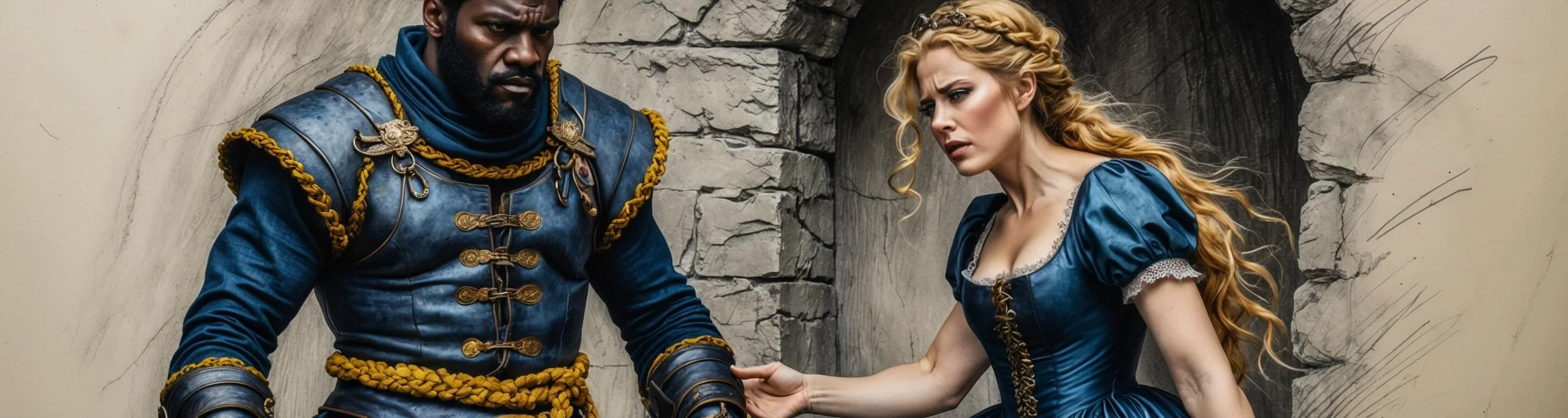
Othello asks Desdemona for the handkerchief he gave her — the one she has lost — and tells her a charged story that there is "magic in the web of it". She cannot produce it and, fatally, keeps pressing Cassio's case, which only feeds Othello's suspicion. Emilia watches and names the truth about jealous men: they are "not ever jealous for the cause, but jealous for they are jealous". The scene ends with the handkerchief passing to Cassio's lover Bianca, tightening Iago's trap. See Othello Act 3, Scene 4 for the full analysis.
What is the willow scene (Act 4, Scene 3)?
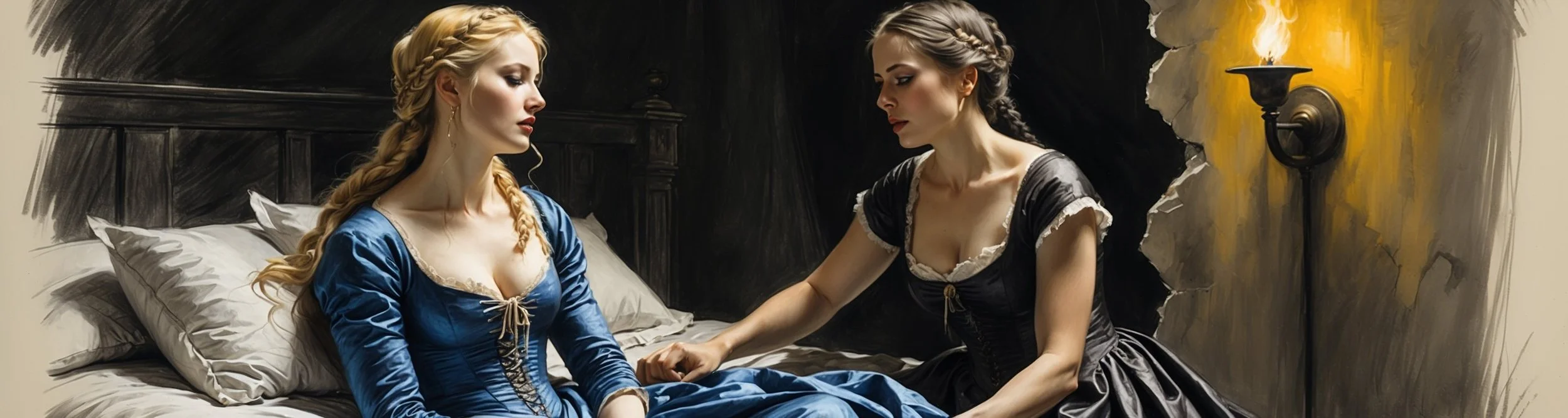
It is the quiet, sad scene before the murder, in which Desdemona prepares for bed with Emilia. Remembering her mother's maid who died of love, Desdemona sings the mournful Willow Song. The two women then talk about whether wives are ever unfaithful: Desdemona cannot imagine it, while Emilia argues bluntly that husbands are usually to blame and that wives have the same feelings as men. The tenderness makes the coming violence harder to bear. See Othello Act 4, Scene 3 for the full analysis.
What happens at the end of Othello (Act 5, Scene 2)?
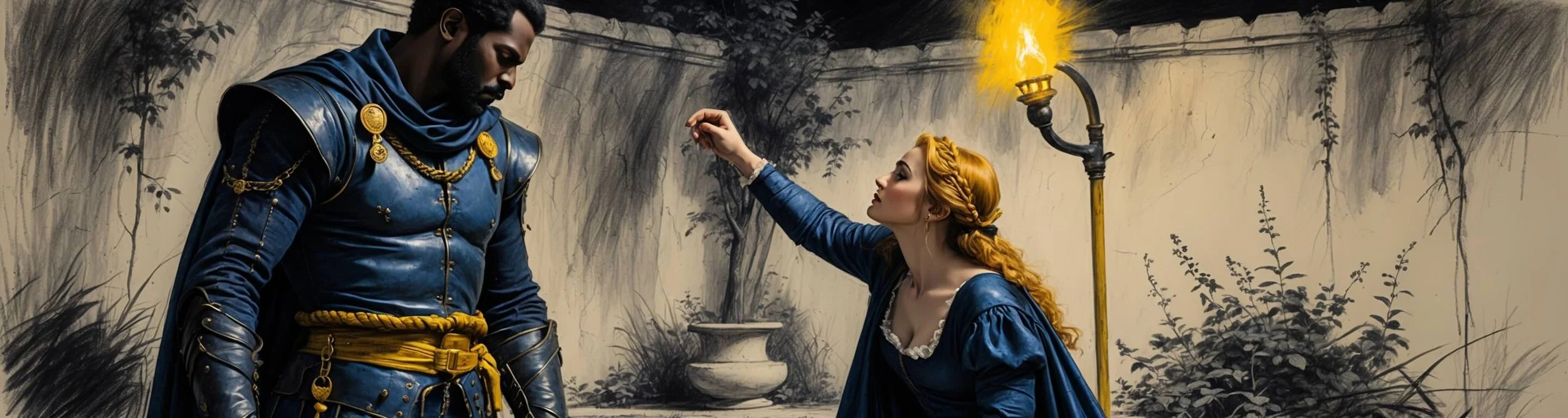
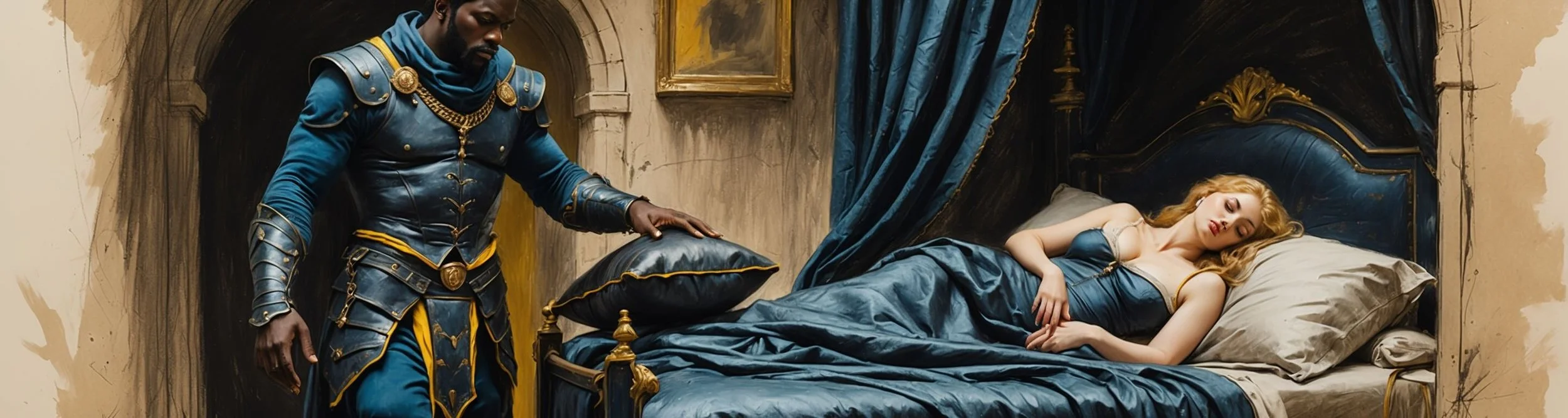
Othello enters Desdemona's bedroom with a candle, telling himself "It is the cause", and smothers her despite her innocence. Emilia breaks in, proves Cassio is alive, and exposes the truth of the handkerchief, denouncing both Othello and her own husband; Iago stabs her and is caught. Realising what he has done, Othello calls himself a man who "loved not wisely but too well" and kills himself, falling on a kiss. Iago is led away to be punished, silent to the last. See Othello Act 5, Scene 2 for the full analysis.