
Home → Plays → The Merchant of Venice → Themes
The Merchant of Venice: Scene Analyses
The Merchant of Venice scene-by-scene analysis covering the whole play – all twenty scenes across the five acts, from Antonio's mysterious sadness in a Venice street to the moonlit reconciliations at Belmont.
Each guide retells what happens in plain English, then analyses the scene's key moments, language and techniques, with the most important quotations shown beside their Shakespeare Retold modern verse.
A complete scene-by-scene study guide and revision resource for GCSE, A-Level, AP English, IB, and undergraduate Shakespeare. Ideal for close reading, essay planning, exam preparation, and following how the play balances comedy, romance and the bond plot scene by scene.
Select a scene below to begin.
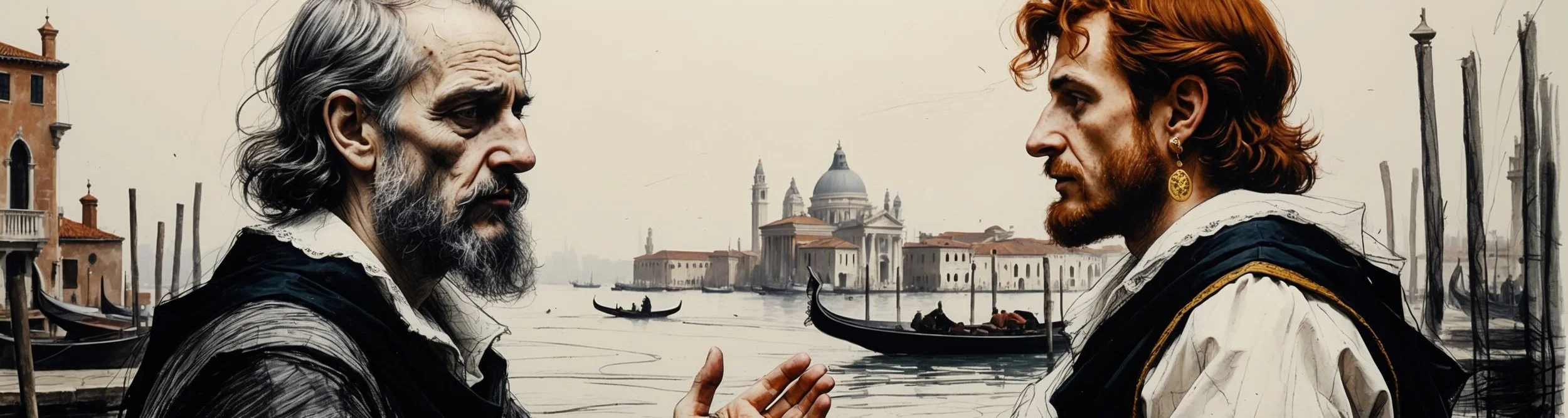
The Merchant of Venice: Act 1, Scene 1 – Analysis
Antonio confesses a mysterious sadness, then pledges his credit so Bassanio can court the wealthy Portia.
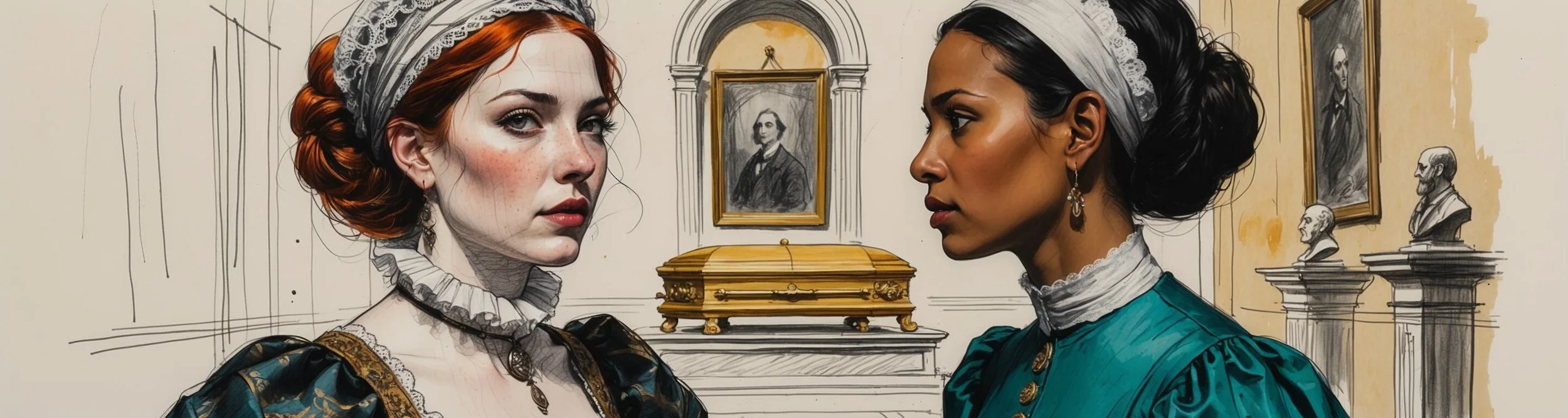
The Merchant of Venice: Act 1, Scene 2 – Analysis
Portia, bound by her dead father's casket test, mocks her foreign suitors and recalls Bassanio fondly.
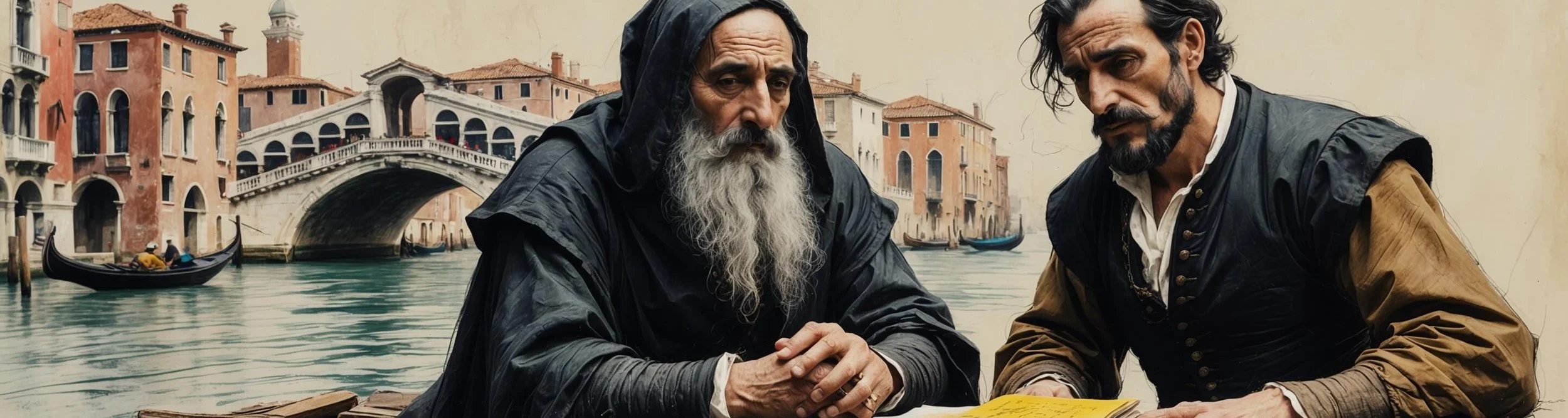
The Merchant of Venice: Act 1, Scene 3 – Analysis
Shylock lends to Antonio interest-free, but seals a deadly bond of a pound of flesh against the debt.

The Merchant of Venice: Act 2, Scene 1 – Analysis
The Prince of Morocco arrives at Belmont, defends his dark skin, and prepares to attempt Portia's casket test.
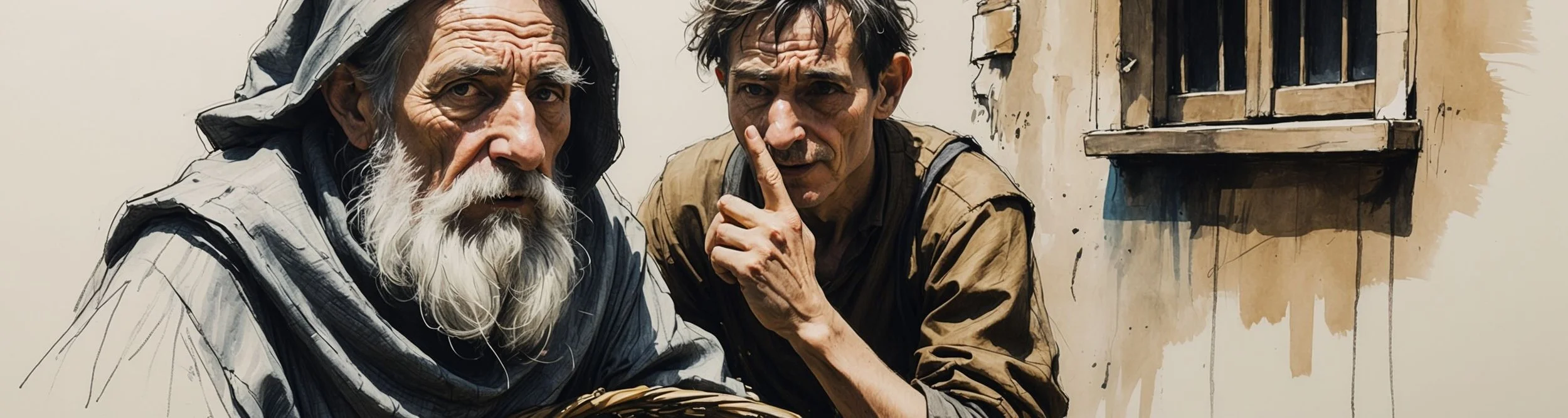
The Merchant of Venice: Act 2, Scene 2 – Analysis
Launcelot's comic conscience, his blind father, his move to Bassanio's service, and Gratiano's plea to join the voyage.

The Merchant of Venice: Act 2, Scene 3 – Analysis
Jessica bids Launcelot farewell, sends a secret letter to Lorenzo, and resolves to elope and convert.
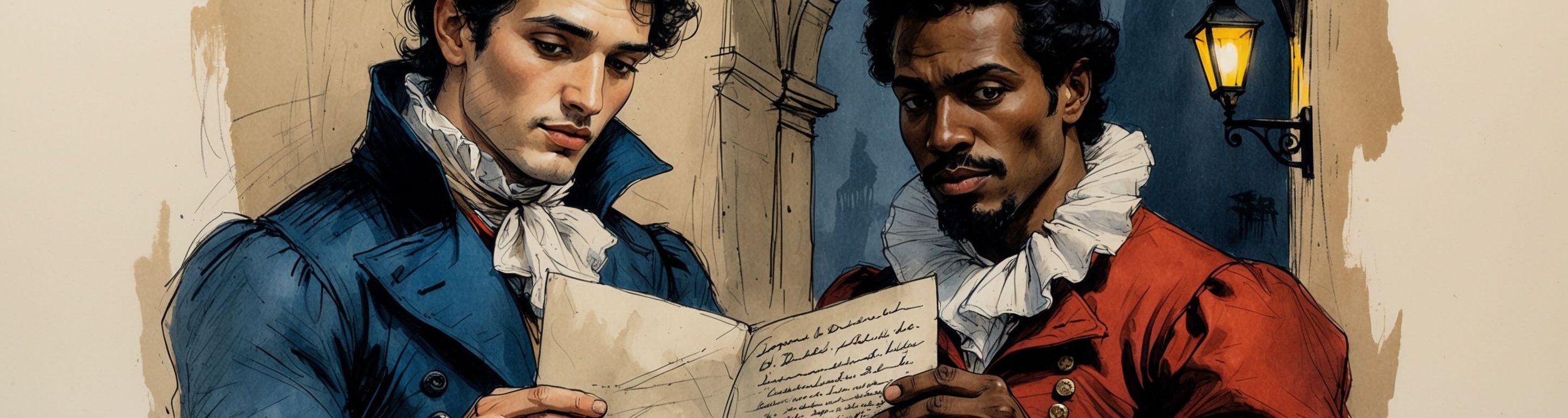
The Merchant of Venice: Act 2, Scene 4 – Analysis
Lorenzo receives Jessica's letter and reveals the elopement plan: her gold, her jewels, and her page disguise.
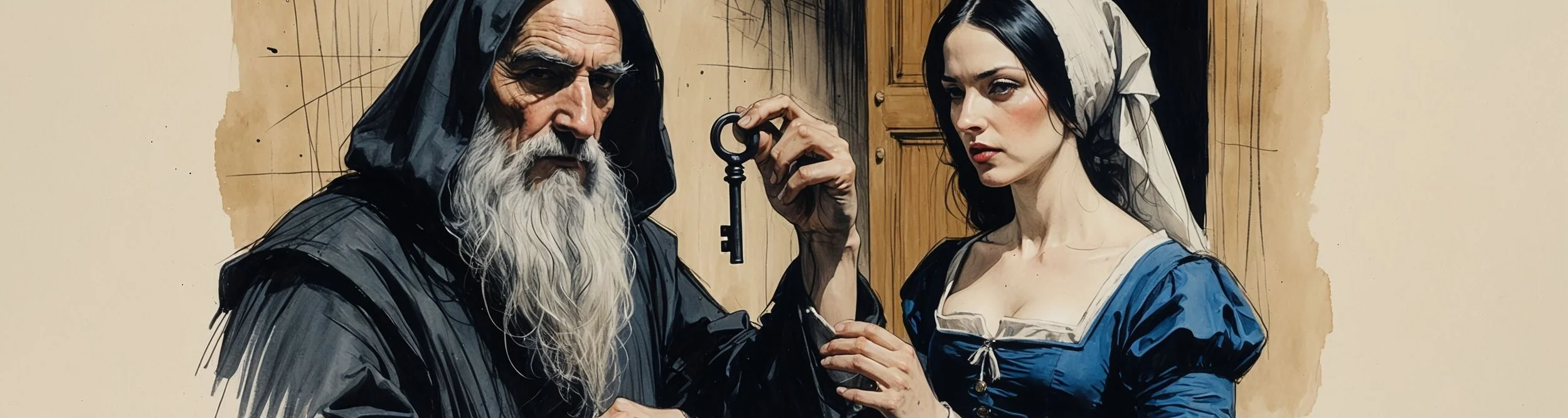
The Merchant of Venice: Act 2, Scene 5 – Analysis
Shylock leaves for supper and locks up his house, while Jessica quietly readies her elopement.
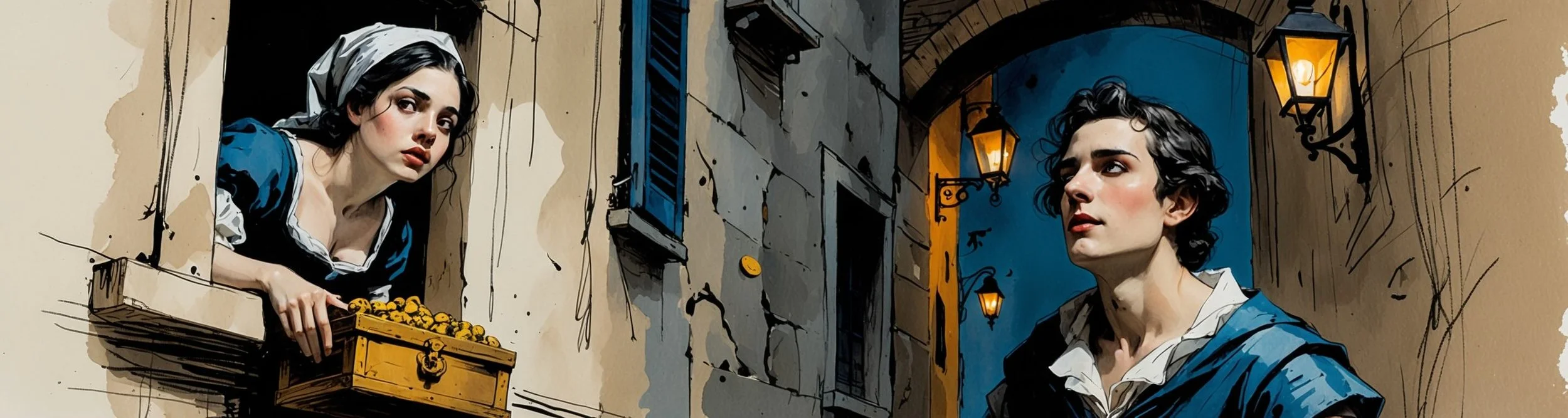
The Merchant of Venice: Act 2, Scene 6 – Analysis
Jessica elopes with Lorenzo by night, disguised as a boy and carrying her father's stolen gold.
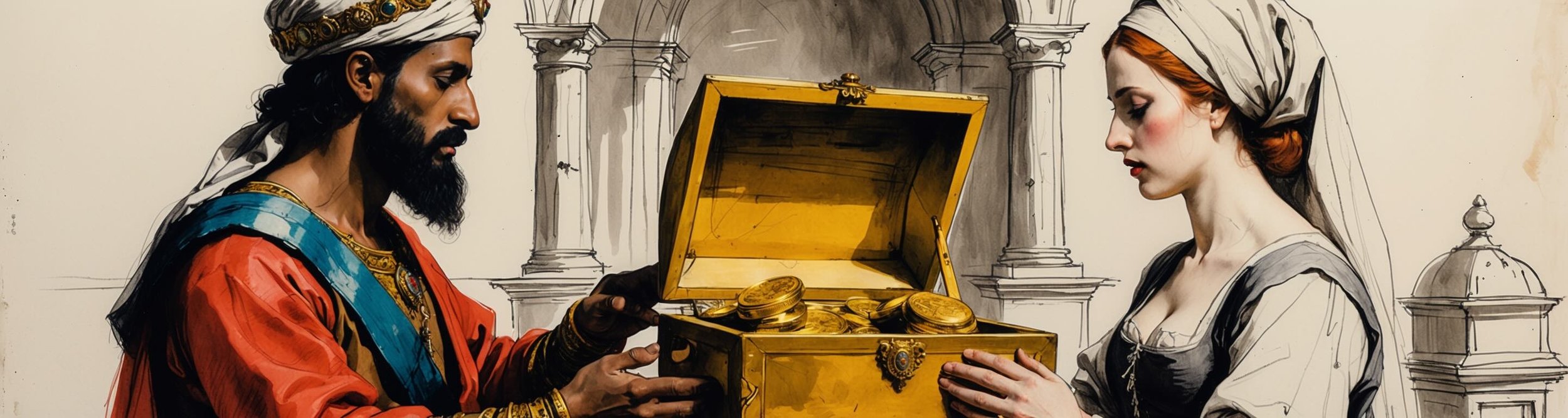
The Merchant of Venice: Act 2, Scene 7 – Analysis
Morocco trusts the dazzle of gold, chooses the golden casket, and finds a skull within.
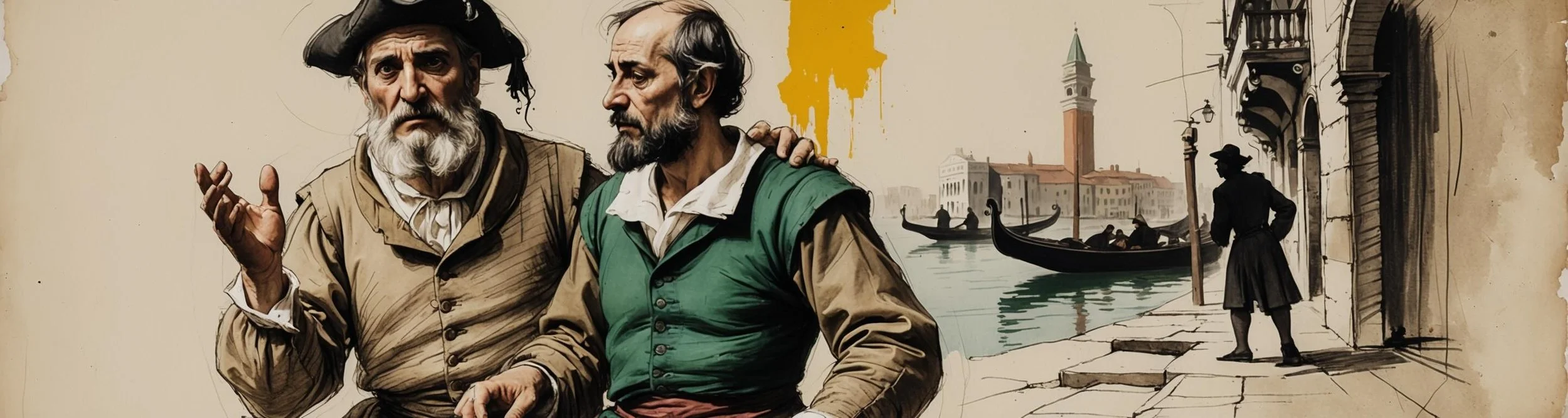
The Merchant of Venice: Act 2, Scene 8 – Analysis
Solanio and Salarino report Shylock's frantic grief and sow the first dread for Antonio's ships.
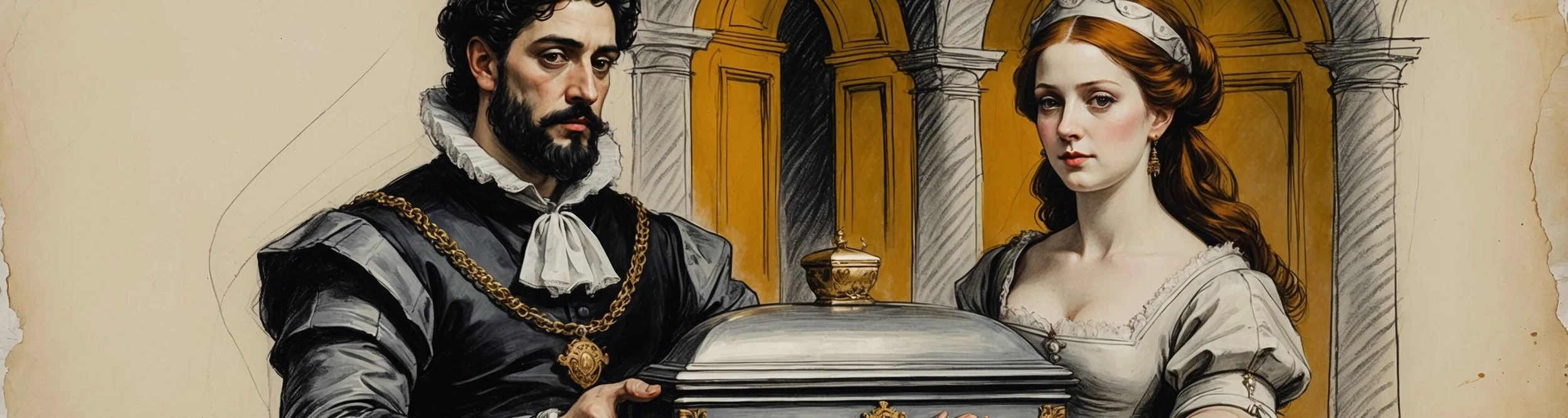
The Merchant of Venice: Act 2, Scene 9 – Analysis
Arragon's pride leads him to the silver casket and a fool's head, just as Bassanio approaches.

The Merchant of Venice: Act 3, Scene 1 – Analysis
Shylock's "Hath not a Jew eyes?" speech turns a plea for shared humanity into a vow of revenge.

The Merchant of Venice: Act 3, Scene 2 – Analysis
Bassanio chooses the lead casket and wins Portia, then a letter reveals Antonio's ships are lost and his bond forfeit.
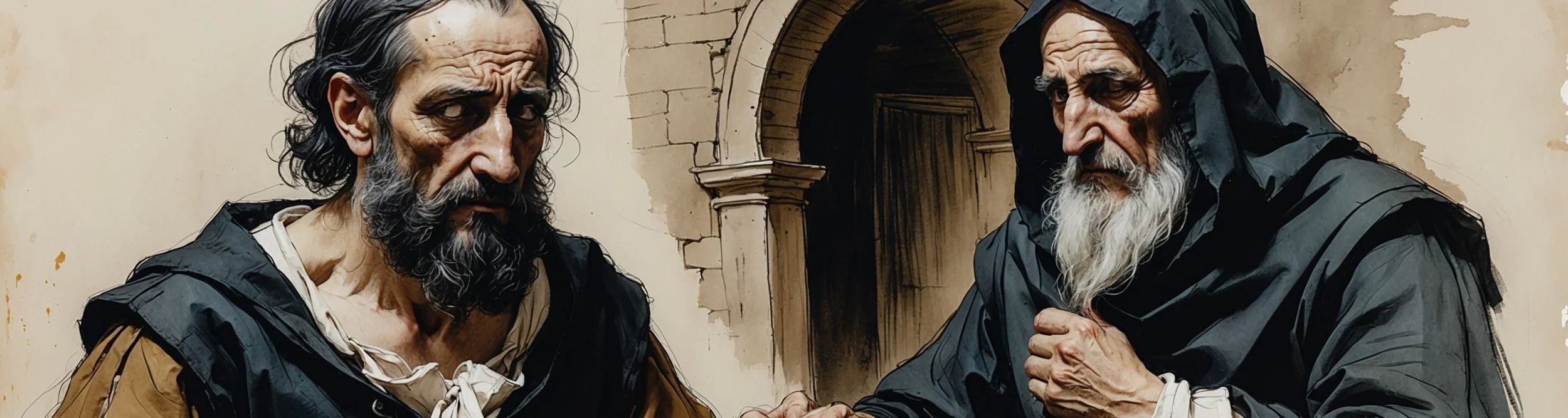
The Merchant of Venice: Act 3, Scene 3 – Analysis
Shylock refuses to hear any plea for mercy and insists, again and again, on his bond.

The Merchant of Venice: Act 3, Scene 4 – Analysis
Portia sends secretly to Padua and plans to disguise herself and Nerissa as young men.

The Merchant of Venice: Act 3, Scene 5 – Analysis
Launcelot teases Jessica about conversion while Lorenzo's wordplay and warm praise of Portia close the scene.
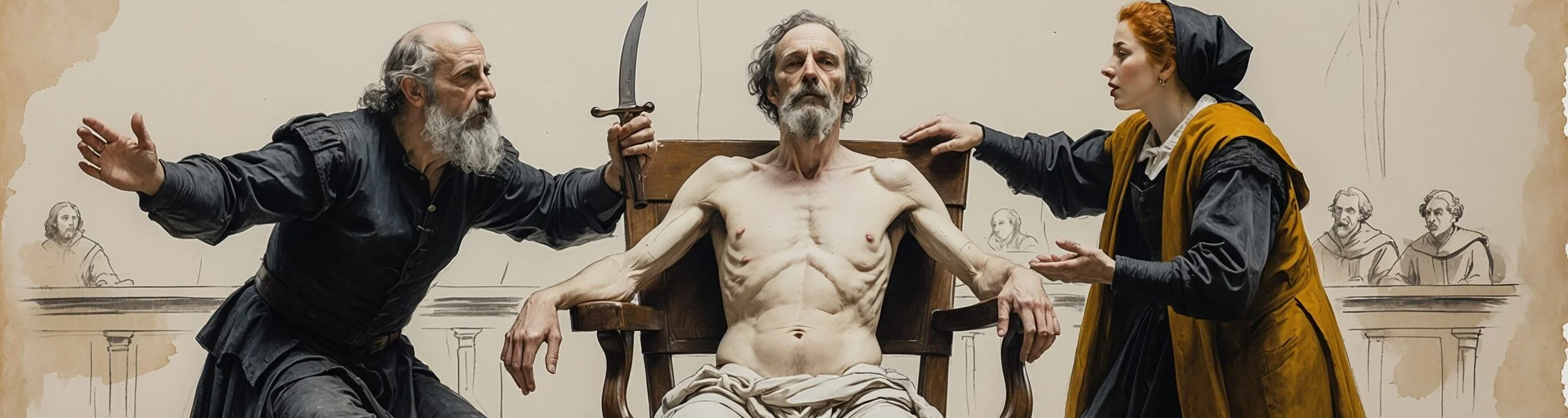
The Merchant of Venice: Act 4, Scene 1 – Analysis
Shylock demands his pound of flesh; Portia's mercy plea fails, then her legal trap ruins him.
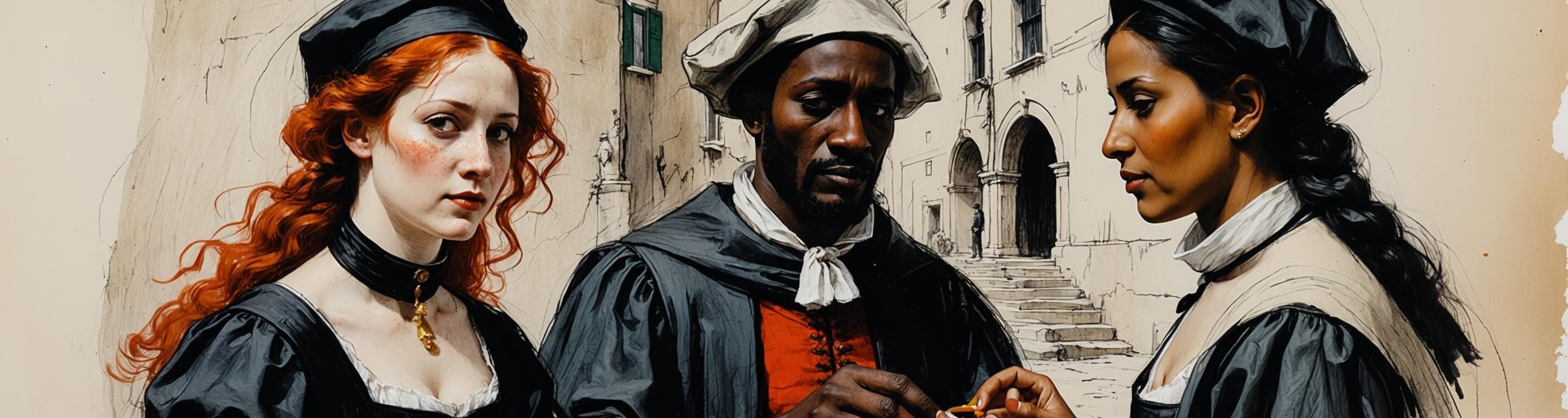
The Merchant of Venice: Act 4, Scene 2 – Analysis
Still disguised after the trial, Portia and Nerissa set the ring trick in motion and turn for Belmont.

The Merchant of Venice: Act 5, Scene 1 – Analysis
Moonlit Belmont: Lorenzo and Jessica's duet, the music speech, the ring trick resolved, and Antonio's ships saved.