
Home → Plays → Romeo and Juliet → Scene Analysis
Romeo and Juliet: Scene Analyses
Romeo and Juliet scene-by-scene analysis covering the whole play – both Choruses (the Prologue and the Act 2 Prologue) and all twenty-four scenes across the five acts, from the opening street brawl to the lovers' deaths in the tomb.
Each guide retells what happens in plain English, then analyses the scene's key moments, language and techniques, with the most important quotations shown beside their Shakespeare Retold modern verse.
A complete scene-by-scene study guide and revision resource for GCSE, A-Level, AP English, IB, and undergraduate Shakespeare. Ideal for close reading, essay planning, exam preparation, and following how the tragedy is built scene by scene.
Select a scene below to begin.







Romeo and Juliet Scene Analysis — Frequently Asked Questions
Which Romeo and Juliet scenes are analysed here?
What happens in the balcony scene (Act 2, Scene 2)?
Why is Act 3, Scene 1 the turning point of the play?
What happens when Romeo and Juliet first meet (Act 1, Scene 5)?
What happens in Act 3, Scene 5?
How do Romeo and Juliet die (Act 5, Scene 3)?
What is Mercutio's Queen Mab speech (Act 1, Scene 4)?
What is the Prologue and why does it matter?
Romeo and Juliet: Act 1, Prologue – Analysis
The Chorus's sonnet that reveals the feud, the star-crossed lovers, and their fated end.
Romeo and Juliet: Act 1, Scene 1 – Analysis
The servants' brawl, the Prince's warning, and Romeo's lovesick pining for Rosaline.
Romeo and Juliet: Act 1, Scene 2 – Analysis
Capulet's terms for Paris, an illiterate servant, and Benvolio's wager over Rosaline.
Romeo and Juliet: Act 1, Scene 3 – Analysis
The Nurse's rambling memory, Juliet's age, and Lady Capulet's pitch for Paris.
Romeo and Juliet: Act 1, Scene 4 – Analysis
Mercutio's Queen Mab speech, Romeo's melancholy, and his premonition of death.
Romeo and Juliet: Act 1, Scene 5 – Analysis
The lovers meet and share a sonnet, Tybalt rages, and they learn they are enemies.
Romeo and Juliet: Act 2, Prologue – Analysis
Romeo's love switches from Rosaline to Juliet, but the feud forbids them to meet.
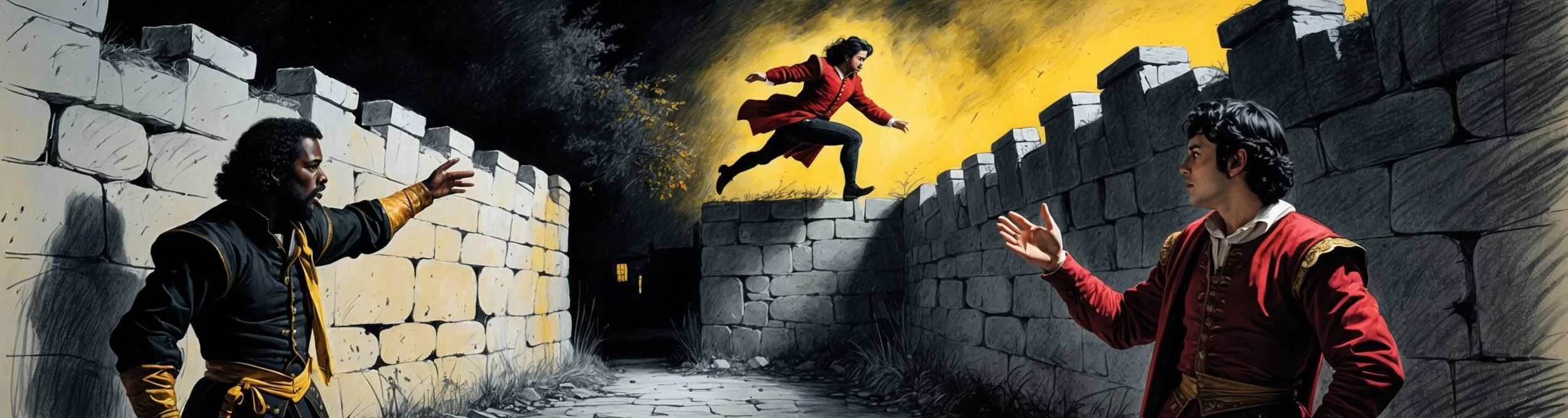
Romeo and Juliet: Act 2, Scene 1 – Analysis
Romeo leaps the orchard wall while Mercutio mockingly conjures him with bawdy jokes.
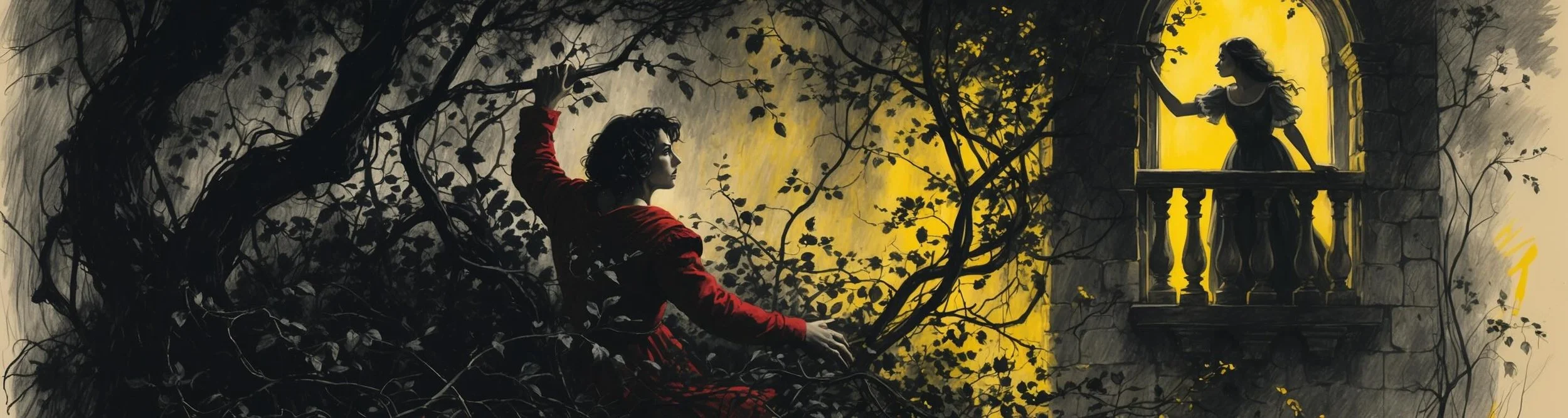
Romeo and Juliet: Act 2, Scene 2 – Analysis
Romeo overhears Juliet at her window; the lovers vow love and plan to marry.
Romeo and Juliet: Act 2, Scene 3 – Analysis
Friar Laurence's herb soliloquy, Romeo's confession, and the warning against haste.
Romeo and Juliet: Act 2, Scene 4 – Analysis
Tybalt's challenge, Mercutio's wit, and the wedding set with the Nurse.
Romeo and Juliet: Act 2, Scene 5 – Analysis
Juliet frets for news as the Nurse teases, then reveals the wedding plan.
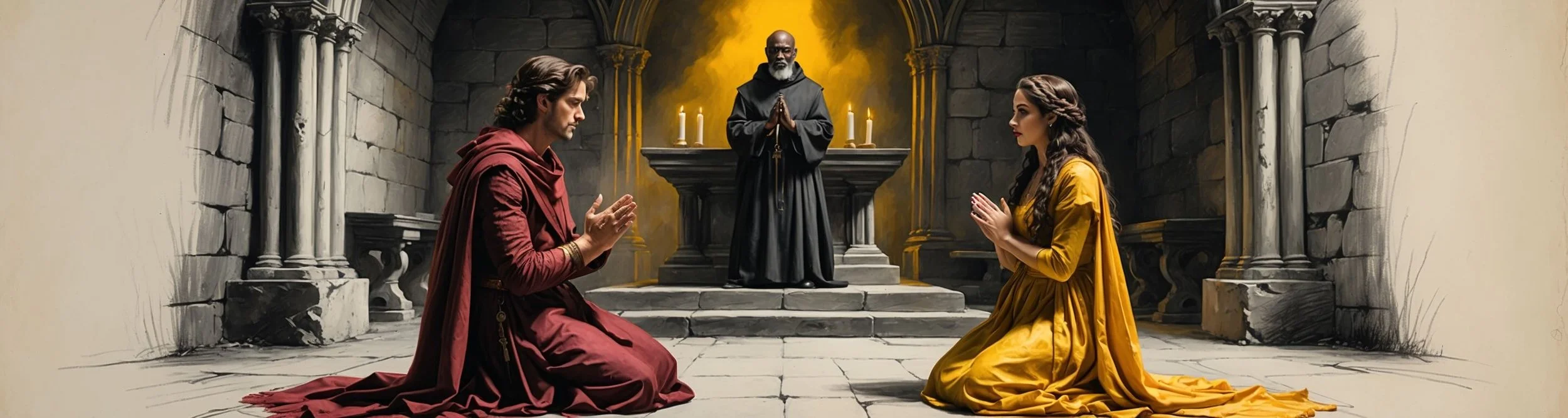
Romeo and Juliet: Act 2, Scene 6 – Analysis
Romeo and Juliet are married, under the Friar's warning against violent, hasty love.
Romeo and Juliet: Act 3, Scene 1 – Analysis
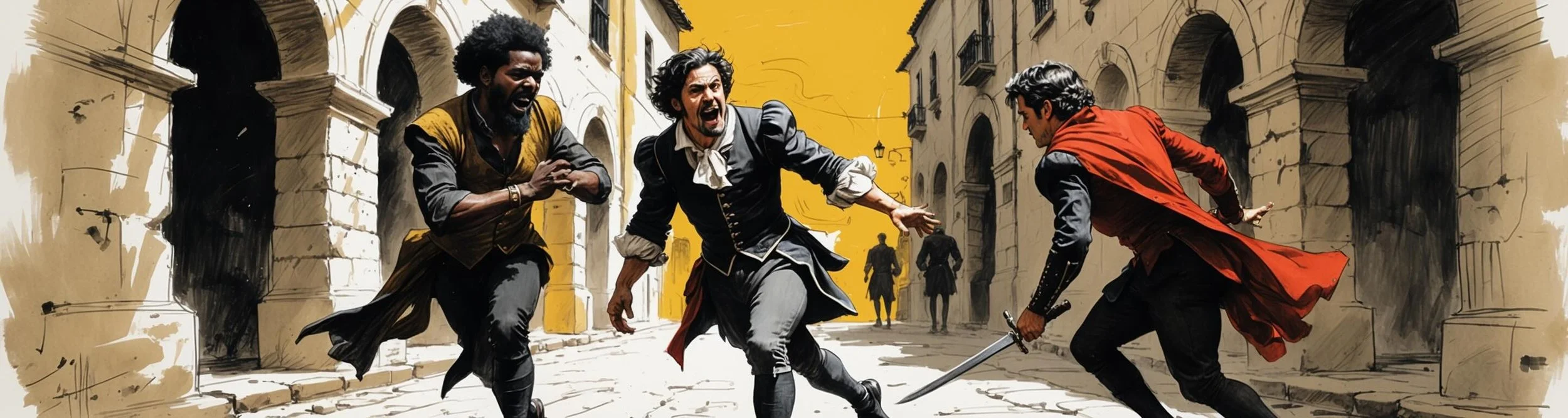
Tybalt kills Mercutio, Romeo kills Tybalt, and the Prince banishes Romeo.
Romeo and Juliet: Act 3, Scene 2 – Analysis
Juliet's "Gallop apace" speech, the Nurse's news, and Juliet torn between Romeo and Tybalt.
Romeo and Juliet: Act 3, Scene 3 – Analysis
Romeo despairs at his banishment; the Friar rebukes him and plans his escape to Mantua.
Romeo and Juliet: Act 3, Scene 4 – Analysis
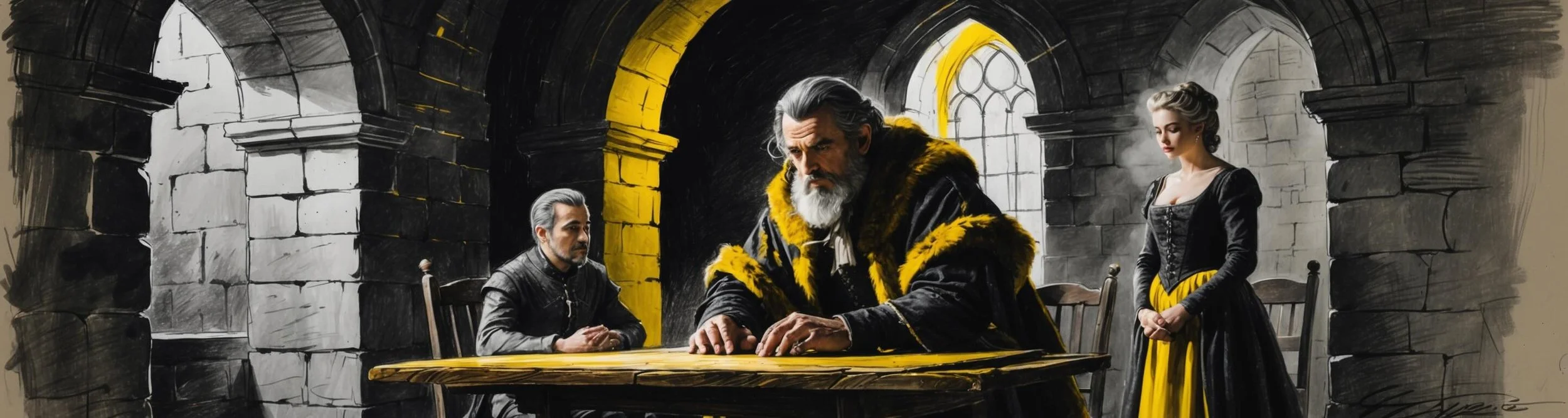
Capulet promises Juliet to Paris and fixes the wedding for Thursday.
Romeo and Juliet: Act 3, Scene 5 – Analysis
The dawn parting, Capulet's rage, the Nurse's betrayal, and Juliet left alone.
Romeo and Juliet: Act 4, Scene 1 – Analysis
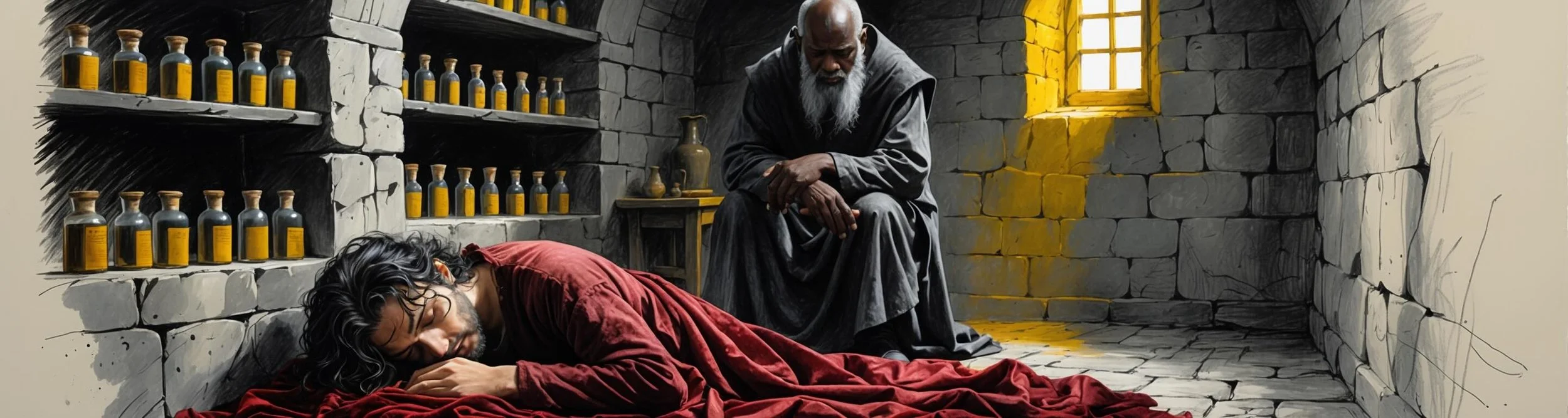
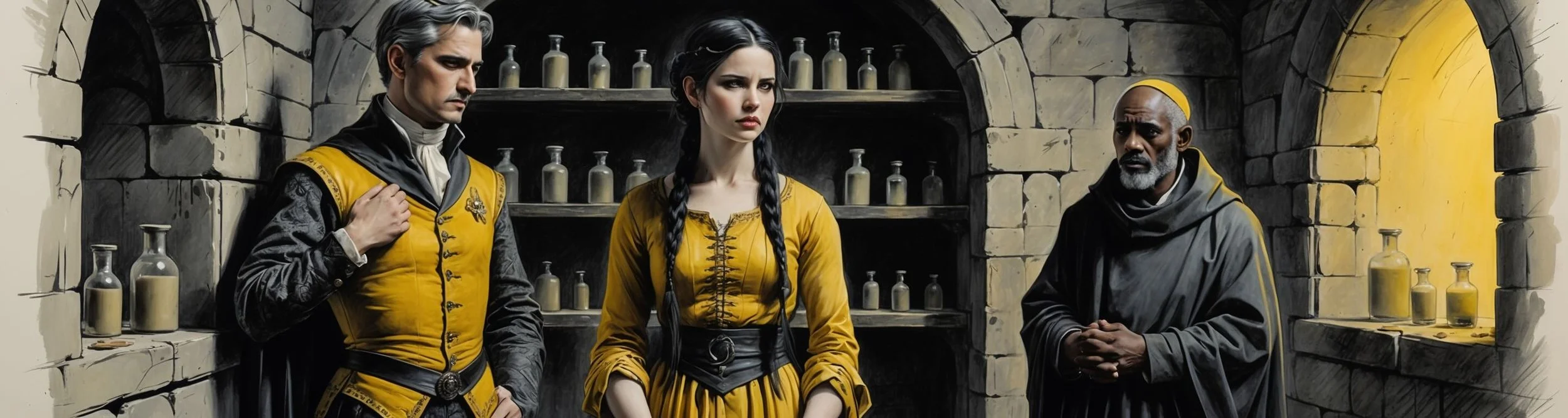
Paris sets the wedding, Juliet defies him, and the Friar devises the sleeping-potion plan.
Romeo and Juliet: Act 4, Scene 2 – Analysis
Juliet feigns obedience, and a delighted Capulet brings the wedding forward.