
Henry V: Scene Analysis
Henry V scene-by-scene analysis covering the whole play – all twenty-three scenes, the five Chorus prologues and the Epilogue, twenty-nine guides in all, from "O for a Muse of fire" to the closing sonnet that foretells the loss of everything Henry won. Each guide retells what happens in plain English, then analyses the scene’s key moments, language and techniques, with the most important quotations shown beside their Shakespeare Retold modern verse. A complete scene-by-scene study guide and revision resource for GCSE, A-Level, AP English, IB, and undergraduate Shakespeare. Ideal for close reading, essay planning, exam preparation, and following how the play builds – and questions – its own legend, scene by scene.
Select a scene below to begin.
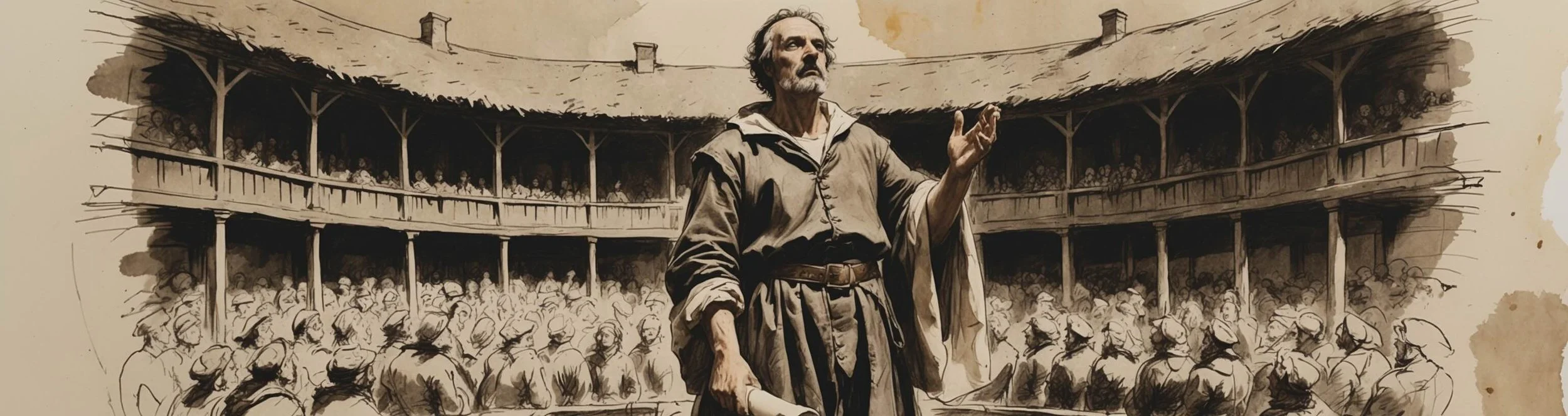
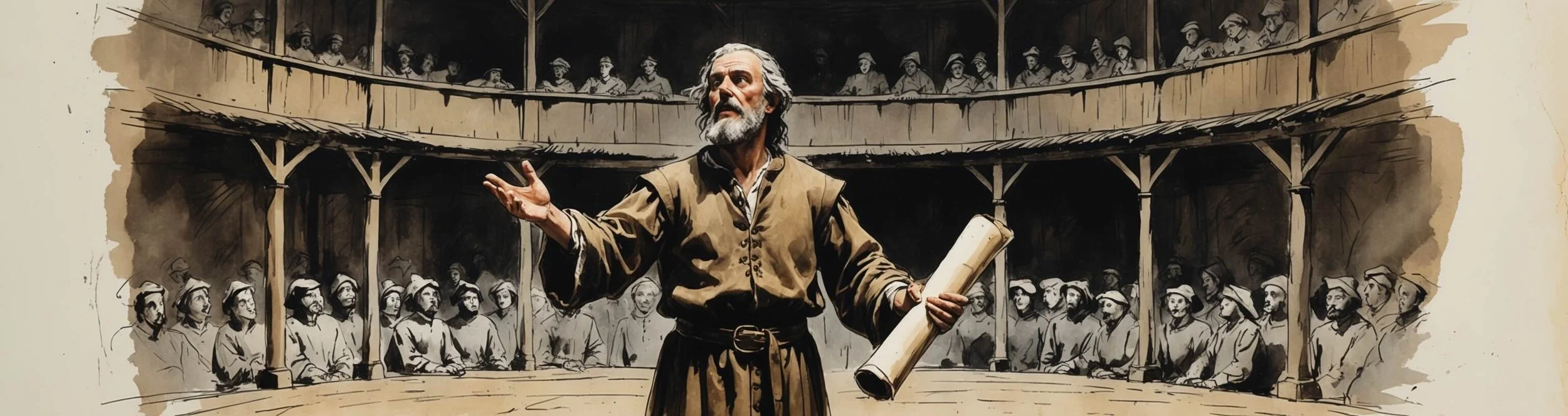
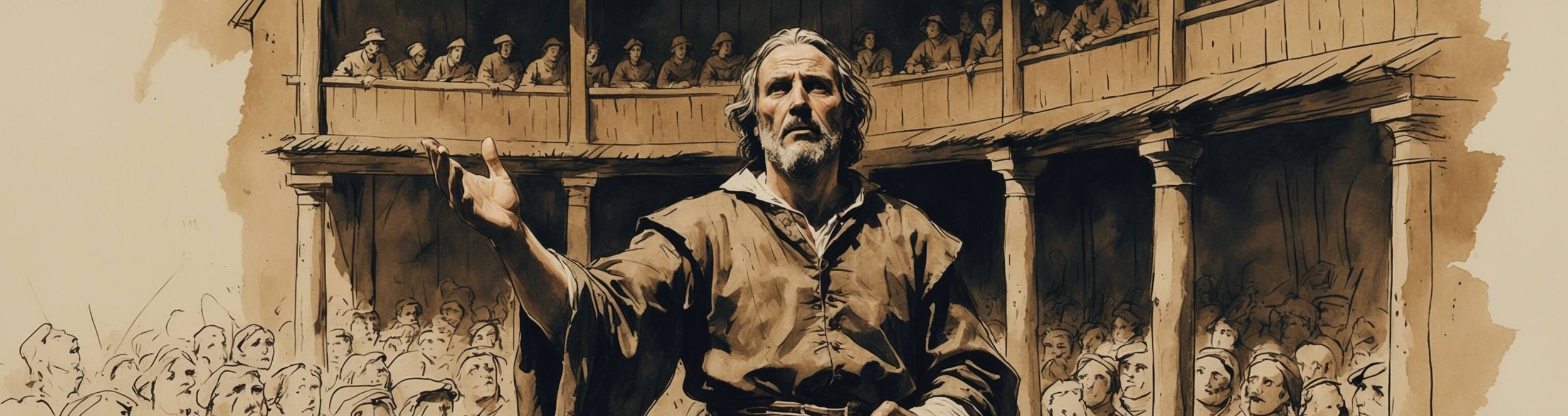

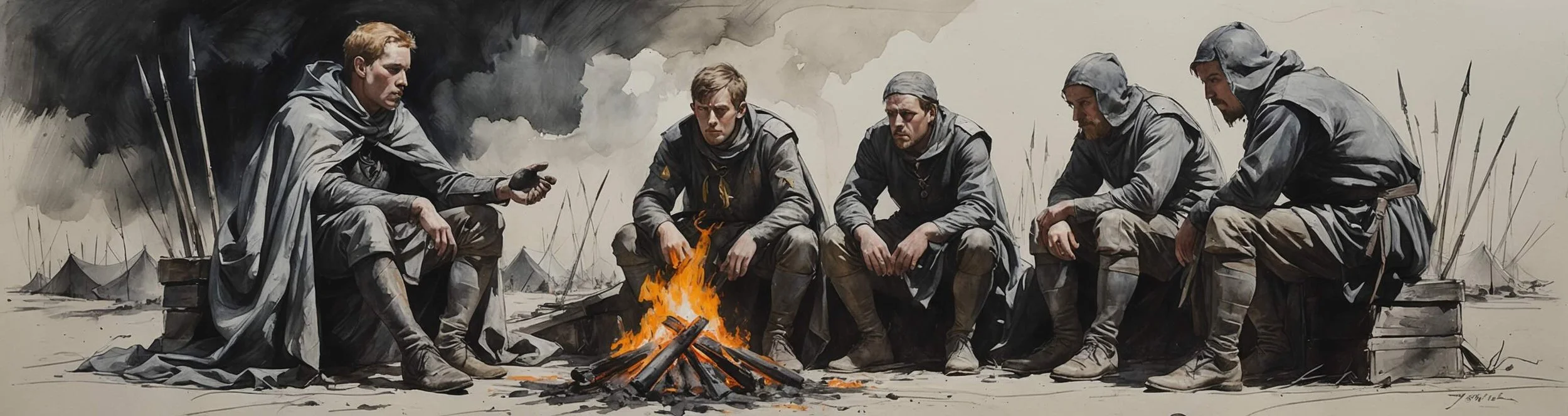
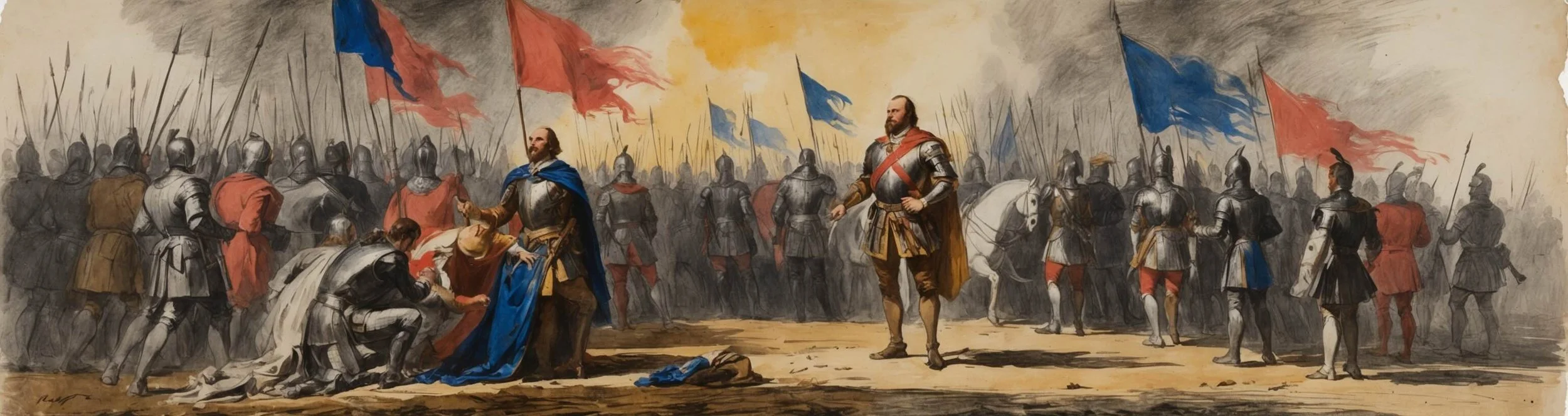
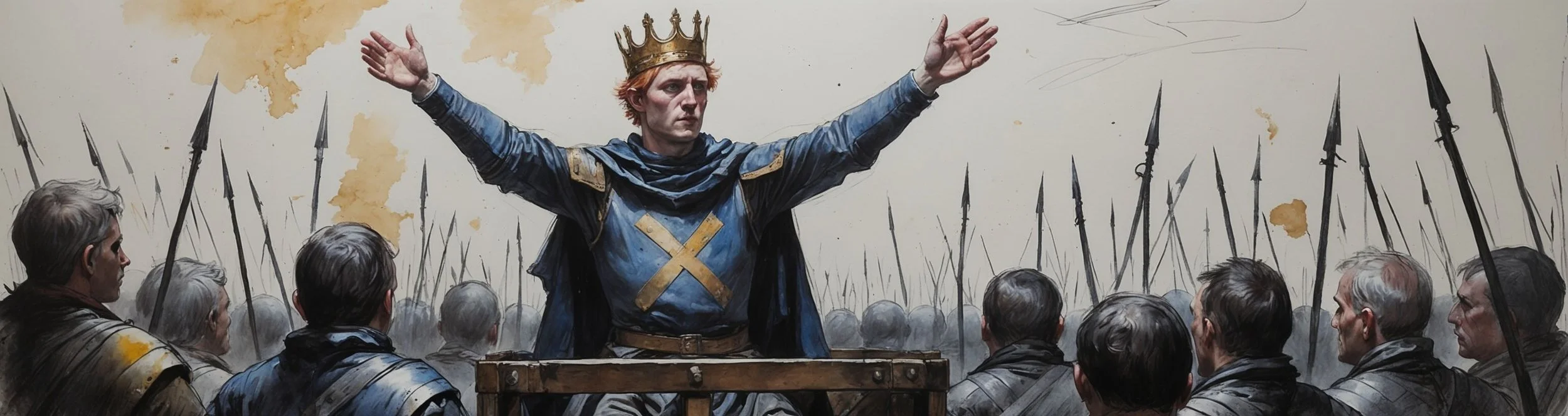
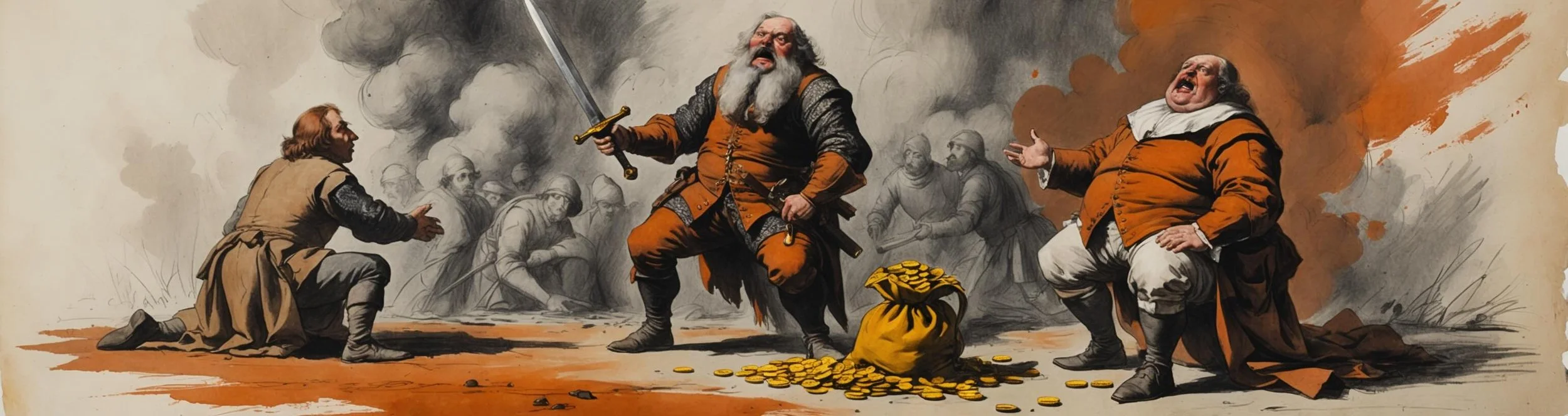
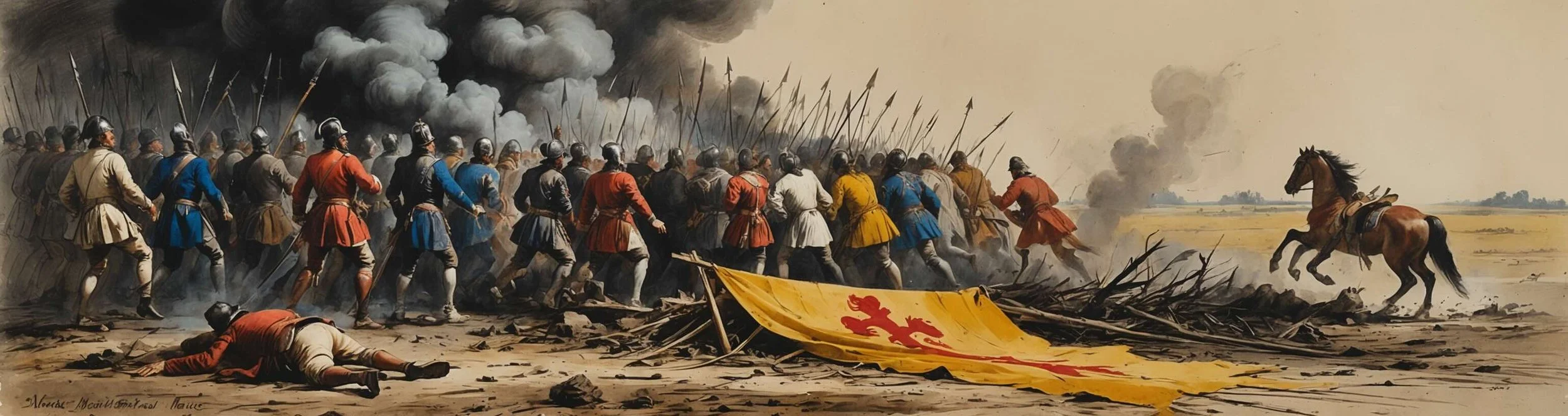
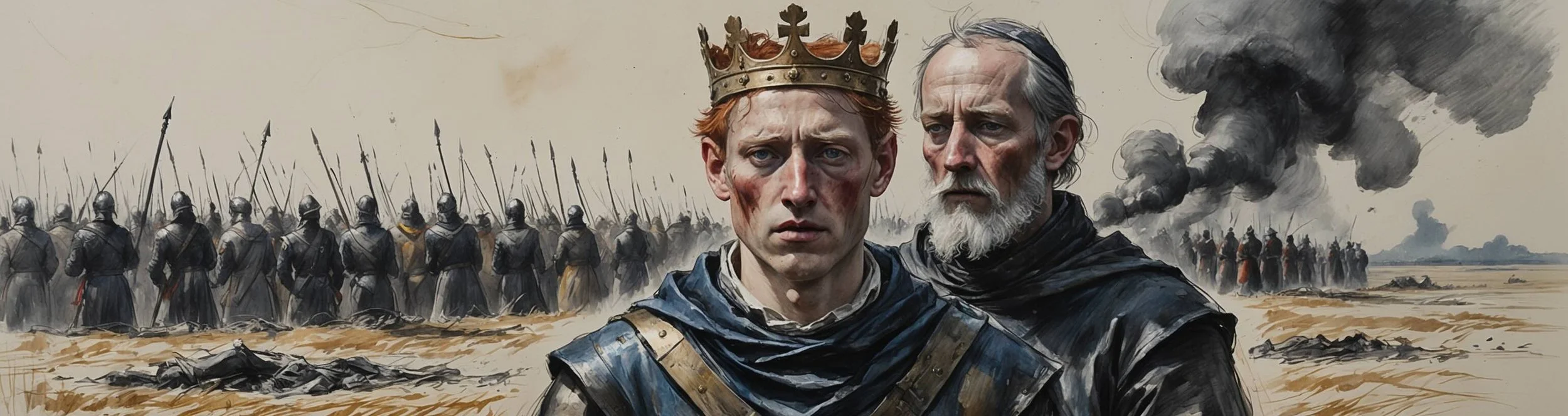
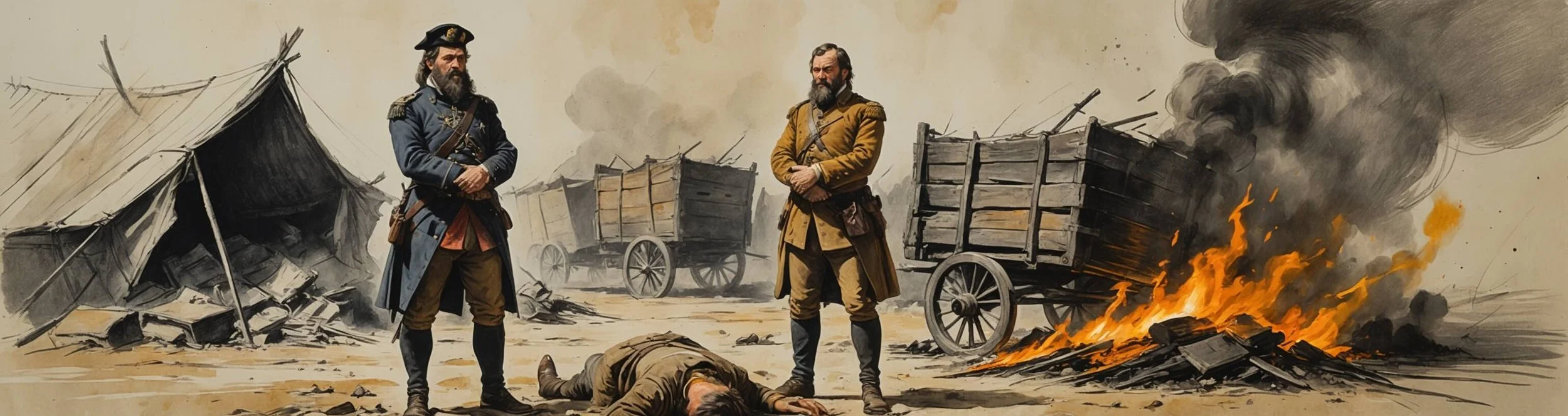
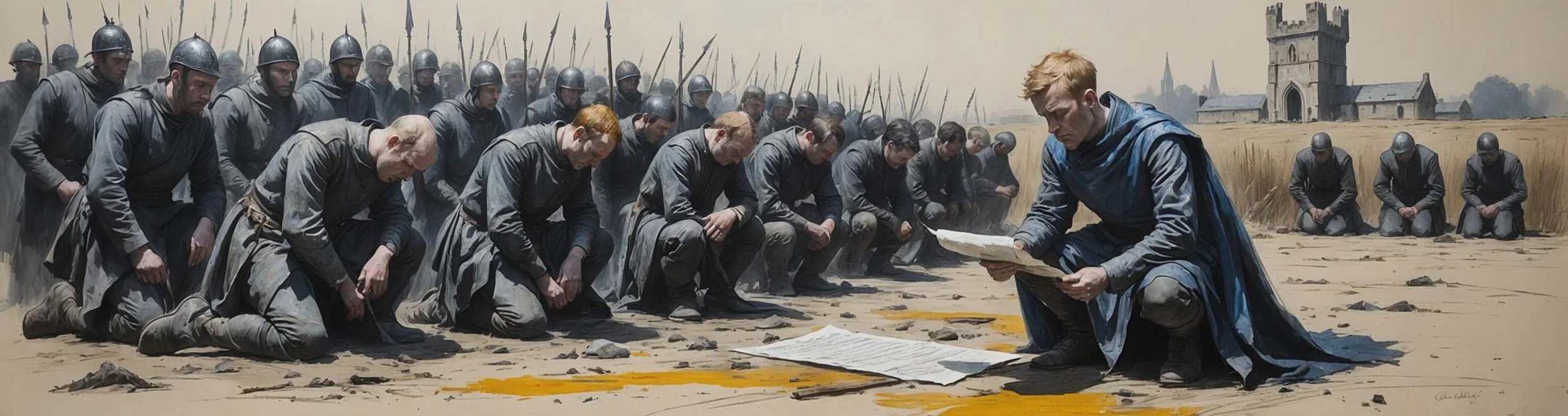
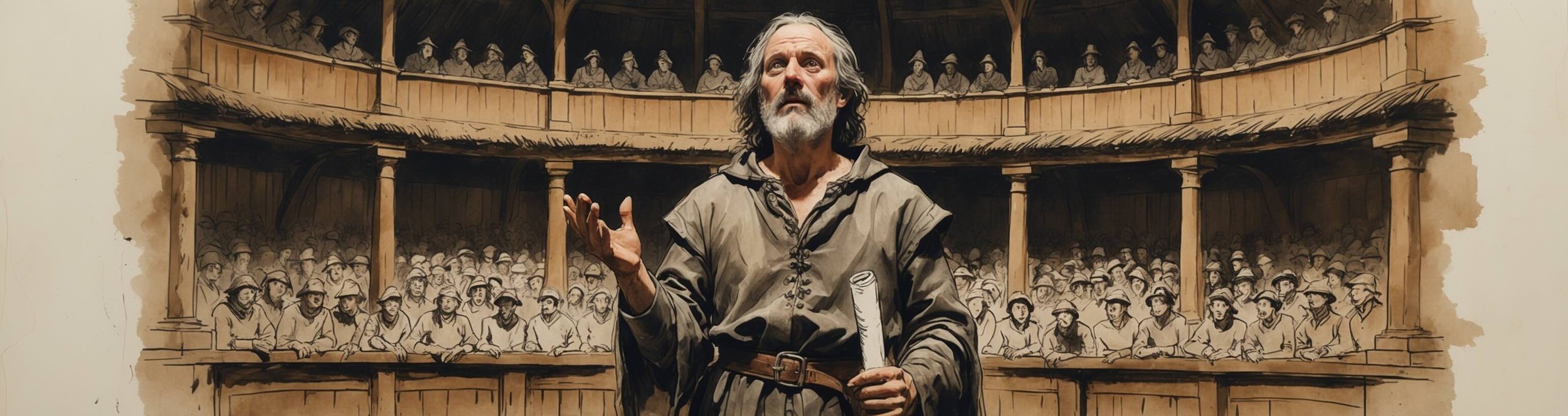
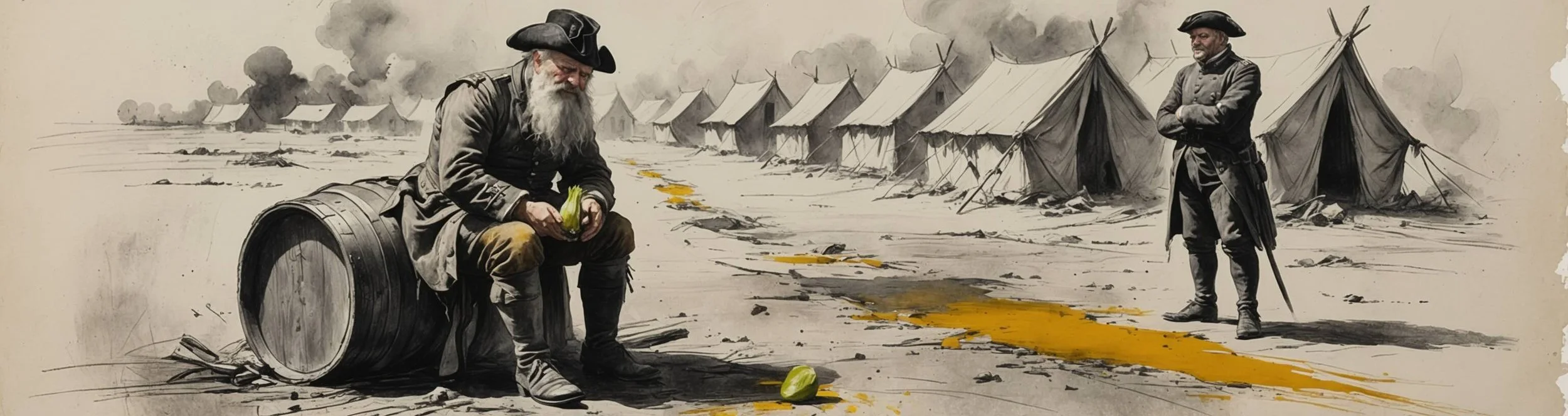
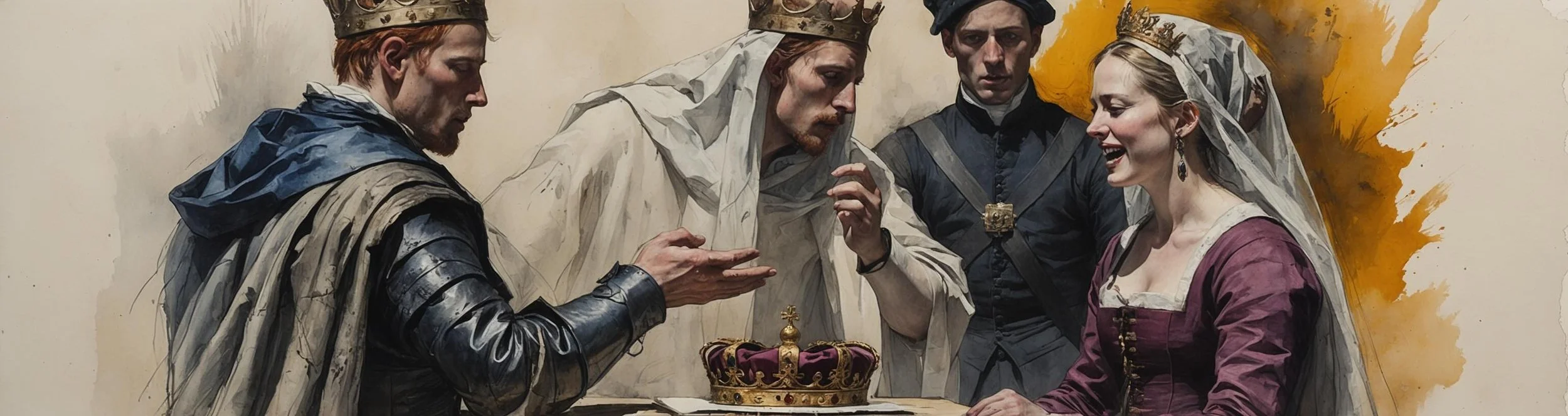
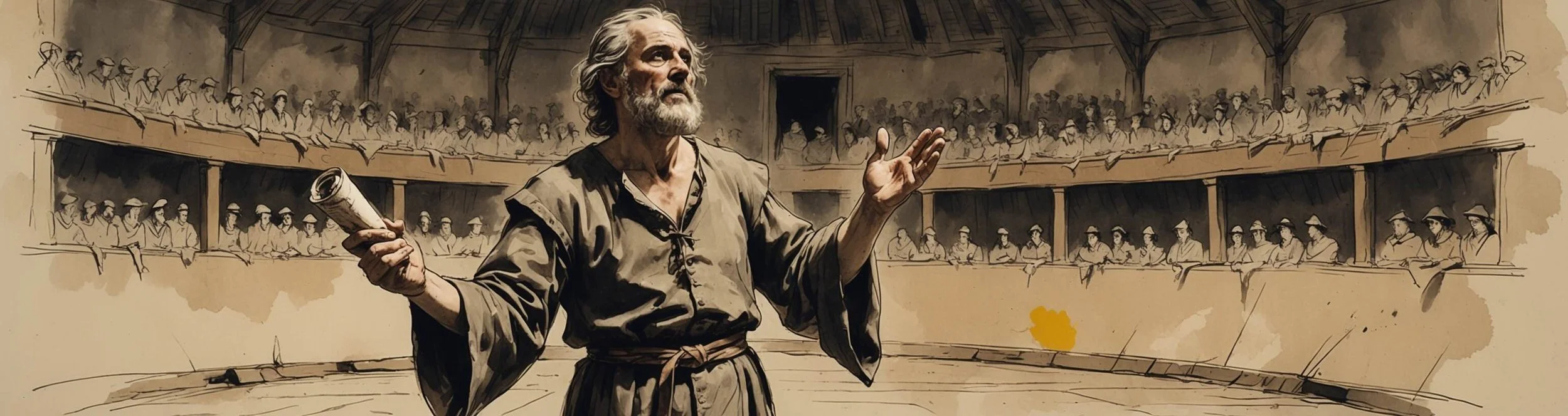
Henry V: Act 1, Prologue – Analysis
The Chorus apologises for the theatre – and recruits your imagination.
Henry V: Act 1, Scene 1 – Analysis
Two bishops, one threatened fortune, and a war quietly set in motion.
Henry V: Act 1, Scene 2 – Analysis
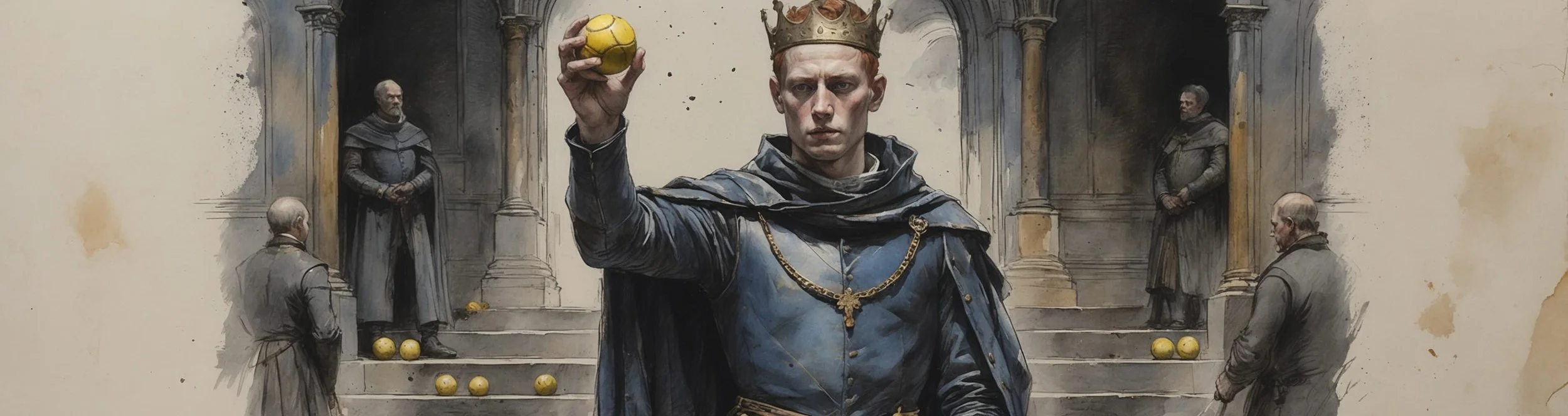
A question of conscience, sixty lines of law, and a joke that starts a war.
Henry V: Act 2, Prologue – Analysis
"Now all the youth of England are on fire" — the mirror of all Christian kings, and three traitors named before they act.
Henry V: Act 2, Scene 1 – Analysis
Nym and Pistol's bloodless duel over Nell Quickly — and the Hostess's quiet bombshell: "The king has killed his heart."
Henry V: Act 2, Scene 2 – Analysis
The Southampton plot: Henry's trap, the lament over Scroop — "another fall of man" — and the traitors sentenced by their own words.
Henry V: Act 2, Scene 3 – Analysis
The death of Falstaff — Arthur's bosom, green fields, "cold as any stone" — and Eastcheap leaves for France.
Henry V: Act 2, Scene 4 – Analysis
The French court divided over Henry — "idly kinged" or the Roman Brutus? — and Exeter arrives demanding the crown itself.
Henry V: Act 3, Prologue – Analysis
The fleet sails for Harfleur — "work, work your thoughts" — and France's first offer of Katharine is refused.
Henry V: Act 3, Scene 1 – Analysis
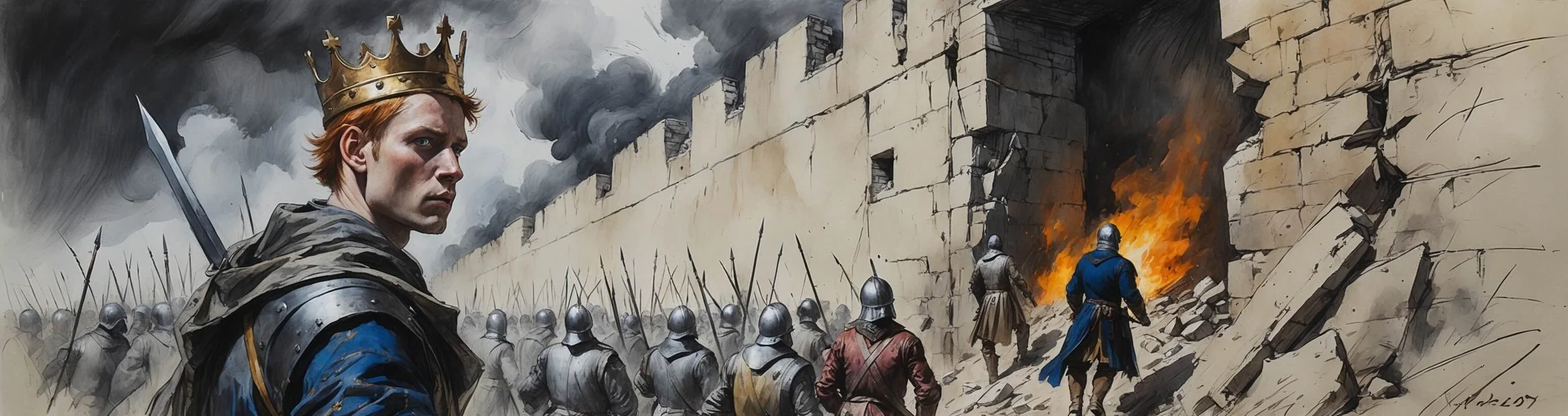
"Once more unto the breach, dear friends" — the tiger, the war-mask, and the most famous battle-cry in English.
Henry V: Act 3, Scene 2 – Analysis
The swashers dodge the breach, the Boy audits his masters — and Macmorris demands: "What ish my nation?"
Henry V: Act 3, Scene 3 – Analysis
The terrifying Harfleur ultimatum — infants on pikes, guilt transferred — and then, in four words, "Use mercy to them all."
Henry V: Act 3, Scene 4 – Analysis
Katharine's English lesson — Shakespeare's only all-French scene, from "de hand" to the scandal of "de coun".
Henry V: Act 3, Scene 5 – Analysis
"Norman bastards!" — French fury at the Somme crossing, the mocking madams, and the great muster of names.
Henry V: Act 3, Scene 6 – Analysis
Bardolph condemned to hang, Fluellen's "discipline ought to be used" — and Henry's disarming answer to Montjoy's defiance.
Henry V: Act 3, Scene 7 – Analysis
The French camp before Agincourt: "my horse is my mistress", the hooded valour, and a hundred Englishmen each by ten o'clock.
Henry V: Act 4, Prologue – Analysis
Henry's triumphant return to London, the refused victory parade — and Shakespeare's famous Essex allusion, the key to dating the play.
Henry V: Act 4, Scene 1 – Analysis
The disguised King debates responsibility with Williams, dismantles ceremony, and prays over his father's stolen crown.
Henry V: Act 4, Scene 2 – Analysis
The French dress for a triumph: the "fair show", and Grandpré's pitiless portrait of the scarecrow English.
Henry V: Act 4, Scene 3 – Analysis
The St Crispin's Day speech – "we few, we happy few, we band of brothers" – and the last refusal of ransom.