
Home → Plays → Richard III → Scene Analyses
Richard III: Scene Analyses
Richard III scene-by-scene analysis covering the whole play – all twenty-five scenes, from "Now is the winter of our discontent" to Richmond's crowning on Bosworth Field. Each guide retells what happens in plain English, then analyses the scene's key moments, language and techniques, with the most important quotations shown beside their Shakespeare Retold modern verse.
A complete scene-by-scene study guide and revision resource for GCSE, A-Level, AP English, IB, and undergraduate Shakespeare. Ideal for close reading, essay planning, exam preparation, and following how Richard talks his way to the crown – and how the play takes it back – scene by scene.
Select a scene below to begin.
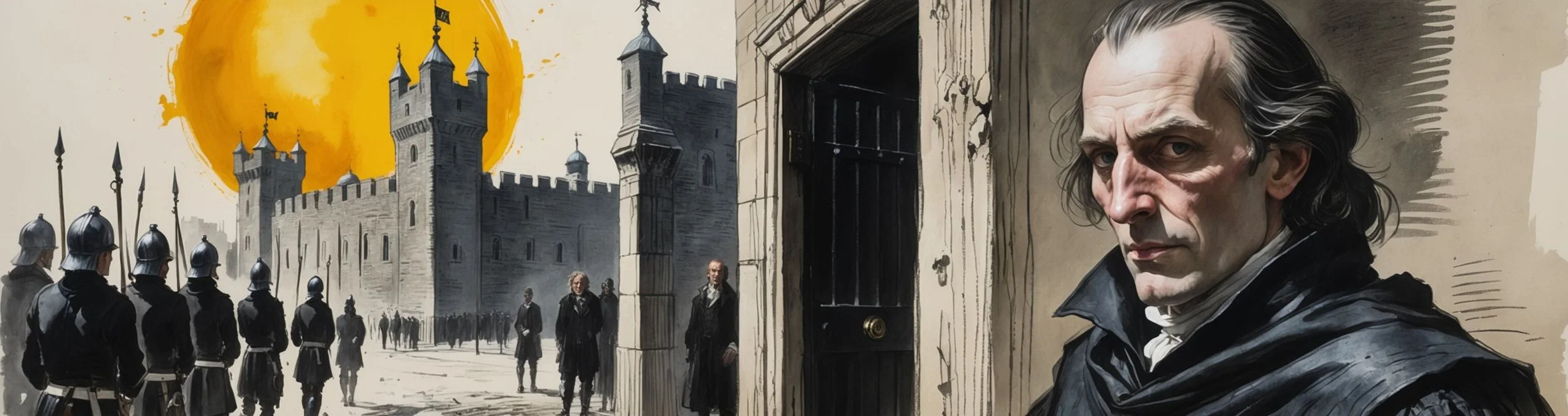
Richard III: Act 1, Scene 1 – Analysis
Richard tells the audience what he is and what he means to do, then does the first of it to his brother while the audience watches.
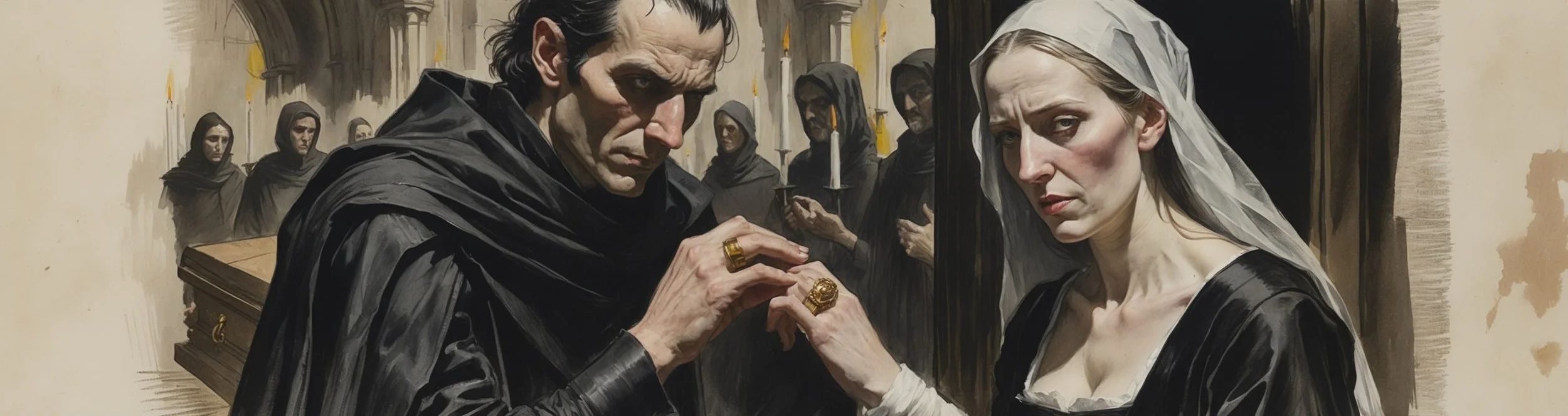
Richard III: Act 1, Scene 2 – Analysis
A widow curses her husband's killer over a coffin and leaves wearing his ring; Richard is as surprised as anyone.
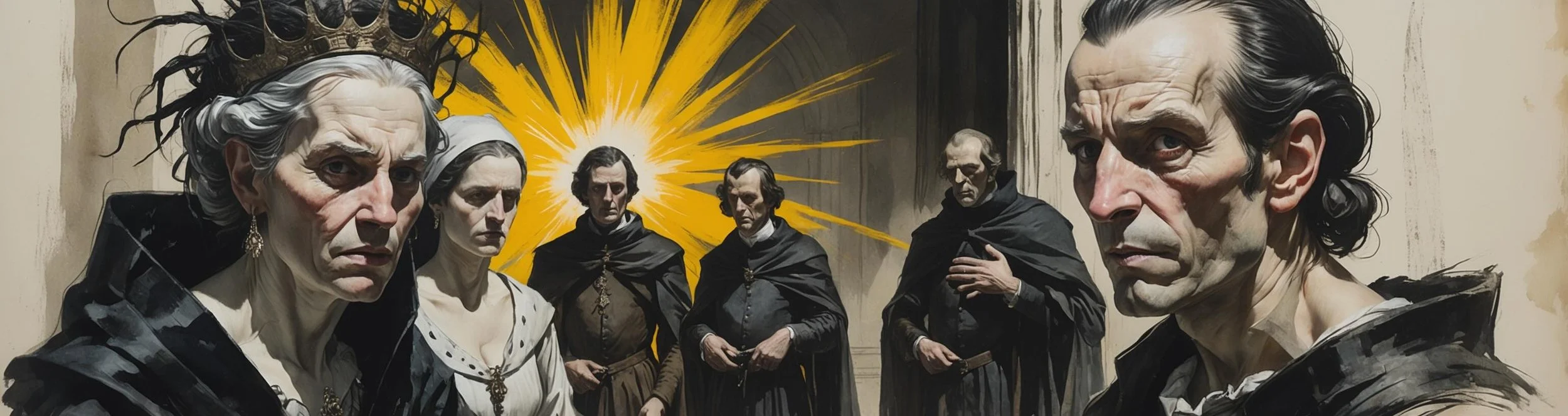
Richard III: Act 1, Scene 3 – Analysis
The deposed queen curses the court in the order the play will kill them, and Richard explains how he will oblige.
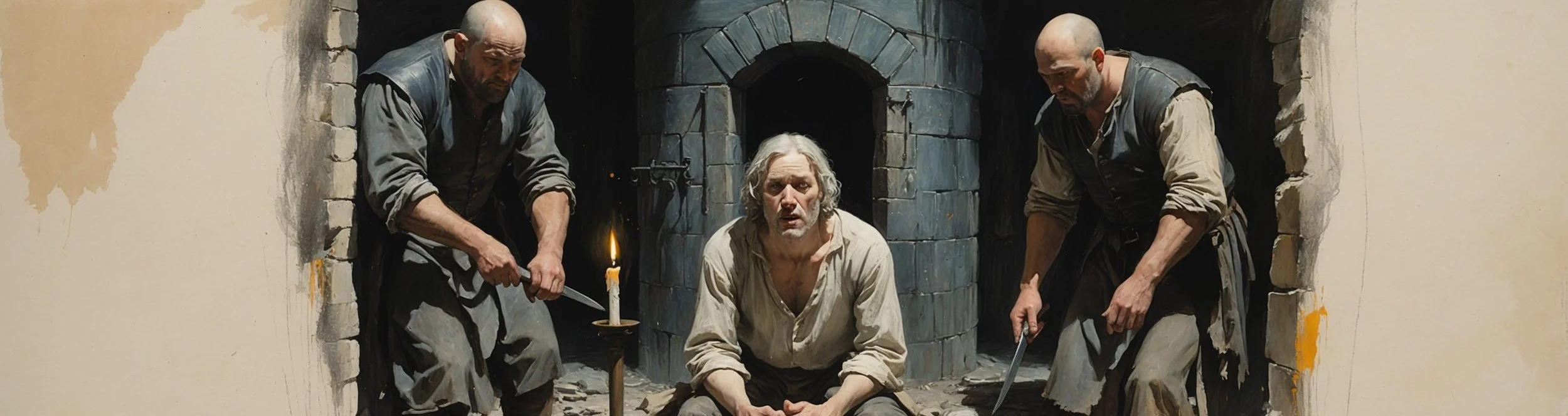
Richard III: Act 1, Scene 4 – Analysis
A drowned man's vision of the sea floor, two hired men arguing about conscience, and a duke who dies defending his brother.
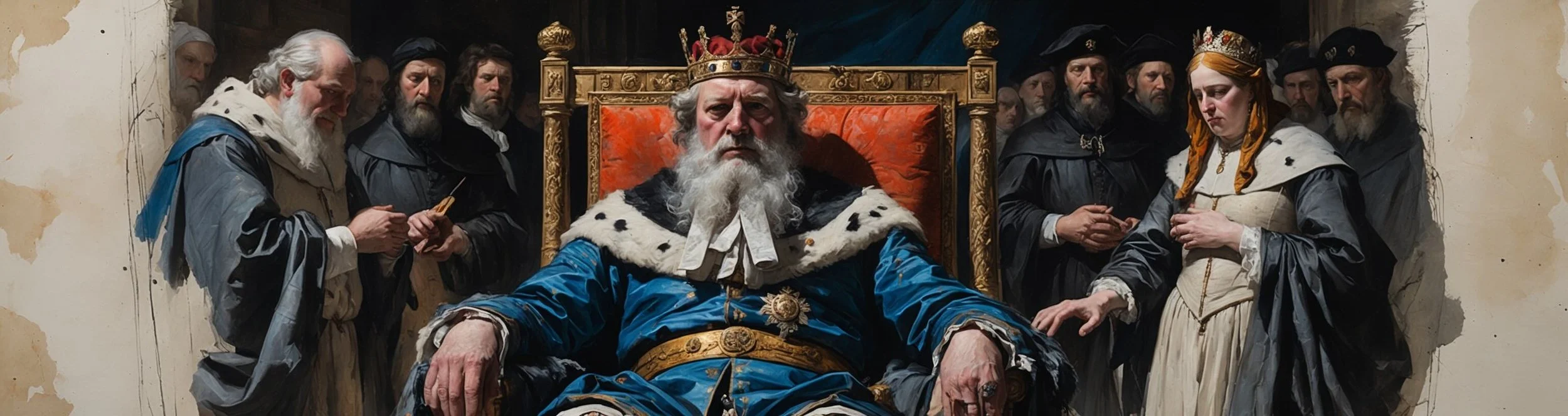
Richard III: Act 2, Scene 1 – Analysis
A dying king makes his court swear peace; Richard walks in, swears it too, and tells them Clarence is dead.
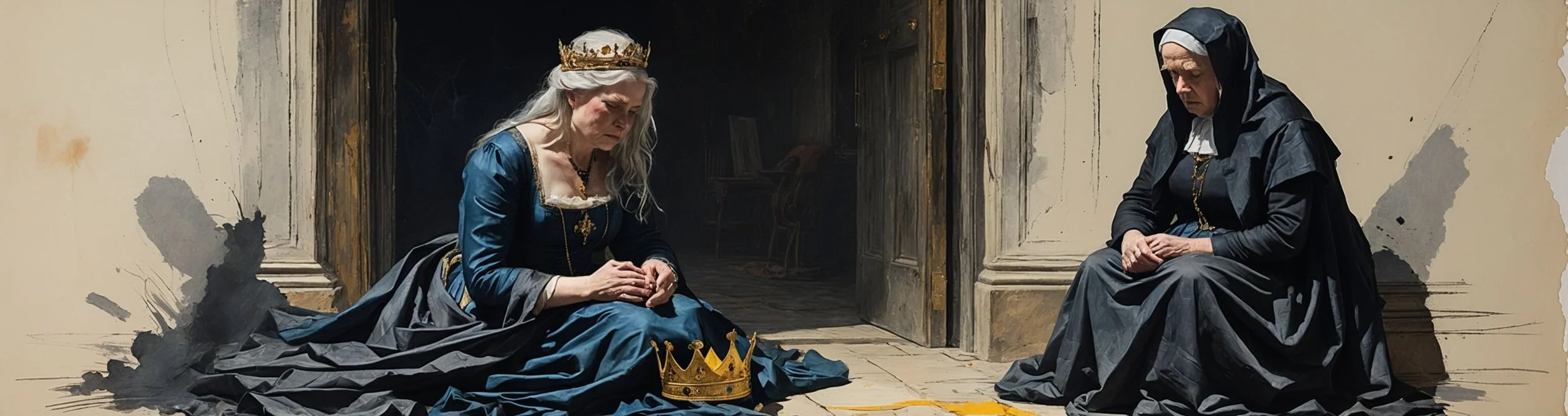
Richard III: Act 2, Scene 2 – Analysis
A lie told to a child, a competition in grief, and a coup agreed in the language of peace.
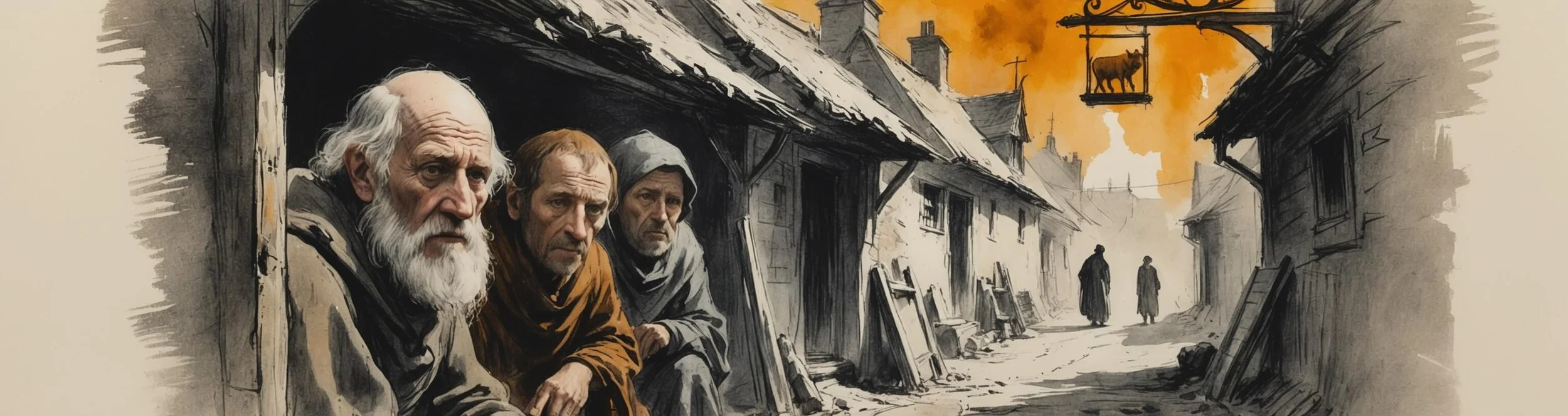
Richard III: Act 2, Scene 3 – Analysis
Three Londoners with no names predict the play from a street corner, and are sent for to the justices.
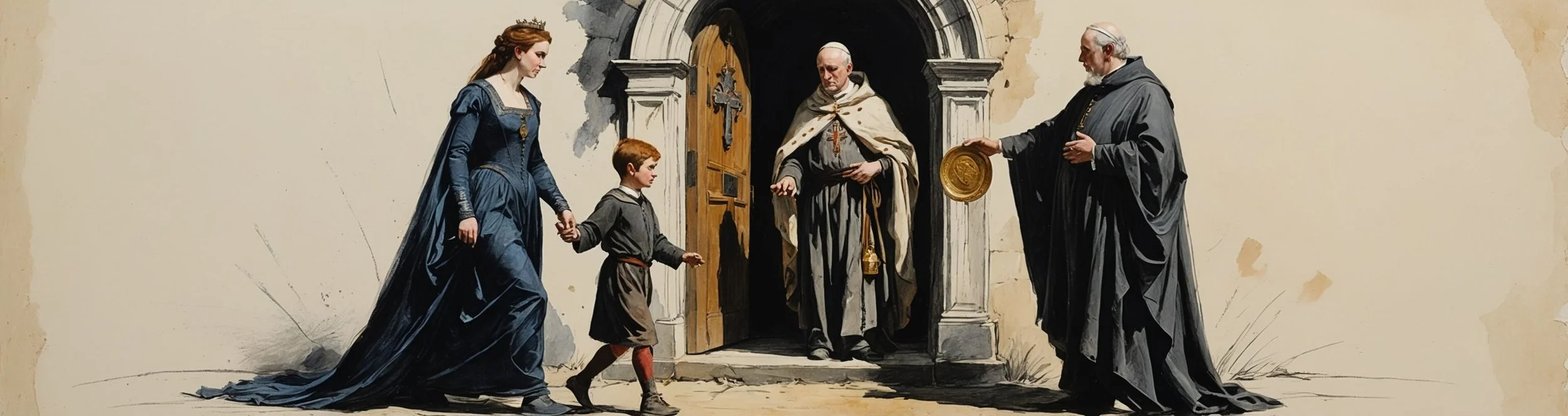
Richard III: Act 2, Scene 4 – Analysis
A child's joke about weeds, a messenger's three lines, and a queen who sees the end of all as in a map.
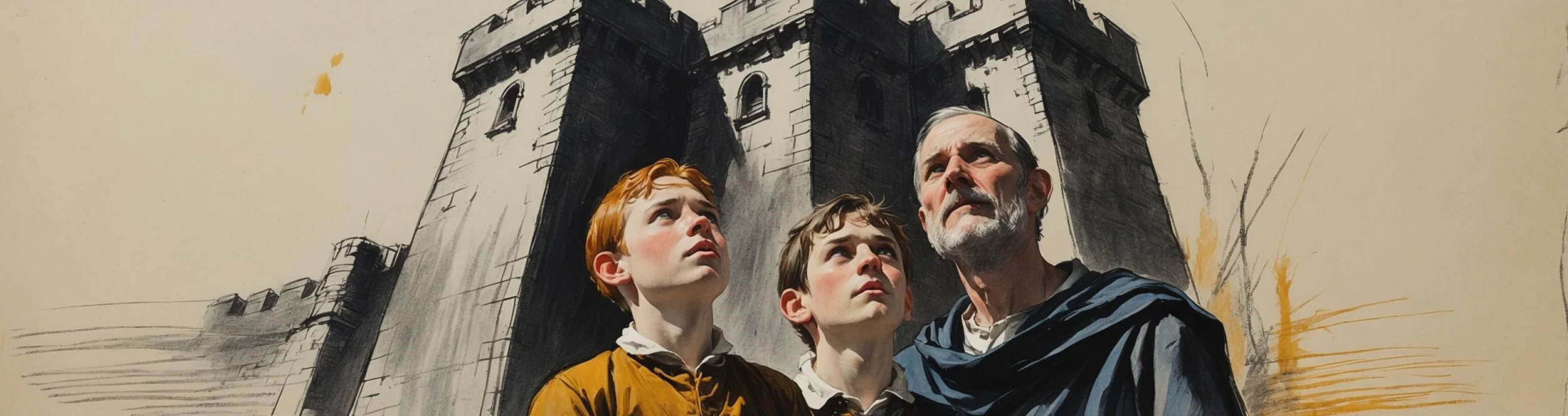
Richard III: Act 3, Scene 1 – Analysis
Two clever boys, a Cardinal argued out of sanctuary, and an uncle passing sentence in proverbs.
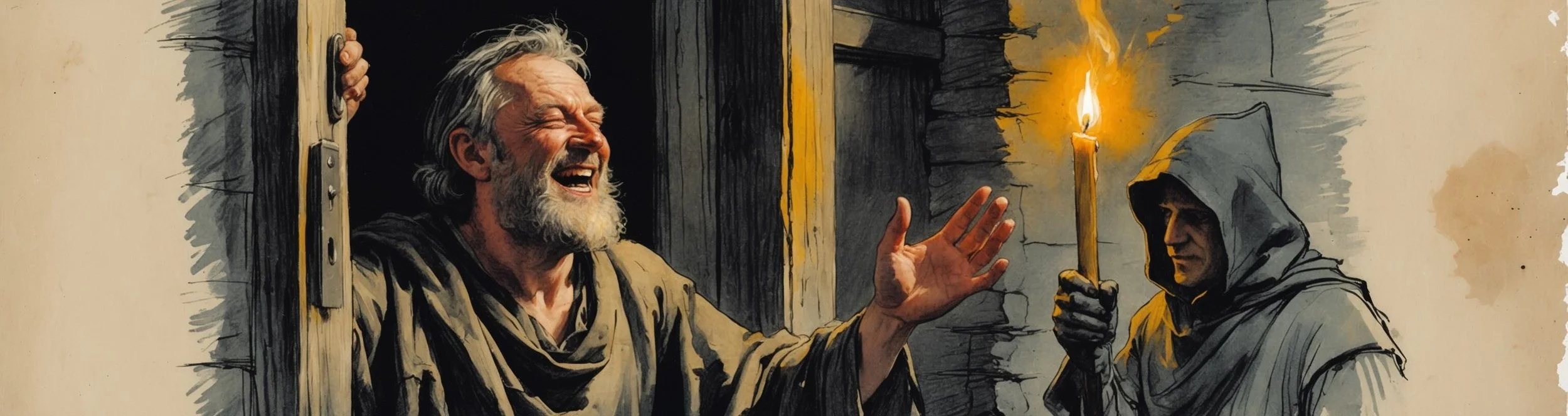
Richard III: Act 3, Scene 2 – Analysis
A dream at four in the morning, a friend with a question, and a man too pleased with himself to hear the answer.
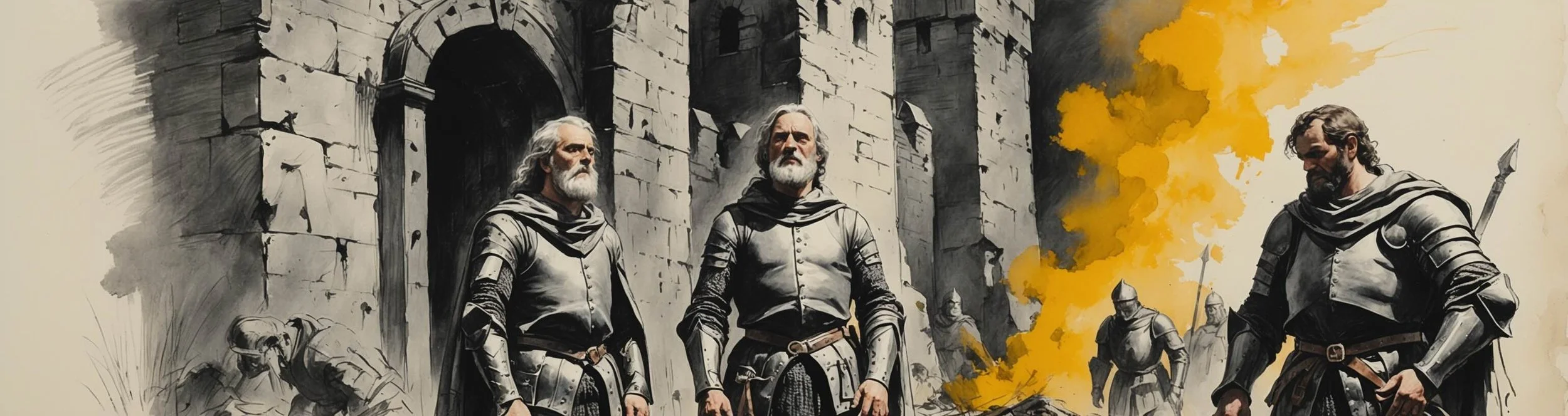
Richard III: Act 3, Scene 3 – Analysis
Three of the queen's kin die at the castle that killed Richard II, and the curse is named for the first time.
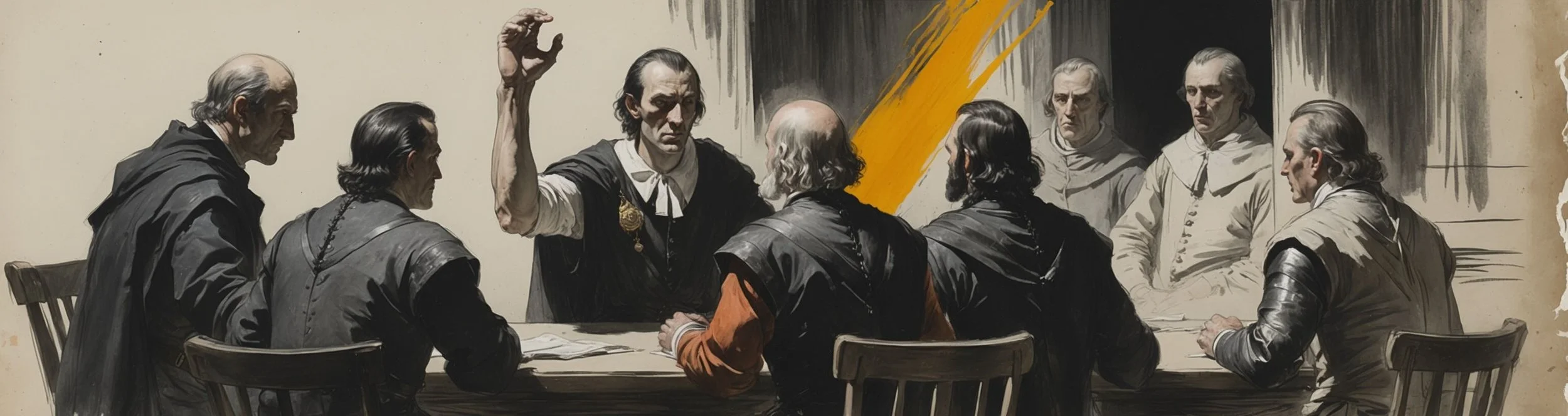
Richard III: Act 3, Scene 4 – Analysis
Strawberries, a withered arm and one word of doubt: the council scene where Hastings dies before dinner.
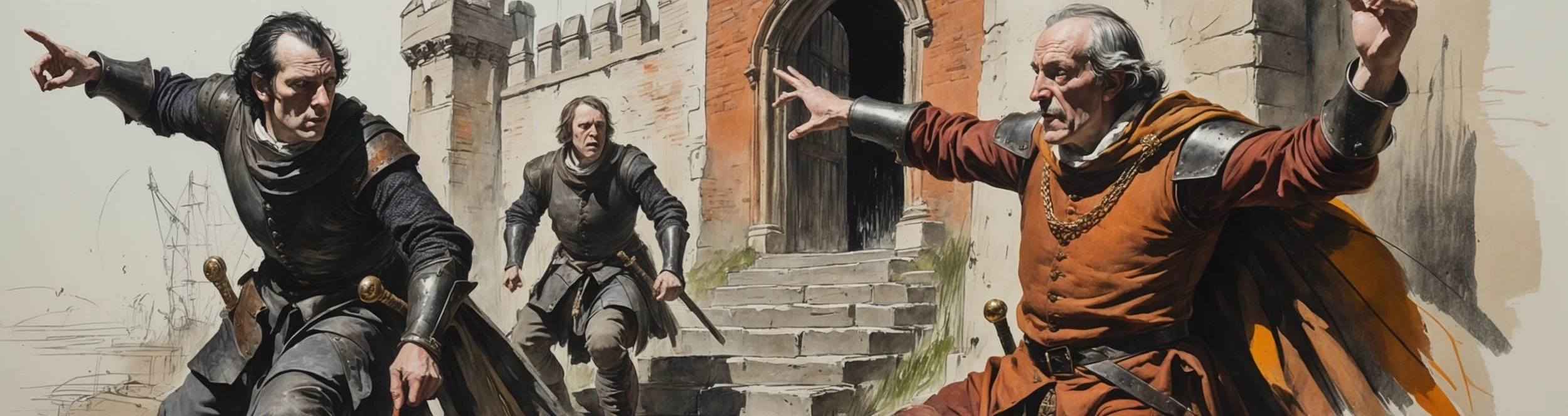
Richard III: Act 3, Scene 5 – Analysis
Rusty armour, a severed head and a rehearsed alarm: the cover-up for the council murder, acted for the Mayor.
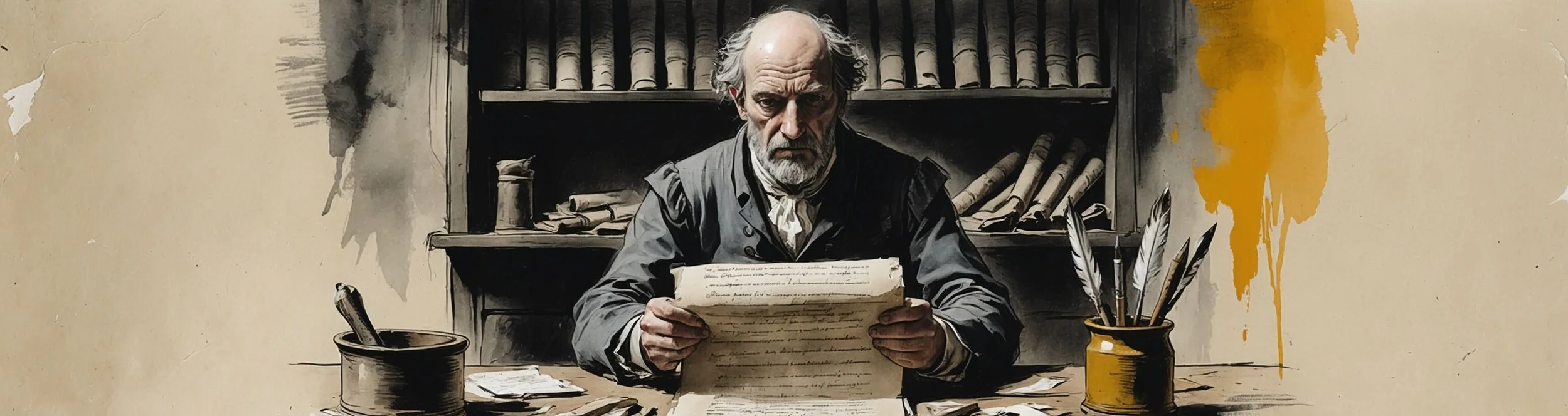
Richard III: Act 3, Scene 6 – Analysis
A clerk with a forged indictment does the arithmetic of tyranny in fourteen lines.
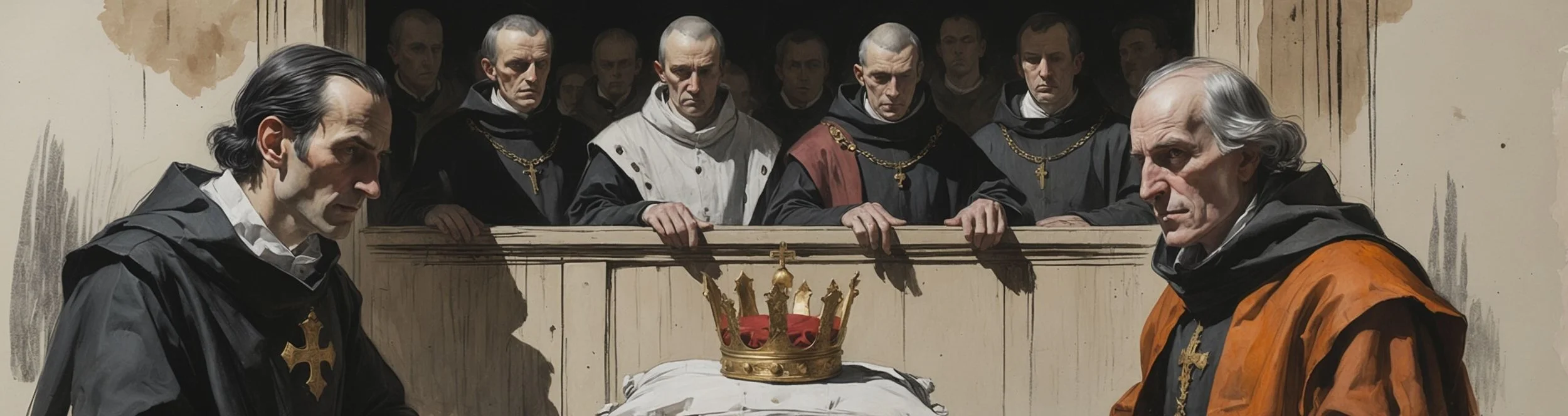
Richard III: Act 3, Scene 7 – Analysis
A coup staged as reluctance: two bishops, a prayer-book, and a crown accepted on the third asking.
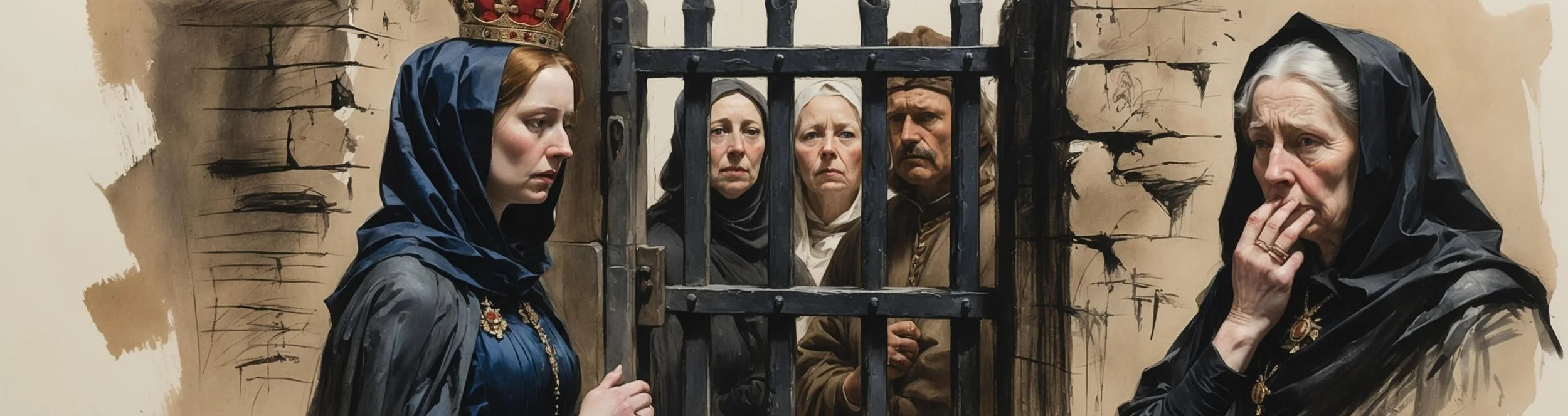
Richard III: Act 4, Scene 1 – Analysis
A locked door at the Tower, a gaoler's slip of the tongue, and Anne going to be crowned as if to her death.
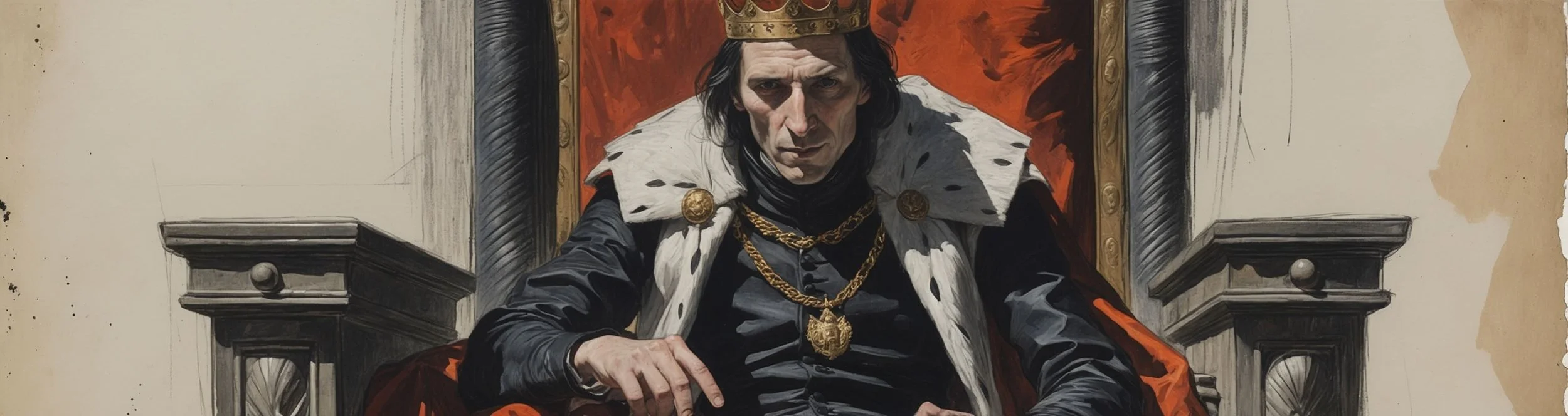
Richard III: Act 4, Scene 2 – Analysis
Crowned and cold: Richard orders the princes killed, disposes of Anne, and discards the man who made him king.
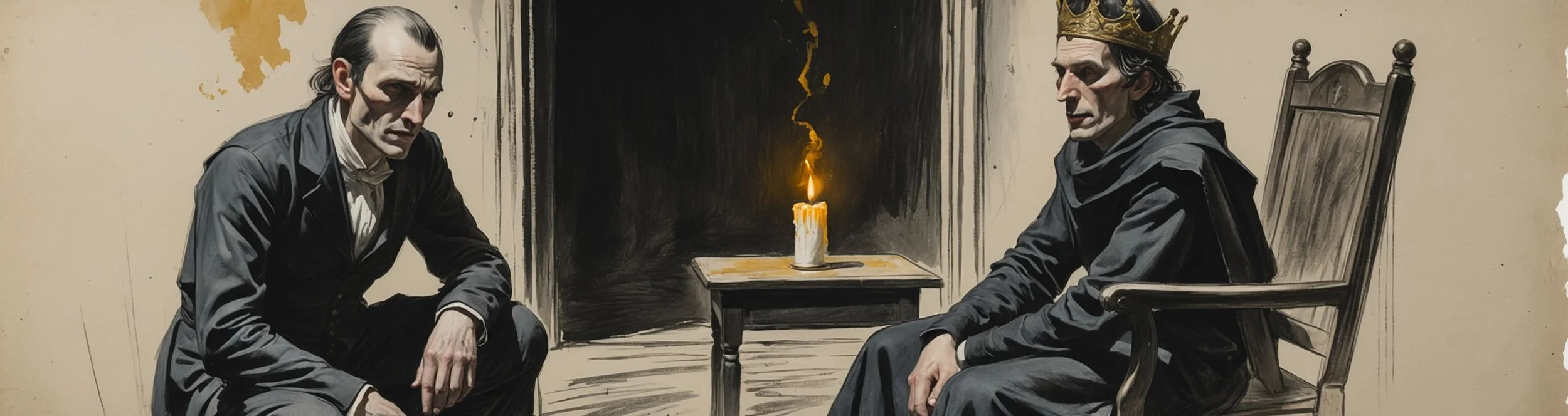
Richard III: Act 4, Scene 3 – Analysis
Four red roses on a stalk: the murder reported by the men who wept as they did it.
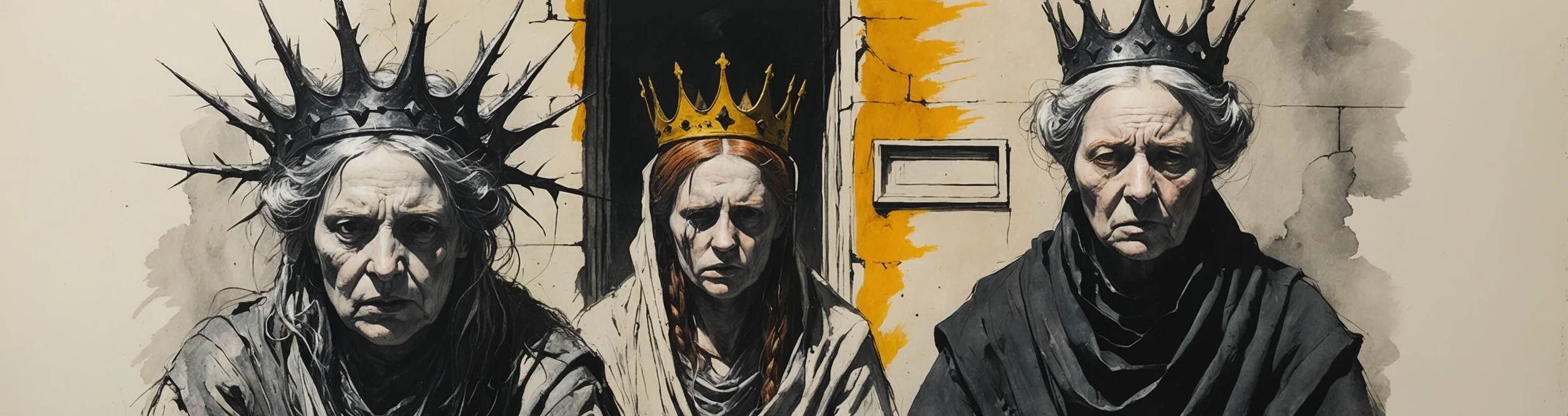
Richard III: Act 4, Scene 4 – Analysis
Three widows, a mother's curse, a second wooing that fails, and the news that Richmond has landed.
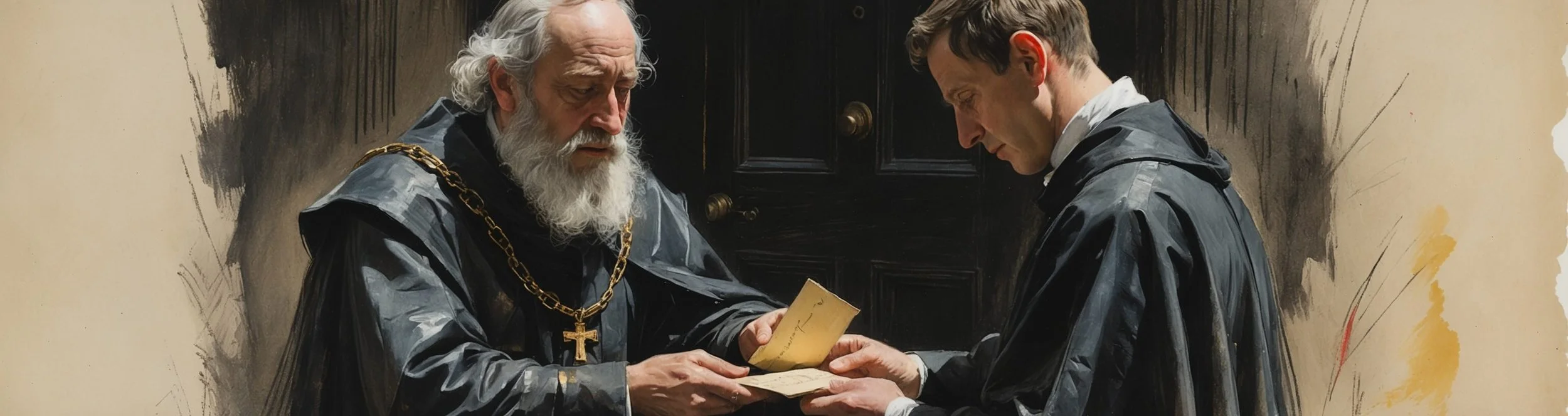
Richard III: Act 4, Scene 5 – Analysis
A hostage in the boar's sty and a marriage already agreed: the war is decided by message.
Richard III Scene Analysis – Frequently Asked Questions
Which Richard III scenes are analysed here?
Every scene in the play has its own guide – twenty-five in all, across five acts. Act 1 covers Scene 1 (the opening soliloquy and Clarence's arrest), Scene 2 (the wooing of Anne over Henry VI's coffin), Scene 3 (Margaret's curses) and Scene 4 (Clarence's dream and murder). Act 2 covers Scene 1 (King Edward's deathbed peace and the news of Clarence's death), Scene 2 (the lament for Edward and the plan to fetch the Prince), Scene 3 (three citizens read the signs) and Scene 4 (the Queen takes sanctuary). Act 3 covers Scene 1 (the Prince arrives in London and the princes are sent to the Tower), Scene 2 (Stanley's dream and Hastings' confidence), Scene 3 (Rivers, Grey and Vaughan executed at Pomfret), Scene 4 (the strawberries and Off with his head), Scene 5 (Hastings' head and the Lord Mayor), Scene 6 (the Scrivener) and Scene 7 (Richard accepts the crown between two bishops). Act 4 covers Scene 1 (the women turned away from the Tower and Anne summoned to be crowned), Scene 2 (the new king, Tyrrel hired, Buckingham refused), Scene 3 (Tyrrel reports the princes' murder), Scene 4 (the chorus of widows and the wooing of Elizabeth for her daughter) and Scene 5 (Stanley sends word to Richmond). Act 5 closes with Scene 1 (Buckingham's execution on All Souls' Day), Scene 2 (Richmond's march), Scene 3 (the ghosts at Bosworth), Scene 4 (A horse, a horse) and Scene 5 (Richard's death and the union of the roses).
What happens in the opening soliloquy, "Now is the winter of our discontent"?
Act 1, Scene 1 opens with Richard alone, telling the audience that the house of York has won – "Now is the winter of our discontent" – and that he has no place in the peace. He catalogues his own deformity, announces "I am determined to prove a villain", and reveals the plot already running: a planted prophecy that G will murder Edward's heirs, which the King has read as George, Duke of Clarence, and the audience knows is Gloucester. The guide follows the soliloquy's false logic (deformity as excuse, not cause), the double meanings in Richard's comfort to Clarence as he passes under guard, and the closing plan – Clarence, then Edward, then Anne – that serves as a table of contents for the next two acts. See Richard III Act 1, Scene 1 for the full analysis.
How does Richard win Lady Anne in Act 1, Scene 2?
Over the coffin of Henry VI, whom he killed, and within two hundred lines of Anne cursing his future wife – who turns out to be herself. The guide traces the mechanism: the line-for-line duel of wits that drags Anne from lament into quarrel, the argument that her beauty caused the murders, the tears, and the sword Richard hands her with his breast bared, which she cannot use. It holds open the readings of why she yields – exhaustion, isolation, fascination – and ends with Richard's own astonishment, "Was ever woman in this humour wooed", followed at once by "I’ll have her, but I will not keep her long". See Richard III Act 1, Scene 2 for the full analysis.
What are Margaret's curses, and do they come true?
Act 1, Scene 3 is the play's prophecy scene. Queen Margaret, Henry VI's widow – historically dead in France before these events – walks into a Yorkist court quarrel and curses everyone in it in order: Edward to die by surfeit, the Prince by violence, Elizabeth to outlive her glory, Rivers and Hastings to be cut off untimely, and Richard to suffer the worm of conscience and sleepless nights of devils. The guide checks each curse against the play (all are kept except Dorset's), explains Richard's trick of ending her curse with her own name, reads the "bottled spider" warning to Elizabeth, and shows why Buckingham – the one man exempted and warned instead – is the play's test of free will. It closes with Richard's soliloquy on his method: "And seem a saint, when most I play the devil". See Richard III Act 1, Scene 3 for the full analysis.
Where is Clarence's dream, and how does he die?
Act 1, Scene 4, in the Tower. Clarence wakes from a dream in which his brother Gloucester knocked him into the sea – "O Lord, methought what pain it was to drown" – and he sank past jewels lodged in dead men's skulls into a hell where Warwick and the murdered Prince Edward accused him of perjury. The guide reads the dream as prophecy Clarence forgets on waking, then follows the two hired murderers' prose debate about conscience ("O, in the Duke of Gloucester’s purse"), Clarence's failed defence of his life, and his refusal to believe that Richard sent them. It also answers the perennial question about the malmsey-butt – a story older than Shakespeare. See Richard III Act 1, Scene 4 for the full analysis.
What happens in the "Off with his head" scene?
Act 3, Scene 4: the council meets to fix the coronation, Hastings assures everyone that Richard's face shows his heart – "For by his face straight shall you know his heart" – and Richard leaves, returns, accuses the Queen and Mistress Shore of withering his arm by witchcraft, and asks what the plotters deserve. Hastings begins "If they have done this deed" and gets no further: "Talk’st thou to me of 'ifs'?" – "Off with his head". The guide covers the strawberries that send the Bishop of Ely out of the room, Hastings' recognition of Stanley's dream and Margaret's curse in his last minutes, and his farewell to "O momentary grace of mortal men". William Hazlitt, in Characters of Shakespear's Plays (1817), called Richard "equally impetuous and commanding", and this scene is the impetuous half at full speed. See Richard III Act 3, Scene 4 for the full analysis.
How does Richard become king in Act 3, Scene 7?
By being asked three times and refusing twice. Buckingham reports that the citizens would not cheer – "The citizens are mum" – so the two men stage a show at Baynard's Castle: Richard appears above between two bishops with a prayer-book, Buckingham and the Lord Mayor beg him to take the crown, he declines as unworthy, and on the third asking he accepts, on condition that everyone remembers he was forced. The guide explains Richard's instruction to "Play the maid’s part, still answer nay, and take it" – say no and take it – the case that Edward's children are illegitimate, what the citizens' silence tells us, and why this is the peak of Richard's career: everything after it is holding on. See Richard III Act 3, Scene 7 for the full analysis.
Which scene has the murder of the Princes in the Tower?
Two scenes. In Act 4, Scene 2 the new King asks Buckingham to kill the boys, Buckingham hesitates, and Richard hires Tyrrel through a page instead – then refuses Buckingham the earldom he was promised: "I am not in the giving vein today". In Act 4, Scene 3 Tyrrel reports that the deed is done – "The tyrannous and bloody act is done" – and that the two murderers wept as they smothered the children, "four red roses on a stalk". The guide asks why Shakespeare keeps the murder offstage and gives it to a hired man's second-hand account, why the killers weep when the King does not, and how Richard's position is already slipping as he resolves to become "a jolly thriving wooer" to his own niece. See Richard III Act 4, Scene 2 and Richard III Act 4, Scene 3 for the full analysis.
What happens in Act 4, Scene 4, the longest scene in the play?
Three widows sit on the ground and pool their griefs. Margaret returns to count her fulfilled curses and, asked by Elizabeth to "teach me how to curse", gives the play's lesson in it; the Duchess of York curses her son to his face; and Richard tries the Anne speech again, wooing Elizabeth for her daughter and losing every oath he swears – by his crown, by himself, by God – to a woman who has learned to weigh his words: "for this is no oath". Then the messengers come, one after another, with rebellion everywhere. The guide compares the two wooings, shows why Elizabeth's apparent surrender is nothing of the kind, and reads the scene as the point where Richard's language stops working. See Richard III Act 4, Scene 4 for the full analysis.
What happens on the night before Bosworth, and what does "O coward conscience" mean?
Act 5, Scene 3 sets the two tents side by side. Eleven ghosts – everyone Richard has killed, from Prince Edward to Buckingham – pass between them, telling Richard to "Despair and die" and Richmond to live and flourish. Richard wakes – "O coward conscience, how dost thou afflict me" – and argues with himself in broken half-lines, "Richard loves Richard, that is, I am I", the only time in the play his voice fails him. By morning he has decided that "Conscience is but a word that cowards use". The guide follows the ghosts in order, weighs whether Richard repents or shakes the dream off, sets the two orations to the armies side by side, and explains why Stanley's refusal to march decides the battle before it begins. Jan Kott, in Shakespeare Our Contemporary (1964), heard in Richmond only the next turn of the same machine – a reading the guide holds against the play's providential ending. See Richard III Act 5, Scene 3 for the full analysis.
Where is "A horse, a horse! My kingdom for a horse!", and how does Richard die?
Act 5, Scene 4, the shortest scene in the play: Catesby calls for rescue, Richard's horse is dead, and the King enters on foot with the line everyone knows – "A horse, a horse! My kingdom for a horse" – refuses to withdraw, and goes back into the battle to find Richmond, having already killed "six Richmonds in the field". The guide explains what the line means (a horse to fight on, not to flee) and asks whether Richard dies bravely. Act 5, Scene 5 gives the answer: Richmond kills him in single combat, without a death speech, and Stanley brings the crown – "The day is ours, the bloody dog is dead". Richmond's closing speech, "England hath long been mad and scarred herself", announces his marriage to Elizabeth of York and the union of the two houses, and the guide asks whether the ending convinces. See Richard III Act 5, Scene 4 and Richard III Act 5, Scene 5 for the full analysis.